In perfect juxtaposition with the ornate, candy pink façade of the 19th-century Teatro da Trindade that it faces, the Teatro B&B is a classical essay in black and white
It has the corner spot, curving softly and seductively from one street into the other, with tall windows running along the side, allowing passers-by full view of its large, sparkling, chandeliers. One door further along the street takes you up the stairs into the narrow, four-storey house – short on space and long on theatrical decor, with tiny, jewel-like rooms radiating off each floor. Offering serious value for money, its location is superb, perched right in the cobbled heart of Bairro Alto, with its historical squares and churches, new restaurants and traditional tascas.
The bed
Twenty rooms in varying sizes represent a selection of figures from the commedia dell’arte. With period-inspired interiors serving as a backdrop, talented set designer José Costa Reis – well known in the world of Portuguese theatre and a friend of the B&B’s owners – has placed a character centre stage in every room. Pasquariello to Columbina grace the white walls in stencilled silver silhouette, or are etched into the mirror of your bathroom, while the bed is surrounded by dramatic swags of stage curtain, columns or classical statues being serenaded by trumpet-bearing angels.
A good map of the area is offered, with suggestions of what to see divided between hip and classic. Should you need to enhance the possibilities, there’s also free Wi-Fi. Views from the bedrooms give on to streets, dipped in a pink hue on a Friday or Saturday night when the theatre is floodlit. The neighbouring building, with its 19th-century tiled façade featuring allegorical figures of science, agriculture, industry and commerce against a vivid yellow background, is so typical of Lisbon.
Teatro B&B’s elaborate and unusual interiorsThe breakfast
In the split-level café, breakfast is served from 7.30am until 11.30am every day, reopening from 3pm until midnight to serve drinks to guests and locals alike.
Breakfast is designed to be a good brunch for late risers with such Portuguese specialities as chicken empanadas (rather similar to a rissole) or bread layered with chorizo as well as a good selection of cereals, croissants and pastries. A huge Delta coffee machine provides anything from the typical bica – a short, black espresso – to cappuccino. The theatrical theme continues here with the same commedia dell’arte figures, masked and bejewelled, decorating the walls. Philippe Starck’s Louis Ghost chairs surround the mirrored tables, glittering under the heavy chandeliers.
The hosts
Business partners and friends, Henrique Gonçalves and Aristides Rocha Vieira own a series of coffee shops in the uninspiring commuter land across the Tagus river. They had long been on the lookout for a central point in Lisbon to develop as a B&B. Walking up Rua da Trindade one day and seeing the site for sale, the pair wasted no time in buying it. Getting their set designer friend to do the interiors was an inspired idea, as was the appointment of manager, Claudia, who gives excellent local tips.
The weekend
For an overview, hop on the famous No 28 yellow tram which stops just near the B&B, in beautiful Praca Luis de Camoes, named after the 16th-century poet. It rattles its way up and, alarmingly fast, down Lisbon’s hills but will give you a glimpse of many of the city’s best monuments, including the cathedral and Castelo de Sao Jorge. In the evening, stop for Fado, the mournful but melodious national music which still echoes in the cobbled streets of Alfama. The Clube de Fado is considered the best (00 351 218 852 704; clube-de-fado.com).
The rooftops of LisbonThe pit-stop
For a culinary and visual introduction to all things Portuguese, try the oldest brewery in the country, Cervejaria Trindade (00 351 213 423 506; cervejariatrindade.pt) at Rua Nova da Trindade 20. Surrounded by walls covered in ancient azulejo tiles dating from the 19th century and under vaulted ceilings you can dine on the national dish of bacalhau (dried and salted cod) with a range of beers (no longer made on the premises) for €12.50 (£10).
The essentials
Teatro B&B, Rua da Trindade 36, Lisbon, Portugal (00 351 213 472 024; teatrobb.com). Double rooms start at €79 (£65) including breakfast.
It is great if your bathroom interior has a large window. You can add modern bathroom light fixtures to illuminate specific zones, like a shower area and a bathroom mirror, with lights and save on general lighting. If your bathroom does not have a window, then you need to create effective general lighting design.
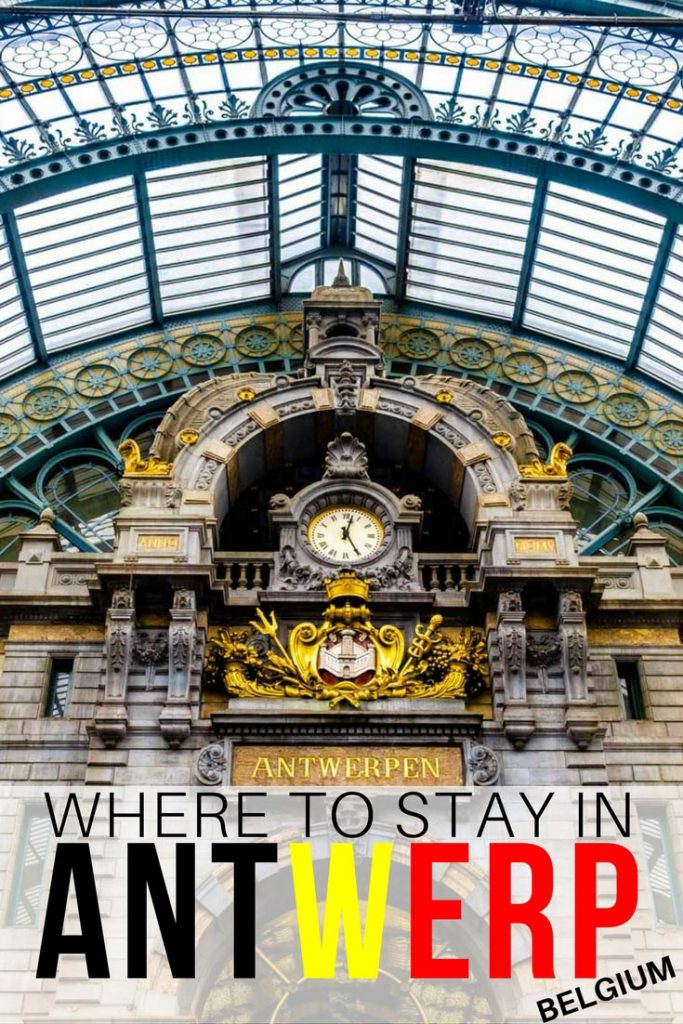
Read article : Where to Stay in Antwerp: The Best Hotels and Neighborhoods
To help you out with the decision where to stay in Antwerp, we’ve put together a list of neigbourhoods and the best hotels in the city.
Antwerp is often left out when planning a trip to Belgium. Touristy cities like Brussels or Bruges easily obscure trendy towns of Antwerp or recently re-discovered Ghent.
However, from what we’ve experienced in Antwerp, it’s a vibrant, extraordinarily creative city full of history, so you’re doing yourself a favor by staying here longer, and exploring it for more than a day away from Brussels.
This is one of the best neighborhoods to stay in Antwerp if your goal is to catch up with sightseeing. The old town is full of museums, lively squares, and a number of cafes, restaurants, and beautifully renovated bed & breakfasts in historical houses.
The area is very walkable, and you can easily access the riverbank. It’s also safe and quiet at night.
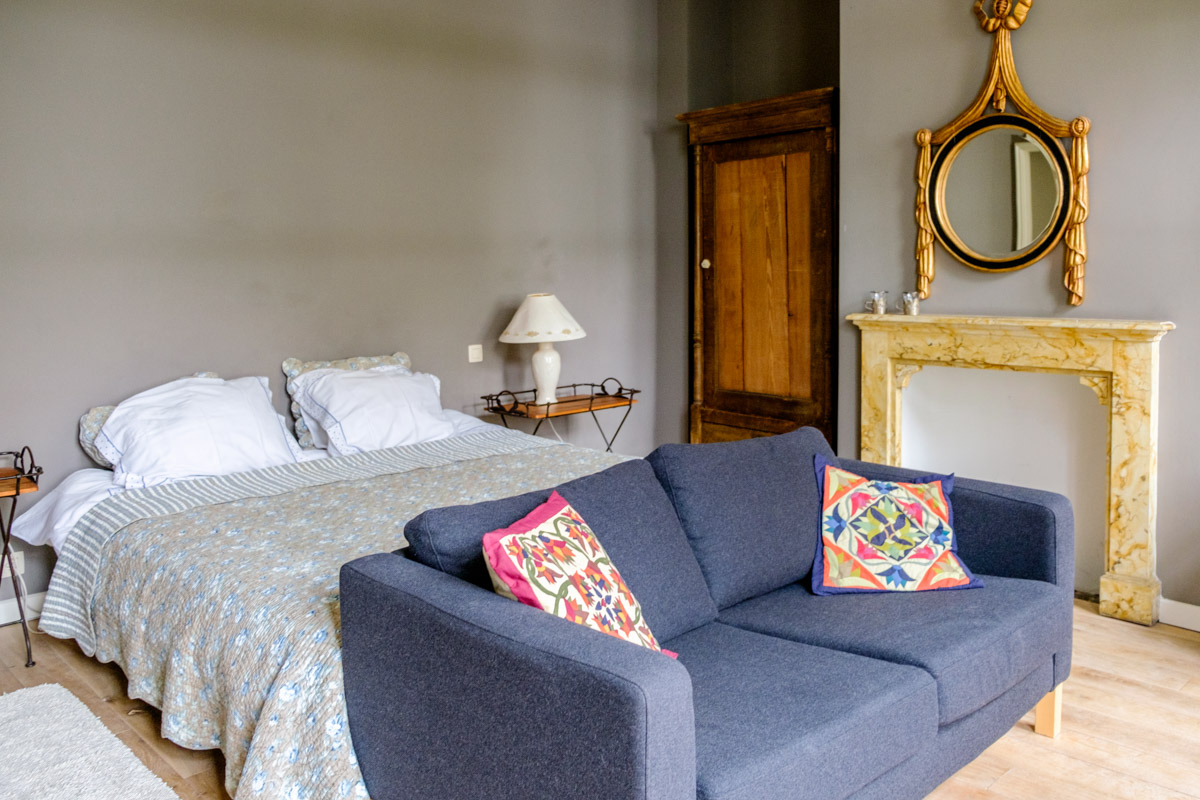
We stayed in this family-run boutique hotel for three nights, only a minute walk from the main square Grote Markt.
The luxurious interior with elegant decoration made us feel comfortable, as well as the immense space in the bedroom and bathroom. Hot tub, solid wooden writing table and sofa were also part of the room. Our room faced a small courtyard and a garden, so it was absolutely quiet during the whole day.
The breakfast is served in the dining room furnished with antique plates and furniture. If you’re looking for some insider tips on the city, ask the owners. They are extremely helpful, and knowledgeable, since Carl has worked at one of Antwerp’s museums. Check the latest price.
Luxury > Hotel ‘T Sandt Spotless, spacious rooms with an incredibly homey touch. The suites and rooms are bright thanks to big windows. Excellent location near the Grote Markt, good breakfast included. Check the latest price.
Mid-range > Aplace Antwerp City Flats & Suites Very tastefully decorated rooms and apartments in vintage style with modern elements. Apartments also feature a fully equipped kitchen. Pets allowed. Check the latest price.
Budget > Kathedraallogies Drie Koningen Unusual and affordable bed & breakfast in the historical center of Antwerp. You can choose from rooms with shared or private bathrooms. The property is a renovated building from the 16th century. Check the latest price.
Het Zuid is well connected to the city center and train station by public transport. We stayed here for a few nights and loved it here for its laid back vibes and a running path along the river.
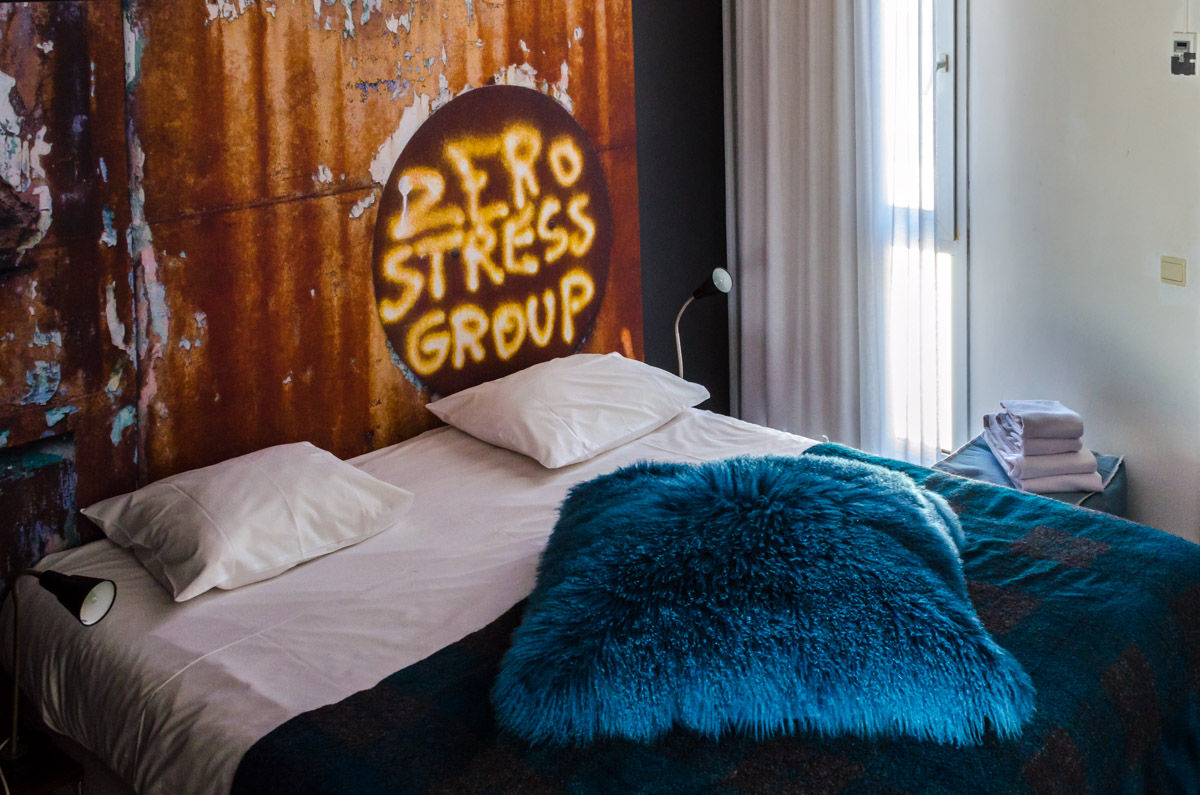
In case you prefer cooking your own food and are hoping for some privacy, The Soul would be the best place to stay in Het Zuid. Modern studio with vintage interior offers an equipped kitchenette with a dining corner and comfy sofa, (which we found great after walking the city all day).
The apartment is located right in the heart of the south district, surrounded by many cafes and restaurants. By the way, you can grab a coffee, breakfast or lunch at the atmospheric Soul Cafe. In case you decide to cook, there is a big grocery shop within 5 minutes walking.
Our studio was clean, with a separated bedroom, bright seating area with a dining table and kitchenware, and a private bathroom. The place is also run by welcoming and easygoing owners. Check the latest price.
Luxury > The Glorious Inn In case you’re wishing for some extraordinary place to stay in Antwerp, check it out here. Thematically decorated rooms, classy furniture, and a very quiet location.
We stayed here only a night, but enjoyed the funky atmosphere of the room with a Sleeping Beauty theme. We won’t spoil the surprise, but the room was full of secret hints related to the fairy tale. You better come and check for yourself.
It featured a large and very comfy bed, a tea table with plenty of herbal choices. The highlight of the room was a bathroom with an enormous bathtub, candles, and high-quality toiletries.
Spoil yourself, and if you come during the week, make sure to have dinner in their restaurant downstairs. Check the latest price.
Mid-range > Maison Emile Stylish, modern, and clean rooms with a rich healthy breakfast. It features double and single bedrooms. Check the latest price.
Budget > Le Sud Very affordable and clean budget option with different types of rooms with shared or private bathrooms. Check the latest price.
The area near the Central Station is the oldest diamond center in Europe, and rumour has it they were playing around with diamonds long before the first traders in Hong Kong or New York.
Stay around on Friday or Saturday, and you’ll see the Jewish community walking to and from the synagogues here. Currently, more than 80% of the Jews in Antwerp are involved in the diamond trade.
There are more than 1500 companies involved in selling, cutting, and polishing diamonds in the city, and you can check out some of them on Pelkinstraat Street near the railway station, or in the boutique shops on the Appelmansstraat, Lange Herentalsestraat and Vestingstraat streets.
Always ask for the GIA (Gemological Institute of America) grading report when buying a gem. Read more about the history of Jews in Antwerp.
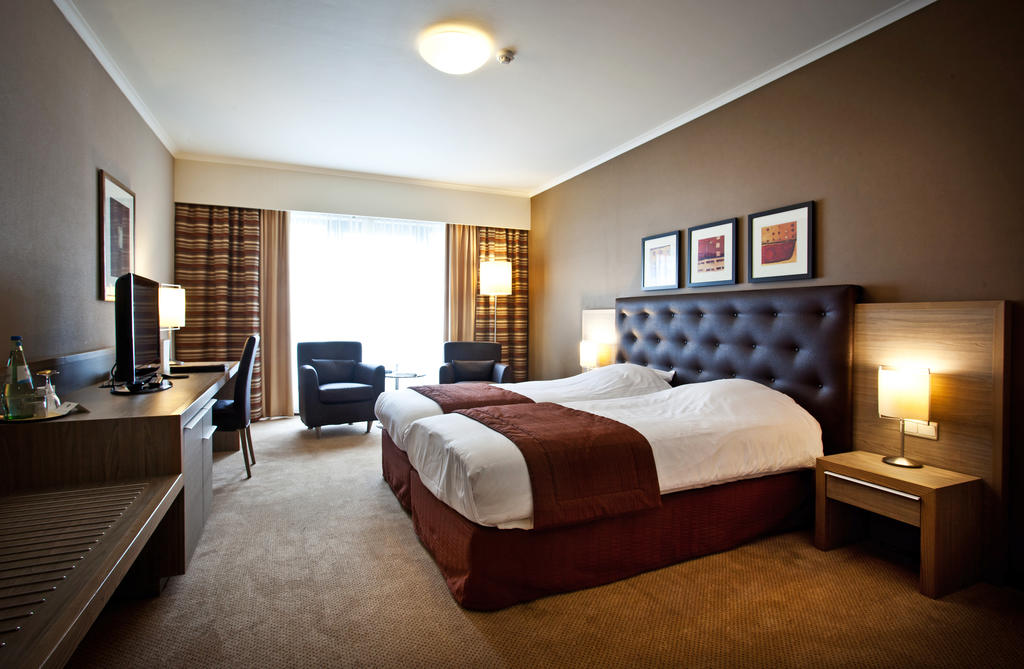
Located right in the center of the Diamond district, a couple of minutes walking from the Central Station. Luxurious 4-star hotel with an indoor pool, spacious rooms with writing desk. Suites available. Check the latest price.
Luxury > Park Inn by Radisson Antwerpen Spacious and super clean rooms, some of them with a great view. The hotel features a gym, and you can use sauna and swimming pool at the Health Club that is 100 m away. Check the latest price.
Mid-range > Queen A Antwerp Incredibly cosy rooms and common area, decorated with a great taste and sense for interior details. Very kind staff and excellent breakfast! Check the latest price.
Budget > Eden Hotel Simply decorated in pastel colors, and for a very reasonable price considering the proximity to the main railway station. Free tea/coffee station available. Check the latest price.
Rough and poor area in the past that has become a shopping area with lots of cafes now. Popular for its vintage vibes, great proximity to the centre and best Antwerp attractions. Safe and lively Southern neighbourhood in Antwerp.
Wonderful holiday home for family or groups of friends. It features three double beds, a seating area, washing machine, and a small kitchen. It’s centrally located, with many cafes and restaurants around. Check the latest price.
Luxury > Maison Nationale City Flats & Suites Ultra clean, beautiful, bright, and spacious rooms designed in black & white minimalistic style. Possibility to prepare your own food with the kitchenware. Check the latest price.
Mid-range > Kaai11 City Flats & Rooms A luxurious option for a mid-range budget. Situated near the Schelde River, most of the rooms have awesome views. Modern & elegant interior. Some suites come with a fully equipped kitchen. Check the latest price.
Budget > Antwerp Cental Youth Hostel Very cool place in a great location. Simple and clean with twin, quadruple, or dormitory rooms, all with private bathrooms. Buffet breakfast included. Check the latest price.
Het Eilandje means “Little Island,” and currently the area is boasting with loads of cafes, and some of the most distinct museums in Antwerp: MAS, which is a highlight of the Het Eilandje, and Red Line Star – a museum dedicated to the emigration waves that brought millions of European overseas, and the iconic Port House of Zaha Hadid.
It’s a cool area to chill out, enjoy an afternoon coffee, and make your artistic soul happy.
Original modern room with minimalistic décor. Clean and spacious rooms feature a shower or a bath. Very good breakfast included. Check the latest price.
Luxury > B&B Suites@FEEK This is something quite different. High ceilings, futuristic white design with a jacuzzi in the room. Great breakfast! Check the latest price.
Mid-range > Best Western Hotel Docklands Modern rooms of a 3-star hotel, some of them with harbour views and a balcony. Very friendly staff. Some rates include delicious breakfast. Check the latest price.
Budget The area doesn’t really offer budget options, but you can find a budget accommodation not far from Eilandje.
Condo Gardens Antwerp Simple, clean studios with a kitchen, great location for a very reasonable price. Check the latest price.
The area doesn’t have the best reputation, but only because of its multicultural nature, as it’s a home to 90 different nationalities.
On the other hand, if you’re looking for a bit of an “underground,” creative area with music festivals, quirky bars, and a Moroccan & Turkish minority, which means great food, head to the Borgerhout.
Very stylish and comfortable B&B. You can stay either in an apartment for 2-4 people with kitchenware, or in a double room. Located in a beautiful old mansion from 1907. Minimalistic design with soothing feeling.
Luxury There aren’t any top luxury hotels in the area, although the B&B mentioned above can be considered a high-end choice of accommodation in Borgerhout.
Mid-range > B&B Antwerp Large, impeccable rooms with lots of sunlight, very tastefully decorated. The quadruple room also features a seating area and facilities like a coffee machine, fridge, and microwave. Check the latest price.
Budget > Kif Kef City Apt. Incredibly charming apartment with minimalistic design. Fully equipped kitchen, sun terrace and bike rentals (for an extra charge) available. Check the latest price.
Located in the east of Antwerp, famous mostly for its huge green area: the Rieverenhof Park. It’s the area of townhouses, and it’s not popular among tourists as it lacks Antwerp’s cultural vibes. However, it’s a good option if you feel like staying out of the city center.
There’s great cycling infrastructure. For the best Antwerp attractions you’ll need to take a tram or a bike to the city center. Or… go local and visit some of the Deurne’s cultural events.
Elegant & artsy rooms, some of them with a seating area. The place has a lovely garden, and delicious breakfast included. Very pleasant hosts. Check the latest price.
Mid-range > Luxury Suites Arendshof Modern & simple design, located in a quiet area. The suites are in a two-floor house with a living room and a jacuzzi. Breakfast for an extra fee available. Check the latest price.
Residential, trendy, silent and … the pricey area of Antwerp with convenient public transport. It’s popular for its art nouveau architecture. Over 170 houses in the neighborhood have the status of protected monuments, and most of them were built in 1900’s.
Zurenborg is a bit off the beaten path, as it lacks the typical tourist attractions, but is easily accessed by a short tram ride from the centre. Very worth a visit even if you don’t book a hotel here.
Apart from exploring the special architecture, you can stop by for a coffee, a lunch, or have a pint in one of plenty of Zurenborg’s cafes, restaurants, and bars.
Wonderfully minimalistic rooms with white & red décor. Super clean. Breakfast for an extra fee available, and you can prepare your meals also in the common kitchen. Close to the restaurants.
Luxury There are no luxury options in the area.
Mid-range > Amaaj Simple, neat rooms with private bathrooms and a bathtub. Great relaxing area. Check the latest price.
Budget > Alias Youth Hostel A fantastic choice for budget travelers. Clean, simple, with dormitories or double bedrooms with shared or private bathrooms. Tram stops nearby. Check the latest price.
Make a trip to the southern neighbourhood and visit Middelheim Open Air Sculpture Museum
Hopefully this ultimate guide on where to stay in Antwerp helped you to decide which hotel to book, and what attractions you can see in each neighbourhood.
Have a blast in this incredibly vibrant city, and in case we missed any district you’d recommend staying in or cool things to do in Antwerp we haven’t included here, please, leave a comment below.
Join the FREE 7 day email course and you'll learn how to start your travel blog easily, how to monetize and grow your traffic and social media. Start now!
Most of us are not exclusively shooters of the world below the waterline. Whisk us off to some exotic destination, and we’ll snap our cameras out of their housings, and indulge in some topside photo adventures, as much as anyone. So when my recent trip aboard the MSY WAOW turned into an expedition in multiple types of photography, I was in my element.
To begin with, the enchanting ship itself was so photogenic, a photographer could be satisfied for days above water enjoying photographing her from every angle. The attention to detail made it a true luxury experience, with things like live orchids in the dining room, lovely art on the walls, and even wood and stone accents in the bathrooms. Meals were an event in culinary beauty that had me leaving the table to rush to my cabin to get my camera. And, of course, the diving in Komodo National Park is a journey in color and life—with wide-angle and macro opportunities galore. There wasn’t a moment during the trip I didn’t have my camera—or if I didn’t, wishing I had it.
A traditionally built phinisi-style sailing vessel, the WAOW is entirely constructed using beautiful—and seemingly almost indestructible—ironwood. The 850-ton vessel is just under 200 feet long, with a beam of 36 feet, and has three masts, making it one of the largest in Indonesia and giving divers the ultimate experience in spacious luxury. With 10 cabins and the possibility of 20 passengers (though there were only nine on my trip), the ship has a crew of 25 that makes every part of the voyage lavish and run seamlessly.
The WAOW is a photographer’s dream—every detail is picture-perfect
I was in a state of pure bliss as I lounged about the large sundeck, surrounded by comfortable pillows and towels, gazing off into the cobalt water. Or maybe it was from the massage I’d had—which were available throughout the trip. I found myself continuously wandering up to the bow of the vessel, taking the same photo with the boat in the middle and the gorgeous backdrop of the ocean and green, hilly islands of Komodo to the sides, ever-changing as we journeyed from Bali to Flores. It was tough to stop taking photos. We were blessed with sunny days throughout the trip, with cotton candy pink sunrises and sunsets, and the boom, masts, sails, and every coiled line all seemed worthy of an image.
The beauty of the ship was surpassed only by the excellent service provided on-board. My morning egg order was already remembered by the second day, and no matter what time of day you wandered around the charming ship, you were met with smiles and requests to see if you were okay or needed anything. The crew quickly made us feel at home on their ship—and a lovely home it was.
My cabin was spacious and comfortable, with a king size bed (that could be two singles if necessary), a big couch for relaxing and even an ample desk, which was great for post-dive photo editing. Port holes let in natural light and views of the ocean. The large bathroom area was decorated elegantly with a granite sink; stone, wood, and tile accents in the shower; and big fluffy towels. The rooms also have robes and slippers, flat-screen TVs connected to media servers with movies and music (though I didn’t even turn mine on once), and several lighting options to set the perfect mood.
The lovely WAOW under full sail
The comfortable and spacious cabins make you feel at home
The WAOW offers three different cabin types; mine was a deluxe cabin. On the main deck are two roomy superior cabins with semi-private sundeck areas. The upper deck has one stunning master suite with its own private lounge and sundeck area, massive bathroom, sofas, and more. I know this because the lovely couple staying there during my trip were kind enough to let me take a look. They commented that it was bigger than their apartment in Paris, and I nodded my head in agreement, as it was also larger than several apartments I’ve lived in as well. (On the last night of the trip, they threw a little cocktail party for everyone on their private sundeck, which really went to show how comfortable we all had become on-board.)
The dining room area also became a favorite spot of mine. With comfortable couch-like seating, plenty of table space, and lots of light, it was the perfect spot to work on photos or read a book when it was too windy to be on the sundeck. And then there was the food. Every meal was a foodie photographer’s dream. (I’m really not the “photograph-your-food” type of person, but WAOW turned me into one!) The variety of dining included elegant traditional Indonesian meals served on banana leaves, Western-style meals like pasta, and even an excellent sushi night. Beyond the mouthwatering cuisine, each meal was paired with carefully selected wines, and afterwards, a perfect cup of coffee to help you wake up from your sublime food coma.
With its spacious deck area, the WAOW makes it easy to get ready for diving. The crew takes care of all your dive gear, including changing tanks, bringing gear to the tenders, and rinsing it each night. Our wetsuits were laid out waiting for us before each dive, with the cruise director providing informative site briefings. Diving was done from three dive tenders, two of which were ridged fiberglass, making them very stable.
After the dives, our wetsuits were taken by the crew to rinse and hang up, and the two hot water showers and dry towels made us quickly forget the chilly wind. Attention to safety, in all aspects, was impeccable: I was pleasantly surprised that the crew provided Nautilus Lifelines free of charge to each diver in the unlikely event of a problem.
At Siaba Besar, a turtle finds a soft bed of coral to rest on
Diving is done in groups of up to four, and with our small group of passengers, there were no more than three of us to a dive guide. I can’t say enough about the dive guides and their experience in these waters. They were excellent at critter finding and made the sometimes more-challenging conditions seem easy and safe. At one point, in a moderately strong current, I was trying to take a photo and kept drifting past. The dive guide came over and held the back of my tank to help steady me. That’s what I call service!
I’ll admit that I’m usually weary of letting my camera out of my sight, but after a day I was confident in the crew’s care for the photo gear—I think they might have actually treated it even better than I do. Each camera had a separate carrying container, used to move it to and from the tenders, and cameras were rinsed in two different tanks after every dive. There is also a well-equipped camera room with lots of shelves, towels, and electrical power points, which was perfect for setting up gear, charging, and downloading photos.
Komodo has some of the most biodiverse waters on Earth—you never know what you might encounter, such as this cuttlefish
Looking at WAOW’s itineraries, I get the same feeling as when I see airline in-flight magazine routes: “I want to go there, and there, and there!” The WAOW doesn’t just visit popular Indonesian dive spots such as Komodo and Raja Ampat; it also journeys to some lesser-known and more-remote locations like the Forgotten Islands and the Banda Sea. Indeed, the boat traverses almost every corner of Indonesia, and I would like to sign up for them all.
The trip I took part in, romantically entitled “Dragons & Gods,” explored Komodo National Park, starting in Bali and ending in Flores. It wasn’t just a dive trip though; it felt like an expedition. Not only did we go diving on all the famous sites Komodo is known for, but we also went on land excursions looking for the infamous dragons and spent another evening hiking to the top of Gili Lawa Darat for a postcard-worthy sunset—especially since we looked down to the harbor to see the lovely WAOW accenting the photo perfectly. And who could forget being met by the crew on the beach afterwards—with sangria and appetizers—and being serenaded under a star-filled sky?
A corallimorph decorator crab: Night dives with the WAOW were just as exciting as the day dives
The diving around Komodo National Park is some of my favorite because it offers so much variety. You don’t want to miss a dive because each one can be drastically different than the next. Some of the dive sites are known for their current and the pelagics that show up, such as Manta Alley (we must have seen at least 40 mantas on one dive), while others, such as Torpedo Alley in Horseshoe Bay, are perfect muck-diving macro dives, with Coleman shrimp in fire urchins, nudibranchs, and the occasional octopus. Dive sites such as Batu Bolong attract massive fish schools, with sharks and eagle rays swimming by, making it impossible to choose what lens to shoot.
A UNESCO World Heritage Site sitting right in the middle of the Coral Triangle, Komodo National Park is about 200 nautical miles from Bali and in-between the islands of Sumbawa and Flores. It includes the three large islands of Komodo, Padar, and Rinca, as well as 26 smaller islands. It’s also one of the driest regions in the country, and the landscape is very different from the lush greenery you usually expect from Indonesia. While the park was primarily established for the protection of the Komodo dragon, the life in the water—no disrespect to the planet’s largest lizard—has a beauty on a whole other level.
The dive guides aboard the WAOW are masters at finding tiny critters like this juvenile frogfish—about the size of a thumbnail
A crab poses for a photo
Our trip began in Bali, where the boat has just finished its yearly dry dock for standard maintenance, and we sailed over 24 hours past Lombok and around Sumbawa for our first dive. Several white sand muck dives got us off to the right start with three frogfish, seahorses, and even a rare Halimeda ghost pipefish. We continued to move east, diving along the way and entering Komodo National Park. Due to a forecast of strong winds, it was decided that we go to southern Komodo early in the trip in case it was too windy to get there later.
Arriving at Manta Alley, at the southern tip of Komodo Island, we back-rolled off the tender and were met with water a bit chillier than we’d experienced so far. But our shivers were soon forgotten when a dozen mantas glided in and strobes began firing. After snapping dozens of photos, my guide motioned us to swim and we headed around the reef area. It really was like being in the middle of a manta highway: Mantas came directly towards us and every time I looked behind me there were mantas coming from behind us, too. We happily did three dives at this site, and I think I could have spent several days if they’d have let me.
The famed Manta Alley, on the south end of Komodo Island, is wholly deserving of its moniker
A school of yellowmask surgeonfish at Castle Rock
For our next stop, we moved to the southern part of Rinca Island, to the famous Horseshoe Bay. Water clarity wasn’t so great—which is common in the colder months—but the marine life was spectacular. On one dive, we came across dozens of fire urchins, home to Coleman shrimp and zebra crabs. Examining each one, I found two of the crabs and then hit the jackpot with a pair of Coleman shrimp. After taking a few shots, I noticed the smaller one was acting a little strange, and then I realized that it had just removed its exoskeleton—a most unusual sight to witness.
With the wind picking up, we headed north to the well-known sites of Castle Rock and Crystal Rock. Both underwater pinnacles are subject to strong currents and are teeming with life, both large and small. Big schools of yellowmask surgenfish, trevally, and batfish swarmed the pinnacles as sharks, turtles, and eagle rays swam by in the blue.
A Coleman shrimp after shedding its exoskeleton
The fabulously colored Nembrotha chamberlaini nudibranch
The next morning we ventured on shore to get a glimpse of the Komodo dragon. These ambush predators are at the top of the food chain on their islands, and their bite can deliver toxins that slowly kills their prey while the dragon waits patiently for its meal. We were treated to a walking tour by a local ranger (toting a stick with a V-shaped end to deal with any overzealous lizards, if necessary), and we saw five different dragons plus lots of crab-eating macaques. We were also warned of saltwater crocodiles and a dozen species of snake—including cobras, pythons, and vipers—and the boat looked better and better after a few hours on land.
After our reptilian excursion, we dived a site known as Shotgun, which is an incredibly fun dive between two islands. Their proximity causes the current to increase throughout the dive and “shotgun” you through a small channel in the reef. After we flew past the narrowest part, a manta was in the channel, and it stayed alongside us for several minutes as we used our reef hooks to cling on—fabulous! (We heard that at the same spot, two days later, some lucky divers encountered the extremely rare megamouth shark. Oh well, day late and a dollar short, I suppose, but definitely something to go back for!)
If you go night muck diving, you can only blame yourself for finding creepy critters like this!
A flamboyant cuttlefish shows off its exuberant colors
A longnose hawkfish with some unwanted interlopers
Quick Shooting Tips for Komodo
Bring every lens you have. In fact, bring more than one camera on every dive with you. I’m serious. The hardest decisions you will have to make on the WAOW is what lens to use (and maybe whether red or white wine with dinner).
Komodo is biodiversity overload, and when you’re shooting wide angle, you can almost guarantee you will see a nudibranch you’ve never encountered before. Or when you’re shooting macro, a megamouth shark might just swim by. At almost every dive site, you can’t go wrong with either, and no matter what you choose, there will be plenty to shoot.
Sometimes shooting conditions are difficult in Komodo. Visibility can vary with incoming and outgoing currents as well as the warm and cold currents that frequently change throughout the dive. Ask the cruise director and dive guides their recommendations, as they can usually predict current conditions.
If there’s a strong current, macro can be difficult. If there’s a dive site that often has strong current but the tides aren’t correct for a current dive, the large animals are less likely to show up, so shooting macro may be the best option.
Costasiella sp., otherwise known as the sheep nudi
A tiny juvenile filefish nosing around the muck
Throughout the trip, we did several night dives, which I highly recommend. A nice change from the current we usually experienced during the day, the night dives were in protected bays and made for great muck diving. As well as numerous species of flatworms and nudibranchs, we saw squid in the water column, flamboyant cuttlefish, and countless other weird and wonderful critters.
The WAOW also has kayaks and stand-up paddle boards for those looking for something else to do—not that there was much free time between the diving, the land expeditions, the on-board massage service, and just general chilling out around the boat and taking in all the beauty.
The twinkling eggs of the golden damselfish
A squid poses for a perfect portrait on a night dive
In Komodo, strong currents that change drastically during a dive are common and that can make the diving a bit challenging—as can taking photos in such conditions. But I was constantly impressed by how easy the crew made it for us. Yes, the current was ripping, and we had some rough seas and wind, but you wouldn’t have even known the conditions weren’t easy and perfect by the way the crew handled everything.
Rest assured, you will be thoroughly spoiled aboard the WAOW. The indulgence of every aspect of the trip—from the exquisite ship, the incredible food, and the excellent crew, to some of the best diving Indonesia has to offer—will make you want to move right into your cabin for an extended trip and not leave until you’ve seen every corner of Indonesia. Can I sign up for that please?

 Teatro B&B’s elaborate and unusual interiorsThe breakfast
 Reuse content


 We stayed in this family-run boutique hotel for three nights, only a minute walk from the
 In case you prefer cooking your own food and are hoping for some privacy, The Soul would be the best place to stay in Het Zuid. Modern studio with vintage interior offers an equipped kitchenette with a dining corner and comfy sofa, (which we found great after walking the city all day).

 Located right in the center of the Diamond district, a couple of minutes walking from the Central Station. Luxurious 4-star hotel with an indoor pool, spacious rooms with writing desk. Suites available. Check the latest price.
 Wonderful holiday home for family or groups of friends. It features three double beds, a seating area, washing machine, and a small kitchen. It’s centrally located, with many cafes and restaurants around. Check the latest price.
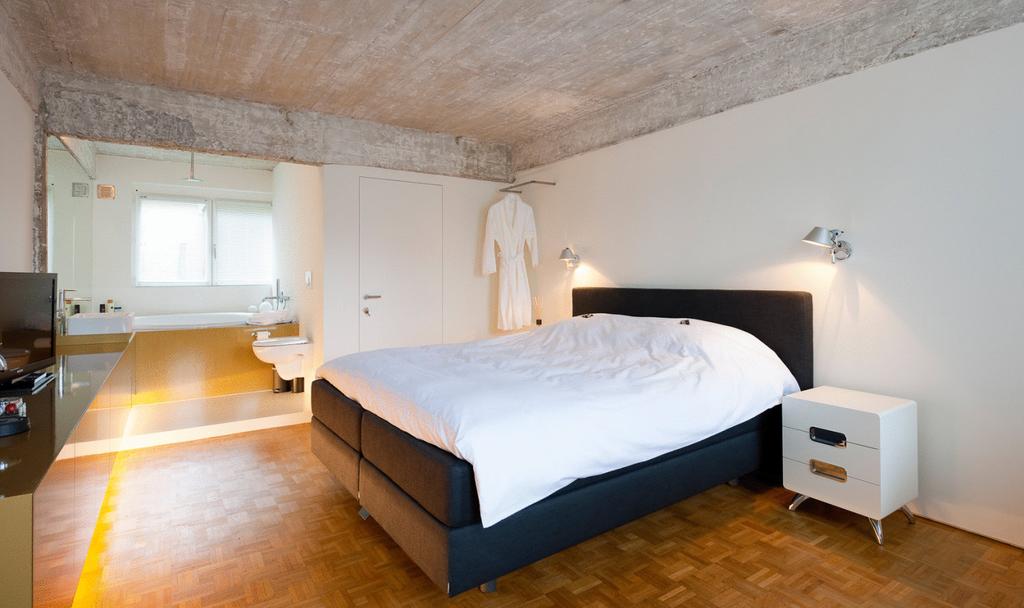 Original modern room with minimalistic décor. Clean and spacious rooms feature a shower or a bath. Very good breakfast included. Check the latest price.
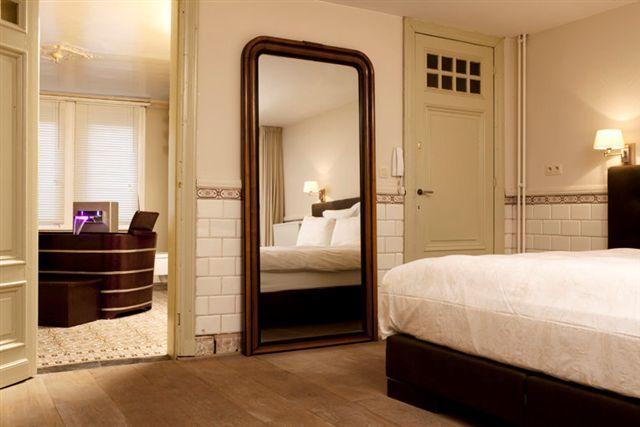
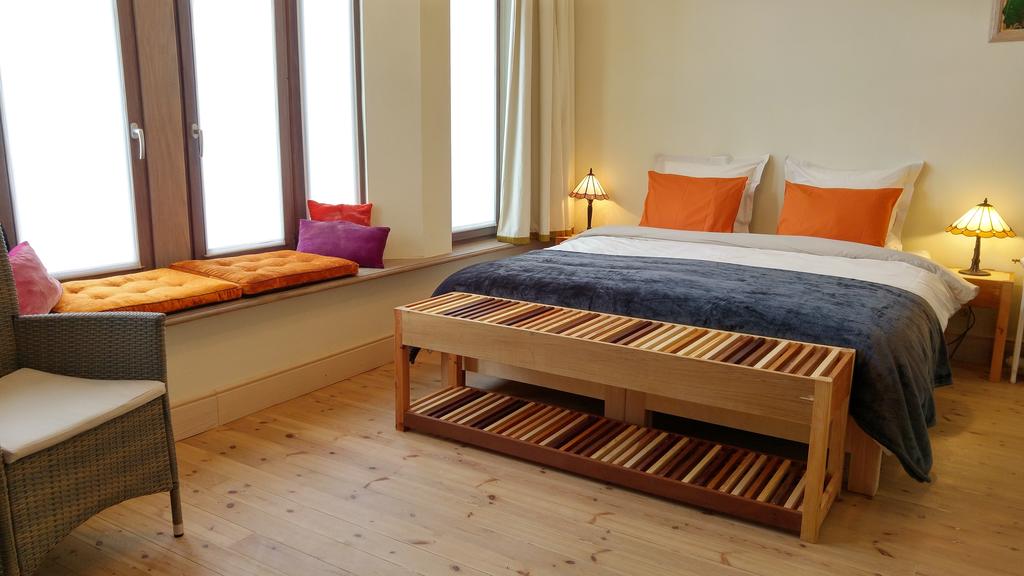 Elegant & artsy rooms, some of them with a seating area. The place has a lovely garden, and
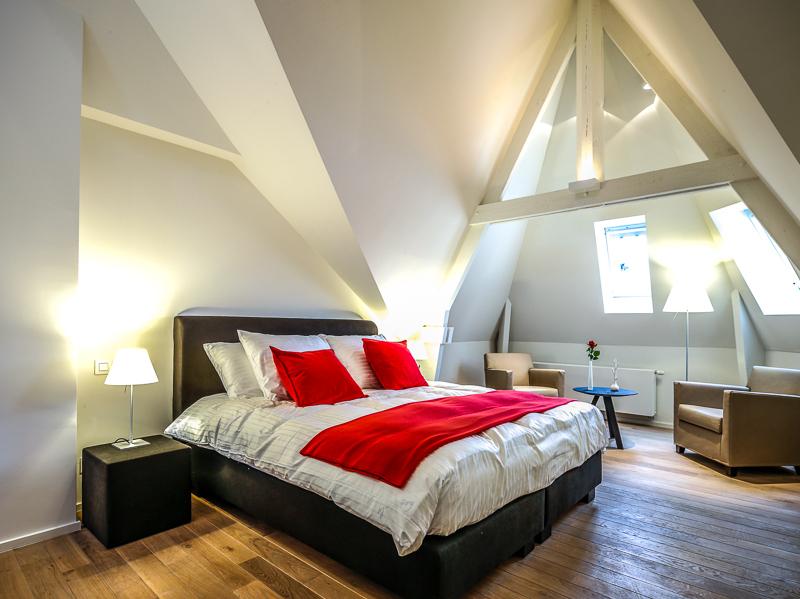 Wonderfully minimalistic rooms with white & red décor. Super clean. Breakfast for an extra fee available, and you can prepare your meals also in the common kitchen. Close to the restaurants.


