Showing posts sorted by relevance for query standing baths make. Sort by date Show all posts

Friday, March 2, 2018

Pics: Making a splash with bathroom decor

Read article : Pics: Making a splash with bathroom decor

Cape Town - There is no more personal a room than the bathroom, and homeowners can use this private space to embrace their own personal style.

At the centre of any domestic bathroom is the ever-important basin and tap. It is important to pair the two to ensure a unique style and statement bathroom feature.

Craig Taylor of Bathroom Butler says spending time and money on designing a bathroom space is becoming increasingly important.

“From its former role as a hidden, exclusively functional space, the bathroom has achieved the status of a proper room, with the same importance placed on decorating it as the rest of the home. As such, it has increasingly become the object of the careful attention of both homeowners and architects, who treat it as a privileged space that can assume different functions.

“The bathroom of today is treated as a central core of the home – a place to linger and relax. We spend an increasing amount of time in our bathrooms each day, whether it’s bathing the kids, getting ready for work or a night out, or washing away the day gone by. Putting some thought into the design of your bathroom can make a huge impact on your experience,” says Taylor.

Modern moods go organic

The use of chrome, brushed satin or polished satin in tap material has an enduring elegance, suited to most bathroom styles. But the shape and profile of the tap can offer a different look and feel.

Jasmin Kraneveldt of tile and sanitaryware supplier Bathroom Bizarre says the trend is towards organic bathroom design, rather than opulence and colour.

“As well as incorporating the constantly growing eco-friendly trend, bathrooms this year will also adopt more open space, as well as striking sanitary fittings and showers that stand as features in their own right. It is all about interesting designs, practically attractive layout and clean and unfussy lines.”

The contemporary school of design that embraces minimalism and modern brassware is no exception. Clean, simple lines offer neat, fresh appeal.

A mixer allows for easy use and cuts down on clutter around the tap. A paddle or lever handle, whether situated on the top of the spout or at the side of the tap, is an effective way to manage the water source.

The spout is likely to be elegant and functional, with angular lines for a more dramatic, modern look. Square tap profiles that tie in with accessories can also bring an up-to-date look and energy.

Waterfall spouts are popular for baths and basin as they deliver water in a quiet, splayed fashion, rather than the usual stream.

Today’s taps are also environment friendly.

“The modern bathroom is fresh, elegant, slick and unafraid to experiment with new trends for the realisation of a relaxed living environment. And it is increasingly drawing from our natural surrounds to achieve this,” says Taylor.

Chrome continues to dominate the material choice for taps. It can be brushed or lightly buffed for an attractive appearance.

Black, diamond-finish taps, with single tap heads or mixers, offer a distinct texture and hue, which is highly contemporary.

The basin itself should be clinical, with defined edges and placed on a cool, modern surface, such as granite or Corian. Open cabinetry and suspended vanities complete a modern look.

“Floating vanities and free-standing baths make for clean, chic and modern-looking bathrooms. Fittings such as floating vanities which attach directly on to the wall can help create a larger-looking and more flowing space in the bathroom area, as well as providing a clean and modern atmosphere,” says Kraneveldt.

Basins can be found in a variety of interesting materials, such as enamel and steel. Glass and quartz offer new-age fabrics that modernise the interior of bathrooms. Other materials suited to the modern bathroom are copper and ceramic with a metallic finish.

Bette, bathroom suppliers, uses all-natural raw materials, such as glass and titanium steel, for the manufacture of a unique product that is strong, scratch-resistant, impact-resistant and permanently retains its shape.

This combination of steel and enamel means the product will keep its brand-new look for many years.

Modern shapes include square and rectangular basins or free-standing pedestal basins in a chunky rounded finish.

Water-saving taps are another must-have item in the up-to-date bathroom.

“Different faucet manufacturers use different methods to ensure their taps are water efficient – namely aerators, flow restrictors, and cartridges built into the mixers that lower the flow rate,” says Kraneveldt.

Traditional trends

A stand-out characteristic of traditional styles is the fabric used. Standard brass is an economical option and can incorporate other materials, such as pot metal or plastic. DZR brass is high quality, with the perfect amount of zinc included in the make-up. It ensures no leaching and guarantees a longer-lasting product, ideal for bathroom taps, and the brass can be polished to a high sheen.

The inset basin is placed directly into a pre-designated cavity. The rim peeps over the edge of the surface top, which is often placed on a full piece of furniture.

The underslung basin sits below the surface, creating a concealed receptacle that shows off the surface top. The hidden sink also has hygiene advantages as the top can be easily cleaned.

A set-top basin can also boast clean, simple lines.

Bathroom Bizarre has recently introduced a new imported range of ultra-thin basins.

A pedestal sink can conform to tradition, says Kraneveldt. “Freestanding pedestal basins are a great way to make a strong visual statement in a bathroom, thanks to their distinctive aesthetic, and they are a great option for a bathroom where space is at a premium.”

She says vintage-inspired pedestal basins have made a huge comeback. “It’s a pure example of what goes around, comes around.”

Old-fashioned spouts boast chunky base elements with vintage detail around the spout extension which can include ornate curves with a kink and “chess piece-style” components. And the handles of the widespread three-hole configurations are often traditional side handles. The ever-popular spider handles are still very much in vogue.

Classic basins need to conform to simple, clean lines and styles of installation to stand the test of time. Round and oval shapes offer a restful feel, ideal to pair with established tap styles. Although most traditional basins are in classic white porcelain, there are eclectic options available, such as stone and pure granite, offering a rustic take.

How you mount taps makes all the difference

The placement of spouts and bath and basin mixers or tap handles can alter the style dramatically.

HOME looks at a few options:

The areas around a drop-in basin offer superb opportunities to surface-mount taps on either side of a spout.

The surface-mounted tap will make use of either a curved extension, with a sharp square edge that allows the spout to sit horizontally over the basin or bath or gently protrude over the lip of the basin. The lever is then situated either to the side of the spout or at the back, in the case of basins.

Wall-mounted spouts can feature a small curved end or a sharp 90 degree drop with a spout long enough to reach over the basin or bath

An elevated spout can be serviced by a wall mixer or paddle handle.

Wall spouts have a modern, up-to-date appeal and can be positioned to fill the basin directly from the wall.

Monoblock basin mixers feature all-in taps and spout placed on the surface as one element.

Samantha Hartshorne, Independent HOME

Pictures: Bathroom Bizarre and Bathroom Butler

Tuesday, May 9, 2017

The Herbal Medicated Bath – Naturopathic Doctor News and Review

Read article : The Herbal Medicated Bath – Naturopathic Doctor News and Review

Sussanna Czeranko, ND, BBE

Even three days after using the [pine needle] bandage, one can smell the rosin which is most agreeable. It is a theory of mine that when the system needs certain things, it can absorb them through the pores.

                                       Sebastian Kneipp, 1909, p.628

All herb baths are prepared in the same manner as the hayflower baths.

                                       Puderbach, 1927, p.282

Traces of turpentine are found in the urine after a hot bath containing the natural oil of pine which has entered the system through absorption or inhalation of vapor, or both.

                                       Elene, 1935, p.272

Baths of many types have been used for eons for purposes of health. The “bath” as a healthy and social dimension shows up often in the history and repertoire of Traditional Chinese Medicine, for example, and in many accounts of the splendid baths scattered throughout the Roman Empire (such as the “Theomoe” or warm baths of Diocletian), or the historical Vapor Baths of the Turks in Constantinople. However, the term “medicated bath” begins to appear as such and with more frequency in the 19th century. Cruchley’s 1834 history of London included details of bathing establishments throughout the city, such as Suffolk Place in Pall Mall, where one could find an “a very complete establishment of warm, cold, shower, vapour and general medicated baths” (Cruchley, 1834, p.169). T. S. Lambert’s Bathing and The Bath, published in 1845, was a delightful exegesis on “bathing and the bath, simple and medicated,” in which this early medical doctor differentiated between basic bathing and “medicated bathing.” John Bell, in his 1850 seminal work A Treatise on Baths, describes a bath using water other than fresh water or tap water. Bell writes, “Natural medicated baths are those furnished by the waters of mineral springs.” (Bell, 1850, p.615) The practice was long common that when mineral waters were not available, “medicated” baths were artificially created using minerals and salts to mimic Nature. Mineral bath was also a term used for baths that were enhanced with herbal decoctions such as pine extracts, equisetum, oat straw, hayflowers (see my May 2016 NDNR article, “The Head & Food Vapor Baths”), etc. Guy Hinsdale (1910) included herbs in the preparation of baths and other water applications, and called these “medicated” or “modified” baths. Not surprisingly, our early naturopathic pioneers were fully aware of this enhanced dimension of hydrotherapy.

Kneipp & Herbal Baths

Sebastian Kneipp is well recognized as a giant in the promotion of water cure. He was also profoundly interested in the use of plants, both for ingestion and to enhance his water applications. His combining of curative plants with water therapies was severely criticized by the extreme orthodox adherents of the hydrotherapy. (Platen, 1901, p.296) His 3 most used bath herbs included shave grass [Equisetum arvense], oat straw [Avena sativa] and hayflowers, or the dregs of a hay stack. Hayflowers was introduced by Kneipp as one of his celebrated herbal wonders, used for young children and the aged. Louisa Lust, following in the footsteps of Kneipp, also used herbs at her Butler Yungborn. She found that herbs used in baths were very beneficial for nervous people. She used “sage, hayflower, oak bark, pine needle, fenugreek, yarrow and others.” (Lust, 1911, p.231) After any of the herbal baths, Louisa Lust counsels the correct way to bring the water application to an end: “The [herbal] bath should always be wound up with a cool ablution, so as to close the pores and prevent cold.” (Lust, 1911, p.231)

John Bell’s mid-19th century work provides a recipe for an emollient bath using an herbal formula. He says, “An emollient bath is made by first taking althea, marshmallow, and elder flowers, or the pith of sassafras, and the bark of slippery elm, four pounds, and of flaxseed, half a pound; then tying them loosely in a cloth, and boiling the bag, add the decoction to the water of the bath.” (Bell, 1850, p.633)

To make Kneipp’s famed hayflower decoction, “a little [cloth] bag [is] filled with hay flowers, thrown into a pot of boiling water, and left there to infuse for at least fifteen minutes.” (Kneipp, 1891, p.38) The hayflower decoction was essentially left to steep until the desired dark coffee-like color was attained. Its property of opening up skin pores and promoting the elimination of morbid matter was much prized by Kneipp and others. Platen recounts Kneipp’s advice on the hayflower bath: “Kneipp advises taking the bath only once or twice a month and not to prolong a single bath beyond half an hour.” (Platen, 1901, p.558) Warm water applications always finished with cold water. Platen used alternating warm and cold water bathing. The herbal warm bath would last about 10 minutes and immediately followed by 5 or 6 seconds in a cold bath, and repeated 2 or 3 times. (Platen, 1901, p.558)

Warm Sitz Baths

Kneipp used herbal decoctions for warm water applications, and pure cold water was more than sufficient to achieve its therapeutic outcomes. In regards to a warm sitz bath, Kneipp asserts, “The warm sitz bath is never prepared of warm water alone, but according to my system is always mixed with some other ingredient.” (Kneipp, 1891, p.32) Equisetum was added to the sitz bath to treat “diseases of the bladder and kidneys, in gravel and stones complaints.” (Kneipp, 1891, p.33) Oat straw was used to treat gout and rheumatic conditions, and when Kneipp did not have access to these 2 herbs, he relied upon hayflowers. The sitz bath with hayflowers was a general treatment and was efficacious in cases of boils, constipation, hemorrhoids, and spasmodic pains such as colic. (Kneipp, 1891, p.33)

Foot Baths

Hayflower added to a bath such as a foot bath offered relief “in many foot complaints: open wounds, bruises, boils, putrefaction of the toes and suppuration of the nails.” (Kneipp, 1891, p.29)

Another one of Kneipp’s favorite herbs used in baths was oat straw. He describes the preparation: “The straw is boiled for half an hour, and then used as a foot bath from 20 to 30 minutes, at a temperature of from 88° to 91° F/31° to 33° C.” (Kneipp, 1891, p.29)

Equisetum was prepared much like the hayflowers – steeped for at least 15 minutes. The decoction used as a wash on “poisoned wounds… had a cleansing effect.” (Platen, 1901, p.472)

Gout

Friedrich E. Bilz, following in the footsteps of Sebastian Kneipp, used many of the same herbs in his herbal baths as his esteemed mentor. Bilz used a decoction made with pine needles for the treatment of gout. “Warm baths of 95° to 101° F/35° to 38° C with a decoction of pine sprigs or hayseed are also recommended.” (Bilz, 1898, p.780) For gout, the primary objective was to increase blood circulation, which hydrotherapy was excellent at producing. Bilz recommended the following gout protocol: “Three cold full washings a week, on first getting out of bed; or three knee gushes, two half baths of the upper body, and the warm hayflower shirt once, will probably command success.” (Bilz, 1898, p.780)

Making a strong decoction from the hayflowers, a compress would be soaked in it and applied while warm on “affected or swollen parts every two or three hours, [or] hayflower is scalded with hot water, enclosed in cloth and laid on the diseased part.” (Bilz, 1898, p.780)

The hydrotherapies were also complemented with herbal teas “of primroses, elder berries or elder blossoms several times a day. Gouty patients are also recommenced to continue for some time to drink a tea made of mouse ear [Hieracium pilosella].” (Bilz, 1898, p.780)

Pine Needle Baths

Kneipp also endorsed the use of pine needles for bathing. Used in a bath, the pine decoction provided benefits to the kidneys and bladder, and the skin epidermis was restored to health. (Kneipp, 1891, p.38) Kneipp also credited pine baths for strengthening the interior blood vessels, thereby making this “the proper bath for more aged people.” (Kneipp, 1897, p.65)

Kneipp favored using fresh pine needles for his water therapies. To make a pine needle bath, pine needles and branches were picked fresh or a distillation would be made. M. Platen provides instructions: “The pine needles are boiled for at least half an hour, and the decoction is then ready for use.” (Platen, 1901, p.472) The pine “extract, also called pine balsam is almost transparent, of a yellowish tinge at first, turning a greenish brown after standing some hours; has a pleasant, refreshing, bracing, resinous, aromatic smell.” (Platen, 1901, p.559) Compresses made from the decoction were strengthening and stimulating to the skin. (Platen, 1901, p.472)

In the July 1935 issue of Nature’s Path,another magazine published by Lust, the author of an article on the topic of pine needle oil, writes: “Pine oil is classified medicinally as a rubifacient, being slightly an irritant, and possesses feeble antiseptic properties. The irritant properties cause an unusual circulation of blood and thereby relieves congestions, eases pain, and quiets nervous tension.” (Elene, 1935, p.252, 270)   She warns against synthetic pine oils. “If the oil has been saponified or chemically combined with alkali, much of the effectiveness will have been lost. Artificial pine odors or scents have no therapeutic value in a bath.” (Elene, 1935, p.270)

John H. Kellogg placed the pine needle bath under the subheading of “Miscellaneous Baths” at the end of his voluminous book, Rational Hydrotherapy. Kellogg used pine needles to achieve the same reactions induced by the carbonic acid [or carbon dioxide] baths. The carbon dioxide bath, or the Nauheim bath, was popularized by many of the early hydrotherapists, such as Simon Baruch, Kellogg and Hinsdale. Carbon dioxide baths are still currently used extensively in European spas to treat heart disease, diabetes, rheumatic conditions, and obesity. Guy Hinsdale also used pine needle extract in combination with the effervescent carbon dioxide bath.

Kellogg states, “This [pine needle] bath produces powerful cutaneous stimulation. It is useful in chronic renal and cardiac disease, at a temperature of 92° to 94° F/33° to 34° C and may be used in the place of the effervescing baths.” (Kellogg, 1903, p.955) Among the benefits of the pine bath, Platen included “scrofula, gout, rheumatism, paralysis, debility, skin complaints, abdominal and sexual disorders.” (Platen, 1901, p.559) Pine baths improved the functions of the emunctories, such as the kidneys, gastrointestinal tract, and the skin.

Puderbach agreed with Platen that a 30-minute pine needle bath was beneficial for rheumatism, and suggested the “temperature should be high for rheumatic ailment (40° C/104° F).” (Puderbach, 1925, p.154) Puderbach also used the pine needle bath for nervous conditions at lower temperatures, of 28° C/82° F for 20 minutes. (Puderbach, 1925, p.154)

Elene recommended the pine bath for insomnia. A hot pine bath “taken before retiring will induce a quiet restful sleep without resorting to medicines or drugs.” (Elene, 1935, p.270, 272) She states, “When a person is fatigued and tired a cool pine bath has an exceptional bracing tonic effect.”

Hinsdale used pine needle essential oil in steam baths, and patients were steamed for 20 to 30 minutes in a steam cabinet, which caused profuse perspiration. (Hinsdale, 1910, p.309) After the steam bath, patients were massaged. Hinsdale also used pine needle extract in a medicated bath using 2 ounces of the extract to a 40-gallon bath. (Hinsdale, 1910, p.309)

  1. Puderbach in 1925 wrote The Massage Operator, which was published by Benedict Lust. Puderbach was the director of the Brooklyn Massage Training School. His book was essentially a physical therapy manual. Every conceivable physical therapy was outlined in his book. Throughout the years of Benedict Lust’s journals, numerous ads appeared with pine constituents for the pine bath. Puderbach alludes to one of these products – Novopin – which was a pine salt. Instructions for a bath using this salt: “For a tub bath take a full tube of this salt. The temperature of the bath should be 28° to 30° C/ 82° to 86° F. The bath should last 20 to 30 minutes.” (Puderbach, 1925, p.154) Another method that Puderbach suggests for taking the pine bath: “For a tub bath take a large spoonful of pine needle extract, dissolve in a pail of boiling water, and pour this solution into the prepared bath, or take one or two spoonfuls of pine oil, dissolve this in 100 grams pure alcohol and add to the bath.” (Puderbach, 1925, p.154)

Pine needle baths could irritate the skin, thus Puderbach advised that those patients experiencing itching of skin be removed from the bath immediately and given a shower. A rice powder was applied to the itching areas. (Puderbach, 1925, p.154)

A Valuable Legacy

These remarkable Naturopaths and their predecessors have left us a superb legacy of treatment protocols and success stories so valuable for patients. In our era of polypharma and a compromised food supply and distribution system, these wonderful natural approaches to healing are timeless. Kneipp, Kellogg, Bilz, Elene, Hinsdale, Puderbach and other giants have left us with outstanding tools. All we need do is use them.


Czeranko_Headshot_2014Sussanna Czeranko ND, BBE, incorporates “nature-cure” approaches to primary care by including balneotherapy, breathing therapy, and nutrition into her naturopathic practice. Dr Czeranko is a faculty member working as the Rare Books curator at NCNM and is currently compiling a 12-volume series based upon Benedict Lust’s journals, published early in the last century. Her published books include: Origins of Naturopathic Medicine; Philosophy of Naturopathic Medicine; Dietetics of Naturopathic Medicine; Principles of Naturopathic Medicine; Vaccination and Naturopathic Medicine; and Physical Culture in Naturopathic Medicine. Dr Czeranko is the founder of the Breathing Academy, a training institute for naturopaths to incorporate a scientific model of breathing therapy called Buteyko into their practice. She is also a founding board member of the International Congress of Naturopathic Medicine and a member of the International Society of Medical Hydrology.

References

Bell, J. (1850). A Treatise on Baths. Philadelphia, PA: Barrington and Haswell, pp. 658.

Bilz, F. E. (1898). The Natural Method of Healing. Leipzig, Germany: F. E. Bilz Publishing, pp. 2065.

Cruchley, G. F.(1834). Cruchley’s Picture of London. 2nd Ed. London, England: G. F. Cruchley Publishers.

Elene. (1935). The soothing pines. Nature’s Path. New York, NY: Benedict Lust Publishing, XXXX (7), 252, 270, 272.

Hinsdale, G. (1910). Hydrotherapy.Philadelphia, PA: W. B. Saunders Company Publishing, pp. 466.

Kellogg, J. H. (1903). Rational Hydrotherapy.Philadelphia, PA: F. A. Davis Company Publishers, pp. 1193.

Kneipp, S. (1891). My Water Cure.London, England: William Blackwood and Sons Ltd, pp. 272.

Kneipp, S. (1897). My Water Cure.Authorized American Edition translated from the 118th German Edition. Kempten, Bavaria: Jos Koesel Publisher, pp. 393.

Kneipp, S. (1909). Bandages and compresses. The Naturopath and Herald of Health,XIV (10), 624-632.

Lambert, T. S. (1845). Bathing and the Bath, Simple and Medicated: Its History, Effect and Mode of Application. Troy, New York: J. C. Kneeland Press.

Lust, L. (1911). Water cure, water applications. The Naturopath and Herald of Health,XXI (4), 231, 233.

Platen, M. (1901). The New Curative Treatment of Disease. London, England: Bong & Co, pp. 1579.

Puderbach, M. (1901). The Massage Operator. Butler, NJ: Dr. Benedict Lust Publishing, pp. 180.

Puderbach, P. (1927). Medicinal baths and their preparation. Naturopath,XXXII (5), 243-246.

Tuesday, March 28, 2017

Floor Standing Bath Shower Mixer Chrome Modern Solid Brass • £129.95

Read article : Floor Standing Bath Shower Mixer Chrome Modern Solid Brass • £129.95

See Details on eBay

£129.95 Buy It Now 21d, FREE Shipping, 30-Day Returns

Seller: betterbathrooms_outlet (81,181) 98.8% Top-Rated Plus, Location: Leigh, Ships to: GB, Item: 291985767848Condition: New, Type: Bath Taps, MPN: Does Not Apply, Tap Type: Knobs, Cross Head, Style: Traditional, Sub-Type: Mixer Tap, Mounting: Freestanding, Brand: Better Bathrooms Outlet, Finish: Chrome, Unit Type: Unit, Unit Quantity: 1, Features: Tested and Certified to WRAS: Yes, Country/Region of Manufacture: Unknown, Height (mm): 1027, Material: Brass, Room: Bathroom, Projection (mm): 165, Weight (kg): 4.8, Width (mm): 362,Details: UK Customer Service & Payment Hotline 01942 369 826 Mon-Fri 8am-8pm Sat 9am-5pm Sun 10am-4pm --> SALE Best Sellers Bathroom Suites Baths Shower Enclosures Toilets Basins Taps Furniture Showers Shower Systems Accessories Assisted Living Flooring Heating Lighting Mirrors Plumbing Stone Care Tiles Wastes & Plugs Spares Other Categories Basins Baths Furniture Showers Shower Systems Shower Enclosures Pivot & Hinged Quadrant Walk In Bi Fold Sliding Door Bathroom Suites Taps Tap Packs Tap Range Toilets Assisted Living Accessories Plumbing Flooring Heating Lighting Mirrors Spares / Other Stone Care Tiles Underfloor Heating Wastes & Plugs Wall Hung Bathroom Suites Back to Wall Suites Furniture Bathroom Suites Designer Bathroom Suites 2 Piece Toilet & Basin Sets Shower Cubicle Suites Cloakroom Suites Freestanding Bath Suites Straight Bath Suites Complete Suites 2 Piece Suites With Taps Bathroom Furniture Suites Traditional Toilet & Basin Set Shower Bath Suites Complete Bathroom Suites Modern Toilet & Basin Sets Towel Rails Towel Rings Toilet Brushes and Holders Soap Dish Holders Accessory Packs Robe Hooks Other Accessories Tumbler and Holders Toilet Paper Holders Natural Stone Tiles Wall Tiles Tile Accessories & Tools Floor Tiles Ceramic Tiles Adhesives Grouts Bonding Mosaic Tiles Border Tiles Latest Products Cascading Waterfall Modern Solid Brass Chrome Extended Basin Mono Sink Mixer Tap £84.95£135.95 View item Radiator Valves Chrome Angled Towel Rail Twist Valve Central Heating Wall Floor £19.95£31.95 View item --> Floor Standing Bath Shower Mixer Chrome Modern Solid Brass £129.95 Was: £207.95 Kent Floor Standing Bath Shower MixerAn ideal tap to be paired with a free-standing bath, this Kent Floor Standing Bath Shower Mixer is sure to make a statement in your bathroom. With elegant style, this tap features subtle ceramic detailing and cross top taps, making it a pleasure to use. - Tested and Certified to WRAS: Yes - Weight (kg): 4.8 - Width (mm): 362 - Height (mm): 1027 - Finish: Chrome - Projection (mm): 165 - Product Detail: Freestanding Taps - Product Style: Traditional - Please Note: All sizes are approximate and should be used for guidance only. Shop With Us 14 Day Money Back Guarantee 365 Day Exchange Policy Award Winning Company Customer Reviews Finance Options Available Flexible Delivery Options Free Click & Collect Price Promise Guaranteed Showrooms Nationwide About Better Bathrooms About Us Better Careers Inspirational Blog TRADE CUSTOMERS Find a Tradesman Trade Account Login Trade Loyalty Scheme How Can We Help? Account Login Track My Order Delivery Information Refund Information Returns Information Help With Your Product FAQ's Contact Us -->

 Price - PicClick Insights - Price  Seller - Over 81,181 items sold. 1.2% negative feedback. Top-Rated Plus! Top-Rated Seller, 30-day return policy, ships in 1 business day with tracking. PicClick Insights - Seller Over 81,181 items sold. 1.2% negative feedback. Top-Rated Plus! Top-Rated Seller, 30-day return policy, ships in 1 business day with tracking. Recent Feedback

Tuesday, March 21, 2017

10 of the best freestanding baths

Read article : 10 of the best freestanding baths

Freestanding baths can work to create a stunning focal point for your bathroom while also adding a touch of elegance and personality.

They can often be costly though so, before you invest in a new stylish tub here are some things you should give some thought to.

Weight

This shouldn't come as a surprise to anyone, but bathtubs are heavy - especially freestanding ones - and they'll only get heavier once you add a tub full of water and your body to the equation.

Bathroom
Looks great, but can your home handle the weight of a freestanding bathtub?

Before you purchase your dream freestanding tub (and we've got some lovely examples below) make sure your home can physically withstand the pressure of it all, unless you want to cause some seriously structural damage to your home.

Location

Where you position your tub can make all the difference between a stylish and relaxing bathroom, and one that looks horribly cramped. Obviously, if you have a larger bathroom this won't be as much as a problem, but if your bathroom is on the smaller side of things this will be something you'll have to put some thought into.

Bath
Think about where you're going to place your new bathtubCredit: R Streeter

Consider placing your bathtub somewhere with enough space on either side to stack your toiletries (soaps, shampoos, conditioner, etc) and maybe even a laundry basket. This will make sure you've got enough 'wiggle room' to stop your bathroom from looking a little too squashed together.

For those with smaller bathrooms, opt for a slipper bath model as these tend to fit neatly into smaller rooms and help to give the illusion of space.

Style

Freestanding bathtubs act as a statement piece in any room, but what kind of statement you make all depends on the style you go for.

Bath
What sort of style are you looking for?Credit: Chris Terry

Decide whether you want your bathroom to have a contemporary or traditional look. If you're looking for something modern you might want to go with a tub with a trendy metallic finish or a bespoke paint job to match the room. For a traditional look, you can never go wrong with a classic slipper bath.

Here are some of our favourite freestanding tubs to get you started...

Coniston

£2,925.00, C.P. Hart

Coniston

The deep curves of this bath are designed to mirror those of the U-shaped valley containing Coniston Water in Cumbria.

If you ask me, it looks more like a flying saucer, but it holds an impressive amount of water, ensuring you will want to wallow in it for hours. You’ll need to have a big enough bathroom though, and a chunky budget, but it does come in matte or gloss white.

Buy now

Henley 1550

£299, Soakology

Henley 1550

The name “slipper bath” sounds slightly creepy, but these high-backed, shorter length baths fit into small spaces and tend to be extremely comfortable. This one is made of acrylic, meaning scratches can easily be filled or repaired. It comes with chrome aluminium feet and is a bargain at just under £300.

Buy now

Astonian Brunel

£2,966.02, Aston Matthews

Astonian Brunel

Built for those who require an industrial-sized bath, this cast iron tank takes its inspiration from 19th century engineer Isambard Kingdom Brunel. At just under £3000 it’s not cheap but it’s built to give you a lifetime of total immersion. And if you go off grey, you can always paint it a different colour.

Buy now

The Tamar

from £2,925.00, Drummonds

The Tamar

If a bath with shapely legs isn’t your thing, the Tamar, with its elegant skirt, might suit. It is compact, stylish and comes in a variety of finishes. And being double ended, you can soak away for hours with a book, a glass of wine or – as the manufacturer points out – with company.

Buy now

Salisbury Slipper

£629, Bathstore

Salisbury Slipper

This neat bath (it’s only 1520mm) will add interest and class to a meanly-proportioned bathroom. The raised "slipper" end will support your shoulders and back to give a relaxing, if slightly upright, bathing experience. I like the contrast of black feet on white bath, but you can also order it with white feet.

Buy now

Moo

£11,916.48, C.P. Hart

Moo  

A distinctly bovine bath made in Belgium made from Compolight and covered in imitation cow hyde – water resistant, of course. Probably de trop for a poky terrace house but if you own a chalet, or converted cattle shed, this is the bath for you.

Buy now

Napoli

POR, Victoria + Albert Baths

Napoli

The egg-shaped Napoli offers “rimless” bathing, which I’m assured is just as comfortable as the roll-top variety. It is a super-minimalist, one piece casting of rare volcanic limestone and resin with a high gloss finish and an exterior that can be painted.

Buy now

Topaz

£499, Soakology

Topaz

Despite resembling an ice cream tub, this bath is the epitome of urban cool. It is so deep that you cannot help but sink into a truly luxurious soak. This bath is made of acrylic, so the water should stay warm for ages and has a refreshing £499 price tag.

Buy now

Marseille

£3,095.00, Cast Iron Bath

Marseille

Baths don’t get more aesthetic than this classical-shaped copper bateau. It is finished in tin, using 18th century techniques, giving it a hip, raw beauty and has curving ends to support your head and shoulders. At just over £3000 it’s not cheap, but it will undoubtedly make your bathroom look a whole lot more expensive.

Buy now

Clearwater

£1,152.26, UK Bathroom Store

Clearwater

There’s nothing in the slightest bit twee about the Clearwater free standing modern Orient bath - just look at the size of those feet.

Buy now

Wednesday, March 21, 2018

Turn Your Master Bath Into A Spa Retreat

Read article : Turn Your Master Bath Into A Spa Retreat

A Spa Sanctuary: Get away from it all and turn your master bath into a spa retreat


As you slip deeper into the bubbling, effervescent silky water, warming and moistening your body, your fingers trace the limestone tub. The lights dimmed low, you willingly release the pent up tension of the busy week; with work and kids, you haven’t had a chance to get away.

As you fall further into a calming state of meditation, your trance is broken once your mind begins to question when you were last at a spa. A few months ago? A year? Who cares — your bathroom’s your retreat now.

Not surprisingly, many Scottsdale residents have been ditching the hotel-based day spa and creating that spa experience right in their own bathrooms — for years, even — and they only continue to do so, especially with bathrooms growing in size.

But this doesn’t mean day spas don’t spark inspiration for homeowners just looking for an easier, more accessible means to de-stress and get away from it all — in their bathrooms.
“The bathroom is more than just a place to brush your teeth,” says Jeremy Smith of Central Arizona Supply in Scottsdale. “It’s now a place where you can take time to relax.

“What has really made it more spa-like and people creating more of a spa experience has definitely been led by people going to hotels,” Smith says, “and seeing these hotels have changed the way they do bathrooms.”

Paige Snodgrass, a showroom consultant at the Ferguson Bath, Kitchen & Lighting Gallery in Scottsdale, has witnessed this trend over the past year as well.

“Eight of every 10 clients I work with are trying to make (their master baths) more of a spa,” Snodgrass says. “This is truly a retreat for them.”

Both agree that homeowners are now spending the extra cash on themselves, to get what they want instead of merely what they need, to make more long-term goals with their master baths to make it that “special room,” as Snodgrass puts it.

“It’s the way of thinking that’s changed,” Smith says. “Now it is much more, ‘What do I want in this bathroom for myself?’ ”

Creating the experience can be as minimal as replacing a shower head to a complete, more elaborate remodel.

One shower head to consider is the Raindance AIR Series from Hansgrohe, which is an AIR-injected shower that adds one part air to every two parts water. Depending on the head and finish, you can purchase this item from $120 to more than $5,000.

“With this new technology, it feels like you’re standing in the rain, which is actually relaxing,” Smith says.

Over the past year, one change Smith has witnessed is an increase in freestanding bath sales. He says in the past, 90 percent of Central Arizona Supply’s sales were comprised of regular bathtubs. Now, it has become a battle of the baths with freestanding tubs taking 50 percent of the business.

“Freestanding can free up to two or three feet of space, making your current bathroom bigger,” Smith says. “So, that’s the reason you’re seeing this trend — as well as they’re beautiful, so it’s an aesthetic thing.”

Spa RetreatBut the regular bathtubs are fighting back — with the Jason Hydrotherapy tub.

“Since (the Jason Hydrotherapy tub) came out four months ago, our tub sales have gone through the roof,” Smith says, “and that has really balanced the freestanding baths we’ve been selling more of.”

Jason Hydrotherapy tubs, priced at $14,790, are unique in that they are the only tubs that use Microsilk, which are oxygen-rich microbubbles. These clouds of oxygen penetrate deep into your pores for a more thorough cleansing, moisturizing your skin. They also keep your bathwater warm, so you don’t have to add more hot water. It’s also “a technology they’ve been using to clean clams,” Smith adds.

Snodgrass calls bathtubs similar to the Jason Hydrotherapy tub “combination tubs.” These tubs have jets and air bubbles, and the purchaser can have the “best of both worlds,” she says. The No. 1 reason why customers will opt for these tubs in their spa bath? According to Snodgrass, it’s all about the health and stress-reducing benefits.

“The main reason people will put combination tubs in their master bath is for the therapeutic reasons to aid in mental wellness and help your mood,” she says.

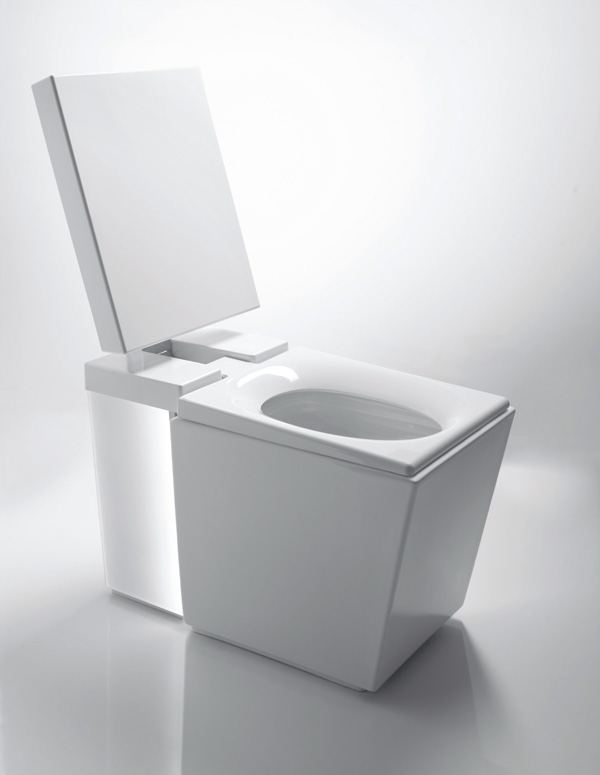
Spa RetreatOther unique products Smith and Snodgrass have been selling in their respective showrooms include the Numi toilet, which comes complete with feet warming capabilities, a deodorizer, a heated seat, an integrated air dryer and more. “People love it,” Snodgrass adds. This product is perfect for those who want to spend more time in their bathrooms.

On the other hand, there’s the Electric Mirror waterproof TV. This amenity can be found in luxury hotels and can help complete the spa experience in your master bath, but it can also help those multitasking individuals maintain efficiency in the mornings.

A master bath remodel into a spa-like experience can range anywhere from $2,000 to $15,000. It just all depends on what you want and how much you want to spend.

“If you want pretty much a car wash in your bathroom or a toilet of the day, then more money will go into it to create that spa effect,” Snodgrass says.

For more information about how you can turn your master bath into a spa retreat:

Central Arizona Supply
16431 N. 90th St., Scottsdale
(480) 922-9191
centralazsupply.com

Ferguson Bath, Kitchen & Lighting Gallery
8340 E. Raintree Dr., Bldg. A-1, Scottsdale
(480) 556-0103
fergusonenterprises.com

Scottsdale Living Magazine Winter 2012

Thursday, April 6, 2017

a continuing saga of inadequacy

Read article : a continuing saga of inadequacy

J R Soc Med. 2004 May; 97(5): 235–237.

PMCID:PMC1079464

Abstract

Previous surveys of UK hospitals have highlighted many deficiencies in the standards of hospital inpatient washing and bathing facilities—especially inadequate access for wheelchair users, insufficient bathing equipment, and unsatisfactory cleanliness and privacy. We conducted a qualitative survey in three hospitals in the North of England to see whether these facilities have improved.

There have been some improvements, particularly in the provision of bath hoists, adapted taps, alarm call systems, shower seats and wheelchair access to bathrooms. But many basic problems remain—absent locks and signs, inadequate heating, poor standards of privacy, insufficient bath aids, wet floors, and the inappropriate use of bathrooms as store rooms.

The overall condition of hospital bathrooms and showers remains unsatisfactory. Too many hospital bathrooms are austere, cold, smelly and poorly maintained.

INTRODUCTION

Bathing is an important activity of daily living and should be a pleasurable experience. Helping a patient to maintain personal hygiene is a fundamental aspect of nursing care but bathing of disabled and elderly people can be difficult and time consuming.1-3 If inadequate aids, equipment and facilities compound the difficulty, the process can become arduous for busy ward staff. Adequate and suitable washing and bathing facilities can help to ensure that patients are bathed in private and with dignity.

The last detailed survey of bathing facilities in a UK hospital was over 20 years ago.4 Conducted in the same region as the present study but at a different hospital, it revealed a generally poor standard of inpatient washing, bathing and toilet facilities, with insufficient equipment, especially bathing aids. It also highlighted poor access and inadequate adaptations for wheelchair users. The authors made recommendations for improvements.

Two large UK multicentre hospital surveys5,6 yielded comparable findings. The King's Fund questionnaire of patients in ten hospitals indicated that no patient was happy with the number of bathrooms or washbasins and that most were critical of standards of cleanliness. The Health Advisory Service survey of eight English hospitals commented on the poverty of the physical environment and shortcomings in bathroom cleanliness, access, equipment, upkeep, comfort, and privacy. We have looked at hospital bathing, washing and showering facilities to see if matters have improved.

METHOD

Two of us (AM and ST [see acknowledgment]) visited 46 hospital wards in three different hospitals in the North of England—a large teaching hospital, a smaller satellite hospital attached to the teaching hospital (mainly comprising specialist elderly rehabilitation wards), and a small district general hospital in a neighbouring city. All adult medical, surgical, and orthopaedic wards were assessed. Intensive care units, high dependency units, and psychiatric, and paediatric wards were not. We inspected all bathrooms and showers and recorded their physical characteristics on a checklist. We documented and compared details of door widths, height of light switches, accessibility for wheelchair occupants, alarm call systems, bathtub characteristics, bath aids, heating, floor surfaces, mirror height, sink accessibility, easy use of taps, privacy, and cleanliness.

RESULTS

The number of patients on each ward varied from 10 to 32, average 25. The total number of patients on all 46 wards was 1167. The proportion of physically disabled patients on wards varied from 12% to 100%, average 72%. For the purposes of this study, we defined physically disabled patients as those who needed any degree of assistance with washing or bathing while in hospital (this was determined by the ward nursing staff).

General features

All bathrooms and showers had a functioning alarm call system.

On 9 of the wards, there was no sign on the bathroom or shower door indicating the room's use. On 5 wards there was no lock on the bathroom or shower door. On 9 wards, the bathroom or shower room lacked privacy: for example, having only a small curtain or ‘concertina’ door separating the shower from the open ward; bathroom doors with large ‘peep holes’ or with large ‘see-through’ glass panels covered only by a small curtain. In one case, a paper towel was taped across the glass panel in place of a curtain. In another ward the bathroom was being used simultaneously as a toilet, with two patients using the room at one time (one in the bath, one on the toilet), separated only by a curtain.

The width of all bathroom doorways was above the minimum recommended (80 cm) to allow access for a wheelchair. However, on 13 (28%) wards, doorway width was less than 93 cm, the preferred width for wheelchair access. 8 wards had no heating in the bathroom. On 3 wards the light switch was too high to be accessible for someone seated or in a wheelchair.

In most bathrooms and shower rooms the decor was plain, uninspiring blue or green gloss paint (‘like a bad campsite washroom’ was one nurse's comment). At the time of inspection, bathrooms or shower rooms on 12 wards were considered unclean on subjective inspection. A recurrent finding was that the room smelled of urine. In some, the floor was wet and potentially hazardous. The standard arrangement was for one of the domestic staff to clean the bathroom and shower once daily. At all other times—and between baths and showers—this responsibility fell to the ward nurses.

Bathtubs and bath aids

The number of bathtubs per patient varied from 1 in 6 to 1 in 28. All wards had at least one bath, most had two. 12 wards had baths that were not free-standing, so carers were unable to get around both sides (though most of these wards also had another bath which was free-standing). Two free-standing baths had a shower obscuring one side, which blocked access for carers.

45 of 46 wards had a bath hoist (ambulift), 19 (41%) had bath rails, 10 (22%) had a bath seat, 20 (4%) had non-slip mats (now less favoured because of the theoretical risk of infection spread), 2 (4%) had a bath board. 19 (41%) had ‘easy to use’ or adapted taps (i.e. easier to turn on and off for patients with dexterity problems). 6 bathrooms also contained a bidet; few of these worked and all were unused. Most bathrooms were cluttered—sometimes almost full—with non-bathroom-essential ward objects such as mattresses, commodes, and weighing machines. In some cases, these impeded access to the bath.

Showers

Most wards had two separate showers, 16 had only one. 10% (7/73) of showers were either broken or not working. A recurring problem was water seeping under the door into the main ward, in one case dripping down through the ceiling to the floor below. Some of these had been awaiting repair for several months with no obvious indication that this would occur in the near future. This was a source of frustration to the nursing staff.

Only 33 (72%) wards had showers that were accessible to wheelchair users. Some had a large step up to the shower, others were too cramped, making manoeuvrability impossible. 82% (60/73) of showers had a shower seat, generally a simple plastic chair borrowed from the main ward.

Washbasins

Most washbasins were of a suitable height for those needing to sit and wash, and legroom was adequate. Taps were adapted or easy to use on 34 (72%) wards. 11% (10/90) of bathrooms had no mirror and 39% (31/80) of mirrors were > 130 cm off the ground (not easily accessible for someone seated or in a wheelchair).

DISCUSSION

72% of hospital inpatients in this study needed some assistance with washing and bathing. Since the previous study in 1982,4 improvement has occurred in wheelchair accessibility to bathrooms but not showers, and in access to washbasins (direct comparison is not possible, since the studies were done in different hospitals). The provision of alarms is now standard, and the use of bath hoists and showers is almost universal. Many taps are now easy to use. But little else has changed. We found identical themes to the previous surveys.5,6 The main deficiencies, as before, are limited accessibility of showers for wheelchair users, a paucity of bath aids and adaptations, concerns about cleanliness and lack of privacy. Other inadequacies include: poor signage, missing locks, lack of heating, unimaginative decor, unpleasant smells, wet floors, obstructive clutter, raised shower thresholds, mirrors and switches that are too high, and delayed repairs. This study was of 46 wards in three hospitals in one English region. Surveys of hospitals elsewhere are needed to show whether our findings are generalizeable: we suspect that the inadequate state of hospital bathing facilities is a widespread phenomenon.

It is of concern that many of our findings are similar to those of the King's Fund patient survey performed in 1966.5 The Department of Health survey in 19986 raised similar criticisms, and made many recommendations for action to be taken. However, in the hospitals that we studied we found little evidence of improvement. Overall, there were few changes from the situation encountered more than 35 years ago.

These findings should be placed in context. On most wards, facilities for washing and bathing were adequate and there were several other positive findings. For example, all rooms had functioning alarm call systems and light switches that worked. With one exception, all wards had a bath hoist, the most important bathroom aid for disabled patients. But many shortcomings persist. Few wards had a full set of simple bath aids. Mirrors should be lowered or enlarged to make washing, shaving and grooming easier for those who need to sit for this activity. All taps should be adapted for easier use. Wheelchair access to showers should be improved. Repairs to broken bath and showering equipment could be done much more quickly. More consideration might also be given to improving the decor, privacy, cleanliness, and general environment of these rooms, helping to make washing and bathing a more dignified, pleasurable and relaxing experience for all involved.

There is limited space on hospital wards, and bathrooms are commonly used inappropriately as store rooms. There should be alternative areas to store ward equipment, freeing the bathrooms for their proper use. Having to share the same bathroom with another person (fortunately, only one instance seen) is particularly unsatisfactory.

The recommended standards for disabled people using hospital say little about bathrooms and showers.7 Measures to improve overall quality of care, privacy, and facilities in hospital are in the National Service Framework for Older People8 but at present there are no comprehensive guidelines or national standards. Most of the improvements required would be inexpensive. Hospital managers, doctors, and modern matrons should focus on these important deficiencies in the bathing facilities of most hospital wards. Perhaps a designated member of staff (such as an occupational therapist) could ensure that washing and bathing facilities are adequate and act as patient advocate. It might be a good idea to make bathroom standards a key factor in government star ratings of hospitals. The aim should be to provide bathing facilities that we would be happy to use ourselves.

Acknowledgments

We thank Dr Sarah Twigg, Senior House Officer in Elderly Medicine, St James's University Hospital, Leeds, for her help with the data collection.

References

1. Whiting LS. Maintaining patients' personal hygiene. Prof Nurse 1999;14: 338-40 [PubMed]
2. Berwick L, Nisan C, Higgins M. Care of the body: maintaining dignity and respect. Perspectives 2002;26: 10-14 [PubMed]
3. Sloane PD, Rader J, Barrick AL, et al. Bathing persons with dementia. Gerontologist 1995;35: 672-8 [PubMed]

5. King Edward's Hospital Fund for London. Patients and their Hospitals. Maidstone: Alabaster, Passmore, 1969

6. Health Advisory Service. Not Because they are Old: an Independent Inquiry into the Care of Older People on Acute Wards in General Hospitals. London: HAS, 1998

7. Royal College of Physicians and Prince of Wales' Advisory Group on Disability. Charter for Disabled People Using Hospital. London: Royal College of Physicians, 1992 [PubMed]

8. Department of Health. National Service Framework for Older People. Standard 4: General Hospital Care. London: Department of Health, 2001

Articles from Journal of the Royal Society of Medicine are provided here courtesy of Royal Society of Medicine Press

Friday, August 11, 2017

Simple Tips for a Successful Bathroom Renovation

Read article : Simple Tips for a Successful Bathroom Renovation

From design inspiration to choosing the right materials and fixtures, we’ve got all the information you need to complete the perfect bathroom renovation project.

bathroom renovationRegardless of whether you live in an apartment or a house, the bathroom is one of the most important rooms in the home.

A practical and modern bathroom dramatically enhances the appeal of any home, so if you’re planning a bathroom renovation it’s important that you get the details right. So if you’re looking for a host of handy tips and tricks to help you turn your tired and impractical bathroom into a relaxing and luxurious retreat, you’ve come to the right place.

Getting started

Before you start thinking about design ideas, colours, and choosing shower heads and tiles, you need to sit down and work out exactly what you want to achieve with your bathroom renovation.

If you’re renovating an ensuite to create a peaceful space where you can unwind, warm tones and a modern free-standing bathtub might be high on your wish list. If you need a bathroom for your growing family, then durable materials and plenty of storage will be essential inclusions.

So take the time to develop a clear idea of what the bathroom will be used for and any features on your must-have list. Once that’s done you can start planning the finer details.

Design ideas for different projects

There are several features and factors you’ll need to consider when planning your bathroom renovation, including:

Layout

The right layout is essential to create a functional and comfortable space, so consider ambience, flow and practicality when deciding on your bathroom layout. Speak to an architect or a builder about the functionality and layout of the space. There’s a seemingly endless array of floorplan options available, though you may be constrained by the location of existing plumbing connections. Consider the features you want in your bathroom, for example maximising natural light or ensuring an easy flow from the bedroom through to your ensuite shower, when deciding on the right layout.bathroom

Shower

The shower is one of the features of your bathroom that will get the most use. From choosing a screen for privacy to deciding on a shower head to sourcing the right water flow, there’s plenty to think about when selecting your shower. You can choose a fixed or hand-held shower head, massage showers, waterfall showers and high- and low-pressure jets. In terms of shower screens, do you want a framed, frameless or semi-frameless screen, or perhaps no screen at all? Chat to an interior designer and shop around at bathroom specialist stores to learn more about the different options available on the market and how they fit into your plans.

Bath

A contemporary bathtub is a must — and there’s a seemingly limitless range of beautiful designs to choose from. There are freestanding tubs that are statement pieces in their own right, recessed baths that use minimal space, easy-access baths for the elderly or those with a disability, as well as full jacuzzi setups for a touch of luxury. However, if you live in a second-storey house, be mindful of having a bath on the second floor as the weight of a full bathtub may put pressure on the upper floor. The amount of space available is also going to have a big influence on the bath you select.

Vanity and basin

Every bathroom needs a sink, but if you and your partner are usually getting ready at the same time, could the space benefit from his and hers sinks? Ample storage space is a must for any vanity unit, while looks should never be neglected in order to ensure that the vanity you select matches the rest of the bathroom. The right vanity will combine good looks and handy storage options with plenty of usable bench space. From wall-mounted vanities to cabinet vanities and even minimalist vanities with a simple shelf system, there’s a huge range of choices available.

Fixtures and fittings

From taps and towel rails to frameless shower screens, the right fixtures and fittings are practical inclusions that complement the design of the rest of the bathroom. Taps come in an extensive selection of materials, including chrome, brass, gold and stainless steel, and there’s no limit to the styles available depending on the space available and the look you want to achieve. The sink, shower, bathtub and toilet should all serve a practical purpose but should also seamlessly integrate with their surrounds and complement one another perfectly.

Tiles

Tiles play a hugely important role in determining the look and ambience of your bathroom. From floor tiles to wall tiles and even special feature borders, choosing the right tiles is crucial to the success of your bathroom renovation. It can also be a daunting process, You’ll need to consider the ambience you want to create in your bathroom, your colour scheme, the size of tiles you want and how they will be laid out. layout bathroomFor example, do you want to use contrasting tiles to add a feeling of space to a small bathroom, or do you want tiles with a textured surface to create a unique and interesting feature? Tiles come in ceramic, glass, natural stone, porcelain and clay, so research the looks and benefits of each option before making your choice.

Storage space

A bathroom with insufficient storage space is impractical and cluttered, so make sure you’ve got ample room for all the toiletries, towels and other odds and ends you need to store in your bathroom. Vanity cabinets, shelves and drawers are the obvious places to keep your items so they don’t clutter up the rest of your bathroom, but there’s plenty more you can do to maximise storage space. There’s a huge range of clever internal hardware options available to cleverly use the available space, while a recessed niche built into the shower cavity is great for storing shampoos, soaps and the like. Even installing a simple ledge-style shelf can help keep the vanity top free of mess.

Lighting

Last but certainly not least, don’t overlook the importance of lighting in creating a welcoming and refreshing space. The bathroom is one area of the house where it’s important to be able to see clearly, but where you can also relax in comfort if that’s what you feel like doing. Whether you’re looking for soft LED down lighting, a feature pendant that stands out or simply the warmth of natural illumination, include lighting considerations in your initial renovation plan. Light fixtures will obviously need to be moisture-proof and capable of standing up to life in your bathroom, while you may also want to consider heat lamps if you live in a cold area. One other thing to remember when choosing lighting is energy usage - the right choices can make a noticeable difference to your power bill.

Bathroom design ideas

Back to top

Renovating a small bathroom

When you’re renovating a bathroom, space is the final frontier. In a larger space, having more room to work with often means that you have more flexibility to add privacy and create different zones for each bathroom task.

When you’re renovating a bathroom, space is the final frontier. In a larger space, having more room to work with often means that you have more flexibility to add privacy and create different zones for each bathroom task.

Unfortunately, most bathroom renovators only have a limited area to work with, so they need to take advantage of clever ideas and design solutions that help them make the most of the available space. For example, a normal hinged door can eat up much more space than you have to spare, so a sliding door can offer a better solution. Other great space-saving and space-creating ideas include wall-mounted toilets, neutral colour palettes with occasional bursts of colour, and including handy built-in storage nooks and crannies wherever possible.Small bathroom

Renovating a small bathroom means you’ll also have to be more ruthless when deciding what belongs on your bathroom wish list. For example, while soaking in a hot bath might sound appealing, are you really willing to sacrifice such a large amount of floor space to include a tub?

Do it yourself or get in the experts?

If you’re keen to save as much money as possible on your bathroom renovation, you may want to consider a DIY project. While this lets you take control of your bathroom renovation, it’s always wise to think about your options before going the DIY route as bathroom renovations can become complicated very quickly.

Some jobs are fairly simple for the DIY renovator, such as stripping out your old bathroom and prepping the space for your new bathroom. Other jobs, for example waterproofing and tiling, you might also be able to do yourself if you have the right experience under your belt.

Plumbing and electrical work will need to be done by the professionals, however. A good plumber can help you through your renovation from start to finish, so find a plumber you trust before you start knocking down walls or stripping out tiles.

What can you DIY and what's best left to experts?

Where to buy bathroom renovation supplies

From tiles to toilets, there are several options when you need to stock up on the right supplies for your bathroom renovation. A good place to start your search is a large hardware store like Bunnings, Masters Home Improvement or Home Timber and Hardware. This will give you a good idea of some of the fixtures and fittings available to include in your bathroom.

It’s also a good idea to browse specialist renovation and bathroom supply stores — research online to find one near you, and where you find one bathroom store you’ll often find a few more. There’s a huge range of products to choose from for every aspect of your renovation, from the smallest of tiles to the largest of freestanding baths, so take the time to consider all the options available before making your decisions.

Back to top

Top tips to help you save money on your bathroom renovation

  • Do your research. Jump online and visit local bathroom renovation specialists to see what kind of materials and fixtures are on offer. Speak to architects, building experts and bathroom renovation specialists to ensure that your renovation plan and budget is feasible. Source several quotes from different suppliers before deciding which company to go with.Shopping for a shower head
  • Plan ahead. Don’t start your renovation unless you know exactly what you want to achieve. Getting halfway through your project and then deciding that you don’t like the layout, you want different tiles or you’d like to make room for a bigger bath can be an expensive and stressful mistake. Work out exactly what you want before you reach for a hammer.
  • Make a budget and stick to it. Bathroom renovations have something of a reputation for unforeseen costs and budget blow-outs. Around $15,000 to $20,000 is a realistic estimate for many bathroom projects, see our guide on the costs of bathroom renovations, but sit down and work out the material and labour costs for your project. Once you’re fully aware of how much your project should cost and how much you can afford, it’s time to start work.
  • Know what you can do — and what you can’t. While DIY renovations are great for saving money, it’s important that you don’t get ahead of yourself when choosing what jobs to take on and what to leave to the professionals. If you’re at all unsure about your ability to complete a particular task, you’re much better off getting the experts in to avoid problems occurring later down the track.
  • Take your time. While it can be frustrating having your bathroom out of action for a couple of weeks or more, when you’re doing it yourself it’s important not to rush things. Measure everything twice and be certain you’re doing the right thing before you cut, lay or install anything.
  • Plumbing costs. You might want to completely rearrange the features and layout of your bathroom, but take note that plumbing costs can sometimes make this prohibitively expensive. Moving plumbing pipes and outlets for sinks, toilets, showers and baths can cost thousands of dollars, so you may be better off leaving some fixtures where they are to lower your costs.
Back to top

Tuesday, March 20, 2018

Aegean Free Standing Bath

Read article : Aegean Free Standing Bath

Description from Albion Bath

Aegean Free Standing Bath is manufactured using Albion’s unique stone cast process using our Iso-Enamel resulting in a bath that is over 7cm thick.

Inspired by the Fire-Clay baths of New York in the early 20th Century, Aegean is a must for those who delight in sumptuous bathing. The Aegean is available in two sizes. The 1700mm long model will suit regular sized bathrooms but for those wanting to make a more dramatic statement – (if this is possible – the 1700 long bath is hardly discreet) – an 1800mm long version is offered. As with our Etruscan bath, the Aegean has a clever integral overflow System that is actually cast into the wall of the bath. This feature maintains the visual elegance of the exterior design. The bath is intended to be used with either wall mounted taps or taps mounted on stand pipes.

Albion’s unique Iso-Enamel material creates a bath that is strong, solid and durable. Importantly, our material overcomes the drawbacks of cast iron, such as extreme weight and high heat loss from your bathing water. With Iso Enamel, your bathing water will stay hotter for longer – no more topping up with the hot tap. To clean your Iso Enamel bath, simply use any modern, liquid cleaners. If your unlucky to scuff your new bath, Iso-Enamel can be easily polished back to a high shine.

To combine your Aegean Free Standing Bath with functional showering, choose our Effusio Over-Bath Shower system. This will give you the day-to-day practicality of a shower. But still with the luxury of stylish bathing.

The Aegean Free Standing Bath and has generous depth for the most sumptuous bathing. Supplied without tap holes, this new addition to our range is suitable for most tap formats.

Sunday, December 10, 2017

Bathroom accessories

Read article : Bathroom accessories

WATER TECHNOLOGY

Bathroom accessories are often overlooked in the initial planning stages of bathroom design. However, they play an essential role in any bathroom space – both in how they make the space more usable, as well as how they add to the overall design aesthetic of the space.

When it comes to bathroom design, what sets a mediocre bathroom apart from one that really has that “wow” factor is the choice of accessories and lighting.

It is these finer aspects of the room’s finish that can bring much-needed functionality, convenience and luxury, both in a tactile and aesthetic sense, to a bathroom space. However, these fixtures are often overlooked during the planning phase, which can often lead to you going over budget. Careful consideration of what needs to be included in this department should not be disregarded, and remains a quintessential necessity in any bathroom design.

Bathroom accessories

There are the “basic eight” bathroom accessories that no bathroom can go without these include towel rails, bathroom shelves, toilet paper holders, towel rings, soap dishes, toothbrush holders, toilet brush holders and robe hooks. However, if you want to go the extra mile, there are various other accessories that can be included to take the room to the next level and transform your bathroom into a luscious and practical oasis. Some of these include shower accessories, such as shower and soap racks, free-standing towel rails to accompany free-standing baths, and foot rests for example. If your bathroom is going to accommodate elderly or disabled users, you might want to consider things such as grab rails and shower seats.

Heated towel rails are another wonderful inclusion, and although most people consider them to be a luxury provider of warm towels, that is actually not their main purpose. The fundamental use of heated towel rails is to ensure deliciously dry towels whenever they are required. This makes them a great addition for bathrooms located in very hot and humid, or very cold climates. They also add to the overall hygiene of the room, as they negate the possibility of bacteria multiplying in damp towels, as well as reducing your energy consumption as you won’t have to waste electricity washing your towels that often, or use a tumble dryer to dry them. Contrary to popular belief, heated towel rails do not have to be energy guzzlers – if you choose heated towel rails that function using Dry Element Technology (DET), they require a very meagre amount of electricity to perform. This is because DET allows for rapid heat-up times and offers the ability to control the temperature settings to suit the climate for all-year-round functionality, as well as being able to switch them off and on when required.

An important thing to consider when choosing bathroom accessories is to choose ones that have a mounting system that ensures a durable and steadfast installation. Traditionally, bathroom accessories are attached to the bathroom wall using grub screws. However, this often poses a problem – since bathroom accessories have a largely functional use, the screws holding them in place need to be regularly tightened in order to keep them firmly secured. Today, however, you can invest in bathroom accessories that boast installation systems designed to keep them securely locked in place.

Bamboo scale from Legend Housewares

Another consideration is what the accessories are made from. Chrome-plated accessories are more affordable than others, but bear in mind that if you choose these, the major drawback of chrome is that even though it offers a beautiful, highly polished aesthetic, there is always the possibility that it would eventually flake and peel. Today, the material of choice is stainless steel – it doesn’t rust, flake, peel or dull, and it is exceptionally strong and easy to maintain and clean. Stainless steel bathroom accessories come in two main finishes – polished (shiny) and brushed (matt).

Bathroom accessories Photo Gallery

Click on Photos for Next Bathroom accessories Gallery Images


Bathroom accessories_0.jpgBathroom accessories_7.jpgBathroom accessories_2.jpgBathroom accessories_8.jpgBathroom accessories_9.jpgBathroom accessories_16.jpgBathroom accessories_10.jpgBathroom accessories_14.jpgBathroom accessories_12.jpg