Showing posts sorted by relevance for query Dish washing area. Sort by date Show all posts

Wednesday, July 5, 2017

Space requirements And furniture. - ppt download

Read article : Space requirements And furniture. - ppt download

Presentation on theme: "Space requirements And furniture."— Presentation transcript:

1Space requirements And furniture

2Symbols for furniture and the real space requirement
Bed Work place Sofa and easy chairs Cupboard

3Symbols for furniture, fixed furniture and sanitary appliances
Kitchen equipment Single & double sink Bed Cooker & oven Sofa Refrigerator Storage closet for broom etc. Easy chair Ordinary chair Table top with wall cupboards Wheel Chair Bathroom equipment Dining table WC Bidet Hand wash Basin Working table Shower place Entrance wardrobe with racks Bath tub Clothes & linen cupboard Laundry equipment Chest Washing machine Cabinet Drying space/closet Bookcase TV Washing table top with wall cabinet

4Space requirements for furniture
The usefulness of a dwelling highly depends on the way it is furnished. Well organised furniture will increase the usefulness of the dwelling. The following outline with measurements of furniture can be of help to make useful furniture planning. The outline will provide measurement on commonly used furniture and the required free space around the furniture, when they are used and space required for cleaning. Hall way / Entrance A wardrobe or a rack with hangers for 4 persons requires min. 600 x 1200 mm, and a chest of drawers approx. 400 x 800 mm plus free space in front approx. 900 mm. The hall should have a free floor area of at least 1300 x 1300 mm. Bedrooms The size of a bed is approx x 900 mm. Besides that a free space of 700mm along the bed is required. Space required in total 2100 x 1600 mm. 700mm as free floorspace along the bed is not much for cleaning. With 1000 x 1200 mm cleaning becomes much easier. A combined bed- and living room for one person should have a width om min. 2400mm and a floor area of at least 10m2 to give reasonable possibilities for organising furniture in the room. There should be at least 900mm free space in front of wardrobes/cabinets and table to allow space for cleaning and movement.

double bed requires approx. 2100 x 1800 mm, and with free space approx. 2700 x 3200mm including passage at one end og the bed." class="image_link uk-text-large uk-margin-small-left uk-margin-small-right"> 5Bedrooms continued A double bed requires approx x 1800 mm, and with free space approx x 3200mm including passage at one end og the bed. A bedroom furnished with a double bed, should have a floor area of at least 12m2 and one full wall lenght of at least 3200mm. (without windows or doors) Placed parallel two beds including free space occupy at least 2700 x 2100 mm. Two beds placed at an angle should be spaced with a distance of at least 600mm toallow space for cleaning and doing the bed. Total space required for such two beds is approx x 2100mm.

6Arrangement of bedroom
Here are 3 examples of room for one person. The floor area is 8, 10 and 12 m2 The examples illustrate how much can be achieved by increasing the floor area with a few m2.

7Living rooms A sofa and two easy chairs require approx x 3000mm, with three chairs approx x 3000mm and with four chairs approx x 3000mm. In a common living room there should be at leat 3000mm wall space for chest of drawers, bookscase and shelves etc., where books, papers,tv, radio and taperecorder can be placed. An ordinary office desk requires approx. 800 x 1600mm plus space for a chair 900mm, in total 1700 x 1600 mm. A small desk requires approx. 600 x 1200mm plus space for a chair 900mm, in total approx x 1200mm

8Dining area A dining area for 4 persons require approx x 2400mm and for 8 persons approx x 2400mm. Additionally 600mm space for passage should be included at one table end. A dining area with a round table for 4 – 6 persons require approx x 2800mm. If extended for 8 persons the space required is approx x 3400mm. Additional space should be included for passage on at least one side of the table.

9How the individual rooms can be arranged
The possibilities of arranging furniture in a room depends on the size and shape of the room as well as the placement of windows and doors. A room with sizes of approx. 3 x 4 m kan be utilised in a number of ways. For example as bedroom, living room or dinning room.

10Kitchen equipment Kitchen
In a dwelling for persons there should be approx. 4 m work top including cooker and refrigerator, and in an dwelling for 4 – 6 persons the length shuold be approx. 4 – 5 m. Regardless of the kitchen type and shape the best working sequence is aquired when the individual workplaces and work tops in principal are arranged as shown on fig. 1, with dish washing area at the left side. The closet for broom can be placed outside the kitchen, for example in the scullery or entrance room. Also the fridge can be placed outside the kitchen. Dish wash Preparation Cooking Fig. 1 Kitchen Work tops and fixtures for dwelling with 2 – 3 persons Kitchen Work tops and fixtures for dwelling with persons

Dish washing area. Preparation. Cooking." class="image_link uk-text-large uk-margin-small-left uk-margin-small-right"> 11Arranging the Kitchen Dish washing area Preparation Cooking For convenience the cooking place should be placed to the right and the dish washing area to the left side.

12Distances and heights in kitchens

1340m2 utilised in 3 different ways

14Bathroom equipment and arrangement
Bathrooms To ensure a reasonable free floor space and space for cleaning in the bathroom, there should be a free distance of at least 1100mm in front of sanitary equipment. In an extra WC – room a free distance of 600 – 800 mm could be acceptable, but the space is limited and cleaning difficult. Passage With a free area of 600mm one can pass between two pieces of furniture or between a piece of furniture and wall. If 900mm is available one can pass carrying a tray or a bucket and a broom. Areas with intensive traffic, for example between two doors, or between a sofa and a dining place or along a staircase, should be at least 1000mm wide.

15Examples on how bathrooms can be arranged

16Placing of Doors The way a door is placed and the space it occupies when opened, has great influence on the way the room can be furnished and arranged. A door placed close to the corner of a room can be left open without interupting anything. With a distance of 400mm from the corner there is space for a bookcase or shelf behind the door. With 700mm distance a wardrobe or closet can be fixed behind the door. If the distance is 1000mm between door and a corner, it will be possible to place a bed next to the door and if there is 1500mm there could also be room for a bed table. A distance of 2200mm between door and corner allows a bed or sofa to be placed along the wall.

17User requirement check list
Entrances is protection from weather provided at entrances? is there space in hall for receiving visitors? is there convenient storage for outdoor clothing & pram? can meters be read without entering living area Living area is there space for required furniture in sensible arrangement? is there sufficient space to seat guests in dinning area? does living room face private garden? Kitchen is there direct access, on same level, from kitchen to dinning area? is work surface adequate, free from interruption & obstruction? is work triangle (sink, cooker – refrigerator) compact and free from cross – circulation? has possible use of kitchen by elderly or disabled people been considered? is there space for additional equipment or large items likely to be used in future? has kitchen view of outside world – for callers, toddlers play etc.? Bedroom is there space for required furniture in sensible arrangements – consider use of beds? can bedroom be used for child’s homework, entertaining friends & hobbies? Bathroom is bathroom convenient for bathing baby? has use of bathroom by elderly people, invalids, been considered? is there space for appropriate bathroom equipment hanging towels etc.? Storage & accessibility are refuse bine & fuel storage accessible, conveniently placed for collection & delivery? can bicycles be taken outside, pram put in garden & garden refuse removed, without passing through living area?

Monday, October 30, 2017

16 Ways To Deep Clean Your Bathroom - And Keep It Clean

Read article : 16 Ways To Deep Clean Your Bathroom - And Keep It Clean
Deep Clean Your Bathroom - And Keep It Clean!

If there were one room in the house you were to hate cleaning the most, it would be the bathroom. Somehow it just always seems a little dirty, yet it’s the room we clean ourselves up in. All the dirt just somehow manages to find a way to store up in the little nooks and crannies we often forget about, where it gets worse until you eventually do something about it.

With just a few household items and these helpful tips, you’ll be on your way to effectively deep cleaning your bathroom in no time.

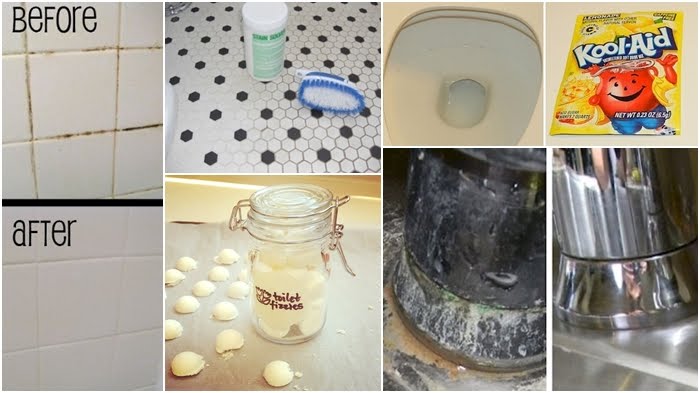
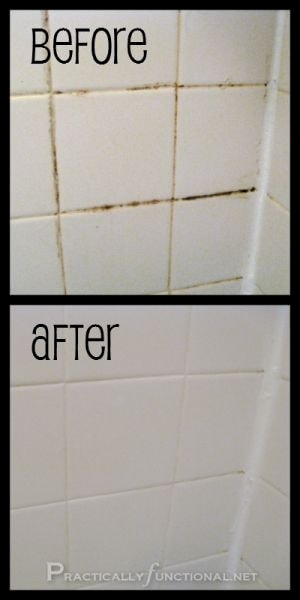
1. Make shower grout sparkle again

With a baking soda and bleach concoction, a toothbrush, and some time to scrub, you’ll have immaculate shower grout in no time.

image

2. Easily get rid of stubborn mold in caulking

By soaking cotton balls in bleach, you can get rid of stubborn mold the easiest way possible. Simply set the cotton balls along the stained or moldy caulking, allow it to sit overnight, and presto!

image

3. Accomplish a clean jetted tub

You don’t need the help of dish detergent or harmful cleaners to clean the small crannies of tub jets. With just the help of a little baking soda, vinegar, and water, you can let it soak and easily scrub it with a toothbrush and towel.


4. Clean out the bath drain

Throwing some Draino in there is an easy, quick fix, but it doesn’t get down to the root of the problem. By cleaning out your drain the old-fashioned way, you can. All you’ll need is a few tools to disassemble the tub stopper, vinegar, and baking soda.


5. Create a spotless plastic shower curtain

Did you know a plastic shower curtain can be cleaned in the washing machine?! Just add one or two cups of white vinegar to the load and a couple of towels to avoid the shower curtain clustering together. Make sure to allow it to air dry as the plastic will melt in the dryer.


6. Say goodbye to deep stains in the sink

This will take a little more time, as it is a three-step process. But you don’t have to worry about scrubbing until your hands burn with the help of a product known as “Bar Keeper’s Friend.”


7. Fix a slow draining bathroom sink

If you have a U-shaped trap, you know just how easily grime, hair, and other crap builds up. To ensure your sink works better for a longer period of time, you can completely clean it out with the help of this tutorial.


8. Remove hard water buildup with ease

Forget about CLR or other cleaners that promise to remove hard water buildup. With a mixture of white vinegar, dish soap, and lemon juice, the grime will be gone in no time.


9. Keep the toilet clean all year without scrubbing

Try making your own DIY tablets to clean the toilet. All you need is citric acid from the canning aisle, hydrogen peroxide, baking soda, vinegar, and any essential oil you prefer. PopSugar

image

10. Abolish hard-to-clean toilet rings

Did you know Kool-Aid actually contains citric acid that can break down grime and even hard water deposits?! Just sprinkle a little Kool-Aid (lemonade flavor only) around a toilet bowl, let it sit for a couple hours, and stubborn toilet rings are gone in no time.


11. Eliminate grout stains in the floor

To make your home look brand new again, a little powdered oxygen bleach and water can go a long way. Scrub the mixture into the floor, and watch it transform.


12. Make your own floor cleaner

Not only do store bought floor cleaners smell like chemicals, they don’t always clean as well as we’d like them to. You can make your own that will leave your floors in squeaky clean condition by mixing equal parts vinegar, water, and rubbing alcohol with a few drops of liquid dish soap. It will cut through grease easily, and you can even personalize it by adding your favorite essential oils to aid in the process and make your house smell wonderful. Tea tree oil, for example, is great for disinfecting.


13. Don’t forget to clean the bathroom exhaust fan

As one of the most neglected things probably in your entire home, it needs a good cleaning from time to time too. Because you’re taking the cover off to clean the entire fan, make sure you turn off the breaker to make sure you don’t accidently shock yourself. You can find a full tutorial here.


14. Rejuvenate your bathroom storage cabinet

Whether you have a cabinet under your sink, or on the other side of the room, go through your bathroom storage area. Consolidate products, get rid of anything you don’t use or need, clean it out, and add a shelf liner. You can make it more productive and organized by adding baskets, hooks, or a lazy susan.

image

15. Disinfect your toilet plunger often

After uses, rinse off the plunger by flushing the toilet a few times. Then, mix dish soap with bleach directly in the toilet, swishing the plunger around in the mixture. Your toilet and plunger can all be cleaned at the same time.


16. Remember to clean the toilet brush too

If you think about it, the toilet brush is probably one of the dirtiest things in your bathroom. Combine hot water with two caps of bleach, let the brush soak for an hour, and then rinse it off with hot water.

 image

Tuesday, May 9, 2017

How Californians Are Coping With the Drought

Read article : How Californians Are Coping With the Drought

Earlier this month, California Governor Jerry Brown made an unprecedented decision: To fight back the devastating effects of the drought that is currently racking the state, its citizens will be forced tocut their water use by 25 percent. It was the first such conservation mandate in the state’s history.

Though the executive order has been widely lauded for pushing the state toward a more water-conservative future, it’s still unclear exactly how it will be practically implemented. On Saturday, the State Water Resources Control Board issued arevised set of draft regulations to execute the order. In it, individual water districts are given their own water reduction targets; those areas that have historically been big water wasters will be expected to cut back the most, and those that have already shown success in conservation won’t have to reduce use significantly. (There currently are no additional cutbacks required of agricultural water users.) There is a small window of time open for public comment, and the board is expected to vote on the regulations during the first week of May.

In reality, though, the drought has already forced many Californians to adapt to a new way of life.Newsweekput out a call to residents of the state to ask them what they’ve done in the past year to adjust.  

Rona Lewis, Nutritionist, Los Angeles

I live in an apartment, and they’ve replaced our regular toilets with low flow. Personally, I try to do little things to help: turn off the water when I’m brushing my teeth, turn it off when I’m washing my hair or waiting for the conditioner to soak in.

I’m a fitness trainer and take a lot of my clients out for power walks during the day. I see a bunch of homes with either Astroturf instead of real grass or desert-type foliage along with rocks for front lawns. It’s hard for those of us who like to grow our own food—I only have a few pots on my balcony for herbs and tomatoes, but my clients and friends who have full-fledged vegetable gardens are frustrated at the restrictions laid upon them.

What so many of us don’t understand is why there is such a fight against building desalination plants. It would solve so many water issues here!

04_23_Ca_water_02 With water in short supply, desalinization of ocean water to make it drinkable is the focus of various projects across the state. Elijah Wolfson

Brian Milne, Business Development Manager, Paso Robles

I live in wine country on the Central Coast of California where we have a ton of vineyards sucking up water and a whole host of water issues.

We had the lake in my hometown of Atascadero go dry. Lakes where I learned to fish (and have written fishing guides and hiking guides about) have gone almost dry.

Our family has cut our water use drastically. We have the brownest lawn on the block, and I'm proud of it. I've only watered our lawn once this spring, and that was when we drained our spa to irrigate our landscape. Our spa is now empty and we don't plan on using it this summer. We've also built a gray-water system that waters our roses from the washer at my parents house. We also have buckets under our rain gutters and use buckets in the shower to catch excess water and reuse it around the house when appropriate.

Additionally, I love to surf, and I've made my own portable shower out of a Roundup Weed Killer Sprayer, and put a pump and nozzle on it and use it to wash off with very little water at the beach. Many state parks in California no longer have water, or the showers they do have waste a significant amount of water. Using my portable shower, I can spread a couple gallons for about three to four showers in the mornings after surfing. That's a lot better than the American average of 17 gallons per shower!

Catherine Trainor, Startup Entrepeneur, Oakland

We bought a pump so that each time we take a bath we can pump that water into a hose to water the plants with. We have a pitcher by the sink so we can pour half-drunk water glasses, water from boiling vegetables, etc., [and use that] to water the plants. In the summer, we let our lawn die. One thing we wish we could do (and that everyone could do) would be to collect water off of our roof for when it rains. An inch of rain on our roof would give us 600 gallons of water, and we'd like to keep it!

Also coming up for the summer: bucket shower!

Hilary Achauer, Writer and Editor, San Diego

We just ripped out our front, south-facing lawn and installed California native plants. We did not install irrigation. The plan is to water it twice a week for eight weeks, and then it should be established well enough that it won't need watering. We've even got some trees—two shoestring acacia trees and an incredible paloverde tree, which is a desert tree with lovely yellow flowers.

Chantay Bridges, Realtor, Los Angeles

At first, I was not dealing with it at all. I heard about it, I felt it, I saw the effects of it. Originally, I sort of buried my head in the sand and attempted to ignore it. Now that it's at a massive level and mandates are being formed, I have taken a look at it more closely. Here's now how we are dealing with the impact of the California drought:

We have reduced our water usage. In lieu of washing daily, even if it's one blouse, we now only wash once per week as an entire family We have adjusted our automatic water sprinklers. Now there are a couple of days where the lawn is not being watered at all. We are not encouraging water type of games with the kids and their friends. Instead, we have given them other options, despite the nice weather.

We are talking to our neighbors, friends and co-workers soliciting suggestions of more ways to conserve. We attended a few neighborhood meetings where they discussed it in length, to educate ourselves and learn best practices.

We are shopping more for water and keep an emergency supply in the home.

04_23_Ca_water_03 Some Californians have stopped watering lawns and plants and others have reduced how often they run sprinklers. Elijah Wolfson

V.J. Sleight, Smoking Cessation Counselor, La Quinta

I have cut the size of my lawn by 75 percent, and I am considering getting rid of the rest of it. I've stopped taking showers every day, especially since some days the only exertion I get is sitting at a desk. I contacted the local water agency, which gave me low-flow nozzles for shower and sinks, plus a plastic bag for the toilet to reduce the amount of water used. I use a dry brush on my car instead of always getting a car wash.

John Cox, Chef, Big Sur

This week [at the Post Ranch Inn], we started using compressed air to clean the plates before loading them into the dish machine. Traditionally, the spray nozzle at the dish station is one of the kitchen's biggest uses of water. By adding the compressed air gun to the station, we have been able to reduce the usage of the water in that area by 80 percent and actually increase productivity. That is a huge savings!

Natalie Nicole Gilbert, Singer/Songwriter, Los Angeles

We received pamphlets last year asking us to avoid water usage during the day as much as possible, such as we would use for laundry, dishwashers, etc. We've since started washing dishes by hand, waiting until a laundry basket is full to do laundry, kept a tighter eye on leaks and drips from the faucets, and generally cut back our water usage on every front we can easily control.

When my doctor advised I take lengthy showers to combat my bronchitis and borderline pneumonia, I balanced that advice with using a small facial and sinus steamer that had much the same effect but required less than one cup of water to create the steam.

We have also thought about moving out of state, particularly because the drought shows no signs of improvement anytime soon. We've begun circulating résumés as far away as the U.K. and Denmark.

Gretchen Hydo, Public Relations Professional, Sherman Oaks

To reduce water, we have cut back on laundry and are wearing our clothes more, flushing toilets less, and watering less. I am a life coach who works from home and my clients come to the house. I did not want to let my garden or my lawn go because it doesn’t look very appealing. The guilt I was having about watering and planting was taking its toll. I called a landscaper to see about drought-tolerant plants (I do not think they are appealing at all, but needed to do something). He came over, and after talking I discovered that I could keep my lawn and my plants and save up to 40 percent of water. It sounded too good to be true, but it worked.

Here are the things we did: 

  • We put in a drip system.
  • In our flower garden we put in water beads that expand 300 percent. They hold water so that you can water less (and the plants still receive water).
  • We put in some individual sprayers to the root balls of the plants so that they got the water (that is all that needs the water to grow).
  • We mulched.
  • We put in a tank that automatically feeds the lawn and flowers bio stimulants—this makes the flowers bloom, keeps them healthy and keep the grass green. It also cuts down on the water
  • And…..I did put in some colorful, drought tolerant plants

Our yard looks amazing.

Liam Collopy, Communications Executive, Manteca

We recently had a pool company come to our home—which routinely reaches 100-degree temperatures in the summer—to provide a design plan and estimate. With the drought and pending water restrictions, we've had to seriously rethink. In addition, the future of our well-manicured plush green front lawn-which is watered according to preset timers—is quickly becoming an offensive luxury as the drought lingers.

This is the new normal in the Central Valley of California. Appearance is out. Water efficiency and conservation is in.

I'm saddened not only for the farmers in our region but for future generations. I'm not an alarmist but my fear is California is turning into a desert.

Nigel Ravenhill, IT Marketing Specialist, Napa

Drought has made me way, way more conscious of even wasting a little bit of water. Now, if there's some water left in a drinking glass, instead of pouring it down the drain, I either water plants inside or walk outside and empty it in one of our outdoor planters or over our potted meyer lemon tree.

Similarly, I don't let the water go straight down the drain if I'm running the tap to get hot water to wash the dishes. Instead of letting a gallon go down the drain, I'll refill the electric kettle or fill-up jugs for watering the plants before the hot water arrives in the tap.

I had almost a crisis of conscience last Saturday morning after having an ice bath following a hard running workout. I was very tempted afterwards to get a bucket from the garage and move the however many gallons from the second floor bathroom to the garden for watering. My wife ended up pulling the plug later in the day.

All three of these behaviors wouldn't have earned a second thought in previous years.

Finally, we're also thinking of removing the front-yard lawn but we live in a neighborhood with restrictions on landscaping options so we're not even sure this will be possible.

And that's what life is now like in California.

Thursday, December 21, 2017

The World's Most Beautiful Voyage - Hurtigruten Review

Read article : The World's Most Beautiful Voyage - Hurtigruten Review
The world's most beautiful voyage is how the Hurtigruten cruise line bills the coastal voyage from Bergen to Kirkenes. They are so right! We were on the Midnatsol the same time as karoggra who posted a review titled, Best scenic cruise in the world. The voyage is rarely on open sea so you have scenery on both sides of the ship most of the trip.

My husband and I were traveling on a tour arranged by travel agency so we had a pickup from our hotel to the dock. We arrived about 6 p.m. after an all day Norway in a Nutshell® tour. Check-in took seconds and we boarded with our carry-on bags. The cabin cards were handed to us as we entered the covered walkway to deck 6. The deck 6 entrance is only used at Bergen. Our bags were waiting at the entrance to our cabin. Since we were doing a round-trip and started at the home port, baggage handling was done by the ship crew.

Ship: We had an starboard outside cabin on deck 4. It was 2 cabins away from the atrium where the More elevators are located. All the traffic on and off the ship on the voyage takes place on deck 4 by the elevators so it was very handy. The ship has its own gangway which opens up on the side of the side. Stand on deck 5 and watch the gangway open sometime. It is very interesting.

There are two other openings in the side of the ship further down for cargo and cars. The ship doesn't have to rely on port gangways which take time. The ship is very efficient getting in and out of ports. Some stops were for only 15 minutes. I learned how they did that visiting the bridge.

The cargo hold is designed for pallets so the forklift trucks would be whipping around on the dock unloading or loading. At Stamsund, we had over an hour stay so while we were out walking around the village, the forklift operators were unloading mattresses and building supplies.

There is another elevator near the back of the ship serving decks 4 - 8. It is handy for those in the stern of the ship. Public restrooms are available near the dining room on deck 5 and near the main elevators on deck 5 and 8. There is a conference area on deck 5 which is used for presentations or conferences. It is not an entertainment venue. We did have three slide presentations on the ship: The Royal Family, National Day and National Costumes. We are onboard for National Day, May 17. There was a parade around deck 9 with flags, banners, and national costumes.

Cabin: Our cabin was very functional. We had a cabin with one twin bed under the window and one perpendicular to it. The bed under the window made into a sofa during the day. The beds are hard but still comfortable. The covers are duvets with a quilted liner. It was too hot for me so I just used the sheet. There was one extra pillow in the room and we asked for another. There are two wool blankets to use on the outside decks. Yes, we needed the blanket when lounging topside some days.

You receive one bath towel and one hand towel to start. If you want a clean towel, leave it on the floor. There are no washcloths. I bought a few with me. There is a mounted container of hand soap/shampoo by the sink and in the shower area. To save room packing, I used Twitter @HurtigrutenASA to find out that there was a dryer in the bathroom. There is.

The cabin has desk area with small mirrored cubbies on either size of the big mirror. There is a plug by the mirror which we used to charge the camera batteries and iPad. You will need a converter and adapter for the European style plug.

The hanging closet had two sections (his and hers) with 5 hangers in each section. The clothes hang front to back rather than side by side. There were two sections of shelving in the main closet and two more big shelves by the desk. The suitcases fit under the bed.

The bathroom was very functional and I liked it better than some of the US market ships I have been on. There is a step up to the bathroom. There is a small step down to the shower. It is designed to have an angle to allow more room. The curtain is long enough to keep the water in the shower area. The shower head can be kept mounted on the pole or used as a hand-held. There is a retractable clothes line. The floor can be heated with the switch on the wall outside the bathroom. There is a big wall cabinet with shelves for all your toiletries. I still had space in it after stowing everything. There is a towel bar by the sink with wall mounted cup holders.

I found out that the inside cabins do have TV as well as the suites. No TV in the outside cabins. It was not missed. The telephone has some radio stations that you can listen to.

There are 4 washing machines on deck 4 close to the rear elevator. You purchase a token from reception and they give you the soap. The dryer is free. There are posted instructions in English. The machines are labelled in Norwegian. We did two loads for about $10.

What to do: If you take the round trip cruise you will receive a 130-page book with colored photos and an explanation of what you will see broken down by days. It is a great resource to read about what you are seeing along the way. The Tour Director does make announcements as described in three languages, English is always the second one. She gave us a heads up to what scenic wonder was coming our way so we could get to observation lounges or the correct side of the ship. You can turn off the announcements on the phone in your cabin.

As mentioned, there are many lounges without any waiters to bother you about drinks. If you want a drink, you go to the bar and get it yourself. There was a tray for self-busing of cups and glasses in most lounges.

We liked the forward lounges on deck 8 and 9 and the library on deck 8. The library has games and some English language books left by passengers. The deck 8 and 9 lounges have windows on three sides so you had a great view of the scenery. Deck 9 lounge is actually open to deck 8 lounge. It does get a little warm up there so we preferred deck 8.

Deck 9 had three major sections, the inside lounge, the outside deck with glass walls to protect from the wind and the back deck. We liked to lounge in the back. The chairs are not loungers so if you want to put your feet up, use another chair.

There are many teak round tables and matching chairs near the doorway on deck 9. The smokers were usually in this area.

Food: I was more impressed with the food than other reviewers. The food presentation at dinner was very impressive. Two chef teams took over the buffet area (in the center of the room) to dish up the food. One did the sauce, one plated the entree and sides and another added the garnishes. We received a booklet with the menus for the trip so we knew what night we would have the reindeer or the salmon. I am not a great fish eater but I did enjoy the meals.

Granted the breakfast and lunch buffets didn't vary much but they had a different hot breakfast item daily and hot lunch items. I discovered the hot oatmeal and added dried fruit and granola stuff to it. There was soft and hardboiled eggs very morning. I liked the whole grain breads. They did have a breakfast pasty item each day. They had a 6-slice toaster if you wanted toast. We learned to grab juice and water from the machine and stake out a table for the open seating breakfast. Than we headed to the buffet to stock up. Keep in mind the buffet is designed for the European market so expect cheese and cold cuts on the breakfast menu. Where else can you have cottage cheese and herring for breakfast. My husband was delighted with the 4-5 cheese selections at breakfast and lunch. He reports that they were mostly soft, all delicious, but no cheddar.

You won't find tacos, pizza, or hamburgers on the menu. If you want french fries, go to the snack bar and pay for them. The soups were excellent. I like smooth cream soups and these were excellent. Who knew asparagus soup could taste so good. The desserts were good and don't miss out on the slab ice cream at lunch. I didn't discover that until day 4!

Coffee: The coffee came out of one of the machines where you press a button and you get a cup of coffee. It is strong! I would have a cup with breakfast and than take another cup out to the lounge. Coffee was not provided at the table for dinner. The coffee machine is located on deck 8 by the bar. After dinner you go for coffee. If you want coffee between meals, you pay 25 KOR ($3.85) for a cup. They do have a coffee plan which is good for an entire year! You pay 209 KOR ($32.20 at this time) for a red metal lined mug which allows you to get coffee or tea for the trip. If you were a commuter and traveled frequently, it would be a good deal. We opted not to do that and were fine with the free coffee after meals.

Water: Although there are signs on the dining room table for purified water for 19 KOR, we found out that you just ask for tap water and they bring a carafe of water (no ice) to the table. They do that at lunch and dinner. I brought my own water bottle with me which I refilled from the bathroom sink. The water is nice and cold and tastes like bottled water.

Tours: We went on the following excursions: (Northbound) Trondheim Folk Museum, Tromsø City Tour (Polaria and Arctic Cathedral), and (Southbound) Tromsø Midnight Concert [the ship arrives at 11:45 p.m.], Lofoten Islands countryside tour, Trondheim City Tour (includes Nidaros Cathedral). We might have gone on more tours but they are not cheap. My husband says, the Folk Museum could have been skipped.

I did the Bridge Tour to see the Captain and the Bridge on day 11. I found it very interesting and worthwhile. That is posted in the daily program.

Shopping: The gift shop on board has a very nice selection of Norwegian products. We ended up doing most of our souvenir shopping on board. There is a nice gift shop at the Polar Bear Club in Hammerfest right by the dock. By the way the public library is across the street and has free wi-fi. There is a nice gift shop and ice bar in HonningsvĂĄg close to the dock.

Internet Access: There are 4 computers on deck 8 by the library. There is a 40 KOR ($6.22) charge per hour of use. I used my iPad and iTouch with the wireless that is available in the public areas. It is satellite so the reception is dependent upon a good signal so don't expect much when in the fjords or when there are mountain ranges on both sides of the ship. The mountains do impact reception. Deck 8 or 9 is the best. There is no coverage in the cabins and deck 5 is not as strong as deck 8. Thanks to the purser who helped me get the wi-fi started on my new iPad.

Staff: The staff are great. All are Norwegian and most switch effortlessly from Norwegian to English to German. The staff work 22 days on and then 22 days off including the captain. We did see some new faces over the course of the cruise. There is not a culture of tipping so we didn't have to worry about an add on for tips like most cruises. There is a big wooden bowl by the head waiter's desk at the entrance to the dining room. There is a small sign that it is for TIPS with Thank You in several languages. We left the rest of our Norwegian money in the tip bowl.

The staff are helpful, have a ready smile, are efficient but are not fawning. Since the Hurtigruten line does ferry and cargo service besides us tourists, they have some systems that are not the same as a regular cruise line. What you won't see: no towel animals, no nightly program in your room, (pick it up in the announcement area on deck 8), no turn down service, no free between meal snacks, no singers and dancers (singer and keyboard in the lounge deck 8 in the evening), and no rah rah cruise director. What you will find is a comfortable trip in the midst of spectacular scenery with plenty of time to relax and read or look out the window.

As Americans, we were in the minority. The prominent groups were Norwegian and German. The weather was good for most of the trip. The last few days were overcast with clouds hiding the mountain tops. We had clear skies for a good part of the trip and enjoyed the midnight sun. Less

Thursday, November 9, 2017

How to Get Rid of Mold And Mildew

Read article : How to Get Rid of Mold And Mildew

(Like what you're reading? Sign up for our newsletter to get health insights, clever kitchen tricks, gardening secrets, and more—delivered straight to your inbox. And follow along on Facebook and Instagram.)

How to get rid of mold and mildew

I started by tossing the mats and fabric shower curtains and cotton shower curtain liner in the washing machine and hanging them out on the line, where the sunshine emerged to do its mold-killing magic. If your curtain is a bit musty, you may want to give it a presoak for a few hours, or even overnight, in a bucket of water with a cup of white vinegar added before tossing it into the washer.

Then, I tackled the grout. No matter how diligent you are at giving your bathroom its weekly once-over (and I am very not diligent), the joints where one material meets another are prone to dirt buildup and mildew. A number of natural cleaners are equal to the challenge, but the type and condition of your grout, tile, and other surfaces need to be taken into consideration when you select one so you don’t damage them. Also, steer clear of scrubby pads if you have materials that could be scratched (my surfaces are tough and were marred long before I owned them, so I don’t sweat a little more scrubbing once in a while to get rid of mold. If yours can also take the abuse, you can even use epsom salt to scrub grout).

(Here are two easy ways to clean a cast iron pan!)

A good basic cleaner to start with is baking soda dissolved in water for spraying or sponging (1/8 cup per quart of water), sprinkled dry on a damp sponge, or made into a paste with a little water for tough areas. Baking soda has been found to kill certain types of mildew, and for the types it can't kill, its mild abrasiveness allows you to scrub the stuff away. It's safe for most surfaces, but you might want to test a small area first if you have any doubts. Apply the baking soda, either in spray or paste form, leave it alone for an hour or so, and then scrub with a soft brush (a retired toothbrush is my favorite). Wipe and rinse well when finished. (Here are 9 more surprising uses for baking soda.)

White vinegar or lemon juice (full strength or mixed with half water) are also good for cleaning mildew-stained grout, but they are acidic and can start to eat away at grout as well as certain hard-surface finishes, so be sure to rinse completely; neither is a good choice for natural marble. To use, sponge on, scrub with a soft brush, and rinse. If you can’t get your grout clean with either of these cleaners, you may want to consider looking for a company that offers professional steam cleaning, which is nontoxic and very effective. Just make sure the company is clear that you don’t want toxic chemicals used.

Related: What's The Better Mold Cleaner—Lemon Juice Or Bleach?

In areas where mildew is a chronic problem, you can keep it from growing by applying citrus or tee-tree oil regularly. Put 10 drops of lemon, orange, grapefruit, or tea tree oil and a few drops of dish soap into an empty quart spray bottle, add warm water almost to the top, and slosh to mix. Spray down areas that are prone to mildew once a week or so. (Here are more essential ingredients for making all of your own cleaning products.)

Related: 6 Times You Should Never Use Essential Oils

How to get rid of hard water stains

Depending on the dissolved minerals in your water, you too may get white, gray, or even rusty stains on bathroom surfaces. If I had a magic bullet that would get rid of hard water stains with no effort, I’d be a millionaire, but I don't. However, with a little trial and error and even more elbow grease, you can take care of soap scum and mineral deposits as effectively with natural products as you could with the latest toxic panacea being pushed on TV (which probably isn’t nearly as effective as they want you to believe it is anyway).

Related: The Only 10 Things You Need To Buy To Make All Your Own Natural Cleaning Products

As with grout, baking soda is a good basic cleaner to start with: Use it dissolved in water for spraying or sponging, sprinkled as is on a damp sponge, or as a paste for tough areas. Apply baking soda to your surface, let it sit for an hour or so, and then remove it with a soft cloth or brush.

Related: How To Wash Your Car Without Nasty Chemicals Or Wasting Water

If baking soda isn’t up to your challenges, vinegar is quite effective at dissolving soap scum and removing hard water stains. Sponge it on full strength (or mixed half and half with water), wipe with a sponge or soft cloth, and then rinse well. To remove hard-water buildup from showerheads, remove the showerhead and let it soak in undiluted vinegar for a few hours while you're cleaning. Vinegar works because it is acidic, but for the same reason it can also eat into grout or damage the finish of marble, tile, and other surfaces. Check with the manufacturer for advice or test it in an inconspicuous area. (Here are 9 times you should never use vinegar around the house.)

Should both of those fail, a good next step is a product called Bar Keepers Friend (the dry, powdered type). Its active ingredient is oxalic acid, a natural chemical found in rhubarb leaves and various other plants. It is very good at dissolving mineral deposits, even rust stains, without a lot of scrubbing. Just remember that even though it is natural, it can still hurt you if you ingest it, or get in on your skin or in your eyes, so be sure to follow the simple label cautions. (Here are 12 more household toxins you should banish from your home.)

A few other alternatives are Bon Ami cleanser,powdered pumice or a pumice stone, or even very fine wet/dry sandpaper. But as with any other cleaning method, test a small area first to make sure they won't damage surfaces. 

Tuesday, August 15, 2017

How to Get Rid of Mold And Mildew

Read article : How to Get Rid of Mold And Mildew

(Like what you're reading? Sign up for our newsletter to get health insights, clever kitchen tricks, gardening secrets, and more—delivered straight to your inbox. And follow along on Facebook and Instagram.)

How to get rid of mold and mildew

I started by tossing the mats and fabric shower curtains and cotton shower curtain liner in the washing machine and hanging them out on the line, where the sunshine emerged to do its mold-killing magic. If your curtain is a bit musty, you may want to give it a presoak for a few hours, or even overnight, in a bucket of water with a cup of white vinegar added before tossing it into the washer.

Then, I tackled the grout. No matter how diligent you are at giving your bathroom its weekly once-over (and I am very not diligent), the joints where one material meets another are prone to dirt buildup and mildew. A number of natural cleaners are equal to the challenge, but the type and condition of your grout, tile, and other surfaces need to be taken into consideration when you select one so you don’t damage them. Also, steer clear of scrubby pads if you have materials that could be scratched (my surfaces are tough and were marred long before I owned them, so I don’t sweat a little more scrubbing once in a while to get rid of mold. If yours can also take the abuse, you can even use epsom salt to scrub grout).

(Here are two easy ways to clean a cast iron pan!)

A good basic cleaner to start with is baking soda dissolved in water for spraying or sponging (1/8 cup per quart of water), sprinkled dry on a damp sponge, or made into a paste with a little water for tough areas. Baking soda has been found to kill certain types of mildew, and for the types it can't kill, its mild abrasiveness allows you to scrub the stuff away. It's safe for most surfaces, but you might want to test a small area first if you have any doubts. Apply the baking soda, either in spray or paste form, leave it alone for an hour or so, and then scrub with a soft brush (a retired toothbrush is my favorite). Wipe and rinse well when finished. (Here are 9 more surprising uses for baking soda.)

White vinegar or lemon juice (full strength or mixed with half water) are also good for cleaning mildew-stained grout, but they are acidic and can start to eat away at grout as well as certain hard-surface finishes, so be sure to rinse completely; neither is a good choice for natural marble. To use, sponge on, scrub with a soft brush, and rinse. If you can’t get your grout clean with either of these cleaners, you may want to consider looking for a company that offers professional steam cleaning, which is nontoxic and very effective. Just make sure the company is clear that you don’t want toxic chemicals used.

Related: What's The Better Mold Cleaner—Lemon Juice Or Bleach?

In areas where mildew is a chronic problem, you can keep it from growing by applying citrus or tee-tree oil regularly. Put 10 drops of lemon, orange, grapefruit, or tea tree oil and a few drops of dish soap into an empty quart spray bottle, add warm water almost to the top, and slosh to mix. Spray down areas that are prone to mildew once a week or so. (Here are more essential ingredients for making all of your own cleaning products.)

Related: 6 Times You Should Never Use Essential Oils

How to get rid of hard water stains

Depending on the dissolved minerals in your water, you too may get white, gray, or even rusty stains on bathroom surfaces. If I had a magic bullet that would get rid of hard water stains with no effort, I’d be a millionaire, but I don't. However, with a little trial and error and even more elbow grease, you can take care of soap scum and mineral deposits as effectively with natural products as you could with the latest toxic panacea being pushed on TV (which probably isn’t nearly as effective as they want you to believe it is anyway).

Related: The Only 10 Things You Need To Buy To Make All Your Own Natural Cleaning Products

As with grout, baking soda is a good basic cleaner to start with: Use it dissolved in water for spraying or sponging, sprinkled as is on a damp sponge, or as a paste for tough areas. Apply baking soda to your surface, let it sit for an hour or so, and then remove it with a soft cloth or brush.

Related: How To Wash Your Car Without Nasty Chemicals Or Wasting Water

If baking soda isn’t up to your challenges, vinegar is quite effective at dissolving soap scum and removing hard water stains. Sponge it on full strength (or mixed half and half with water), wipe with a sponge or soft cloth, and then rinse well. To remove hard-water buildup from showerheads, remove the showerhead and let it soak in undiluted vinegar for a few hours while you're cleaning. Vinegar works because it is acidic, but for the same reason it can also eat into grout or damage the finish of marble, tile, and other surfaces. Check with the manufacturer for advice or test it in an inconspicuous area. (Here are 9 times you should never use vinegar around the house.)

Should both of those fail, a good next step is a product called Bar Keepers Friend (the dry, powdered type). Its active ingredient is oxalic acid, a natural chemical found in rhubarb leaves and various other plants. It is very good at dissolving mineral deposits, even rust stains, without a lot of scrubbing. Just remember that even though it is natural, it can still hurt you if you ingest it, or get in on your skin or in your eyes, so be sure to follow the simple label cautions. (Here are 12 more household toxins you should banish from your home.)

A few other alternatives are Bon Ami cleanser,powdered pumice or a pumice stone, or even very fine wet/dry sandpaper. But as with any other cleaning method, test a small area first to make sure they won't damage surfaces. 

Sunday, March 5, 2017

Best DIY All Purpose Kitchen and Bathroom Spray, Tub Scrub and Window Cleaner Recipes

Read article : Best DIY All Purpose Kitchen and Bathroom Spray, Tub Scrub and Window Cleaner Recipes

Over the past two years, I have begun weeding out more and more of my expensive and toxic household cleaners and replacing them with homemade substitutes that work as well, or even better.  You’ve all probably seen my homemade laundry detergent recipe (20.4¢ for homemade vs. $12-$14 retail) and I’ve recently added a homemade “shout” laundry stain remover recipe (now tested successfully on both colors and whites, by the way.)  Even our liquid hand soap has been replaced by my homemade foaming soap version.  Why would I go to the time and trouble of making these products at home?  Cold hard cash!  They can all be made for pennies on the dollar, when compared to what you are spending to buy them at the store.  Plus, they don’t actually take that long to make — some only a few minutes!

Beyond that, homemade cleaners, made with natural products, are better for the environment and exponentially better for your family’s safety and health.  The chemicals and ingredients (and their fumes) in typical household cleaners can be terribly dangerous and many build up in our systems over decades of use.  Even liquid hand soap, many shower gels, lotions, face soaps and dish soaps, sadly, even many toothpastes, now contain the “antibacterial” ingredient, triclosan.   In my opinion, you wouldn’t need to read more than one or two articles about this pesticide, before you would refuse to expose your home and family to it, but that’s a post for another day.  đꙂ With homemade cleaners, you can be confident you are providing the safest and most economical options for your family because you know exactly what you’ve put in them.  It makes sense for your health, your budget and the environment.

I needed to make a quick Walmart run to restock a few ingredients to make my favorite DIY cleaning products.  The most critical need was for vinegar.  I was completely out.  You are welcome to check out my whole shopping trip in this Google+ album.

vinegar aisle

My local grocery store offers a great variety of vinegars for all my cooking needs, plus the white vinegar I like to use in my homemade cleaning supplies.

One of the most commonly used ingredients in making your own household cleaners and even personal care products is vinegar.  Raw unfiltered apple cider vinegar has some incredible health benefits, that we can discuss at another time, but today, I want to talk about white vinegar.  White vinegar is readily available and very inexpensive, usually around $2.50 a gallon, in our area.  I was excited to see that Heinz is marketing a cleaning strength white vinegar, now, with a slightly higher acidity (6% as opposed to 5%) than standard white vinegars.  This little boost in acidity, adds extra oomph and effectiveness to my homemade cleaning products without a noticeable increase in cost.  Score!

Heinz Cleaning Vinegar" src="http://www.busy-at-home.com/images/vinegar/08-cleaningvinegar.jpg" alt="cleaning vinegar" width="533" height="400" />

Only $2.98 for a whole gallon. That will make tons of “just for pennies” cleaning supplies!

If you haven’t cleaned with vinegar, before, you’re missing out on a very effective multi-purpose cleaner or cleaning ingredient.  For those just getting started with natural cleaning supplies, the biggest objection to vinegar is usually that they are afraid their home will smell like vinegar.  Honestly, you don’t notice the smell unless you are using it straight, and even then, that vinegar fragrance dissipates pretty quickly.  But, you can try this great tip I found over at Frugal Freebies for scenting your vinegar and then you won’t have to worry about it at all!

There are literally hundreds of uses for vinegar, some pretty well known, others may be new to you. For instance, did you know that not only is vinegar good for taking the itch out of bug bites, if you put it in a spray bottle and spritz it on your skin, the smell will go away in a few minutes, but you will be protected from bug bites for the rest of the evening?  Nothing could smell worse or be worse for you than the commercial bug repellents being sold, now.  I’m so excited to try this, next summer!   Along the same vein, pouring vinegar around the outside of your kids’ backyard pool will keep flies and pests away and if you do the same around the children’s sandbox, not only will it repel bugs, but it will keep neighborhood cats from using it as a litterbox.  I hate that!  This is such a good idea.

Of course, vinegar is one of the most commonly used natural cleaners for glass, mirrors and windows.  My problem has always been that I still ended up with streaks when using it straight.  Then I read Andrea’s post, over at Simple Organized Living.  Her glass cleaner still utilizes the acidity of vinegar for super cleaning and degreasing, but with the addition of a couple other ingredients, leaves glass sparkling and streak-free!  

Window & Glass Cleaner

image

Ingredients

  • 2 c. water
  • ¼ cup vinegar
  • ¼ cup rubbing alcohol
  • 1 Tablespoon cornstarch

Instructions

  1. image
  2. Mix all ingredients by pouring them into a spray bottle, replacing the lid and then shaking. You definitely need to shake this, again, before each use, because the cornstarch will settle to the bottom, but you will have sparkling clean, streak-free windows for pennies!
  3. Here's my mirror before cleaning with my homemade window cleaner. I had no idea how hard it is to take a picture of a mirror and have the schmutz actually show up, but it's there -- all the smudges and spots there in the center.
    image
  4. And here's the after, with fingerprints, smudges and spots cleared away and the mirror completely streak-free!
    image

3.5.3226

Did you know that using a cotton ball to blot vinegar on cold sores will help dry them up?  Mix one part vinegar with 10 parts water and apply it in the same way, to help clear up acne.  Apparently, even warts can be treated by dotting a small drop of vinegar onto the pad of a bandage and then applying directly to the wart.  Replace the bandage each evening, for 7 days, and the wart should be gone.

When it comes to cleaning your house, there are even more practical uses for vinegar:

  1. Use in the laundry to soften clothes and reduce static cling.  Just pour it into the fabric softener dispenser in your machine.  The vinegar smell has never been in our clean clothes, afterward.
  2. I use white vinegar to clean the tub of my washing machine, by adding vinegar to the fill line in my soap dispenser and then running the cleaning cycle.
  3. Vinegar is food safe, so there are many ways to use it in the kitchen, like cleaning the inside walls, shelves and drawers of your refrigerator.  You can also use a solution of 1 part vinegar, to 1 part water, to safely clean the residue from fruits and vegetables.
  4. Use white vinegar in your dishwasher, in place of Jet Dry, to eliminate water spots and help rinse away soap residue.
  5. Use vinegar as one of the ingredients to make your own bathroom cleaners.  These are my two most favorite recipes for cleaners that disinfect and clean like crazy in the bathroom.  Love them!

All-Purpose Kitchen and Bathroom Spray Cleaner

image

Ingredients

  • 1 teaspoon Borax
  • 1 teaspoon finely grated Fels Naptha
  • 2 cups boiling water
  • 2 tablespoons white vinegar
  • 1 teaspoon castile soap
  • 18 drops lavender essential oil
  • 5 drops tea tree oil
    image

3.5.3226

I found this next recipe over at Cajun Joie De Vivre  and it is definitely a keeper!  I have changed very little, but the recipe below is how I make it.  I use it for tough lime, soap scum build up and other stains in the bathroom; and I actually use it on my kitchen sink, too!  It works better than any commercial bathroom cleanser I have ever tried and its so inexpensive to make, requiring only small amounts of ingredients that I always have on hand, because I use them in many other cleaning supply recipes, as well.  This is another staple, that will make cleaning your bathroom so much easier!

Tub and Shower Scrub

image

Ingredients

Instructions

  1. Mix baking soda, salt and washing soda.
    image
  2. Stir in the vinegar and allow it to foam up and then settle back down.
  3. Add coconut oil, castile soap and essential oils.
    image
  4. Mix until all ingredients are combined. The mixture will be moist, but crumbly. Pack into a container with a tight-fitting lid.
    image
  5. To use, spritz the affected area with the spray bathroom cleaner, from the recipe above, or with water. Let it set for a couple of minutes and then sprinkle a small amount of this scrub on a damp cloth to clean built-up soap scum, hard water or lime deposits and other tough stains.
  6. The power of this inexpensive, all-natural cleaner is evident in the picture, below. The left side has already been scrubbed and the right is about to be. When I first discovered this formula, the author wrote that I would be scrubbing off build-up that previous cleaners left behind and I didn't even know was there, until I started scrubbing with this one. She understated the issue!
    image

3.5.3226

For the purposes of economical, ecologically sound and effective DIY household cleaners, white vinegar will be a must in your cleaning arsenal.  I think Heinz Cleaning Vinegar provides the best value and cleaning power for the money spent and it will be a staple under my kitchen cabinet.

I am a member of the Collective Bias™ Social Fabric® Community. This shop has been compensated as part of a social shopper insights study for Collective Bias™ and HEINZ.   #CBias #SocialFabric #HeinzVinegar

Sunday, July 30, 2017

Top 15 Tips For Saving Thousands On Your Bills - Hifow

Read article : Top 15 Tips For Saving Thousands On Your Bills - Hifow

Quick & Easy Food Recipes at Hifow.com

Saving money is the hot word at the moment as the world economy gulps for air. Here I give tips on how you could save thousands by making a few changes to your home and lifestyle. The items are listed in no particular order, and the amounts I personally saved by trying these tips is listed at the end of each segment. Enjoy!

Holidays are often seen as a necessity, but luxury holidays can work out more expensive than they are worth. Traveling to other countries for your holiday can be full of hidden costs, such as airport taxes, insurance, and even the price of a passport, so one thing to consider is just how far do you need to go for have a few weeks of fun?? At the bottom end of the scale, camping holidays can be enjoyed for the price of a tent and a food budget, and a well planned trip could mean you are waking in a new location every day. Similarly, consider hiring a camper or motor-home – and take a tour of the wilderness. Holidaying in foreign parts may still carry a note of prestige, but who needs prestige when you’re broke? Average yearly saving (£): Over £2,000 ($3,000).

851706632 Ade5Eadc6A

Buying ‘New’ costs more, and even more so when considering buying cars. A car can lose up to 50% of its worth in just 12 months, so the second-hand car market is ripe with good quality almost-new vehicles. At the bottom end of the market, a good car may cost as little as £1,000 and could be just as comfortable, reliable and economical as a brand new equivalent. The second-hand hard goods market is also awash with good quality gear. Online auction sites are by far the best places to buy gifts and gadgets at a fraction of the cost of their retail counterparts. For example, a one-week-old computer processor was found for just £90 on EBay – saving £60 – £80 on the price of a brand new one. Charity shops can be gold mines for clothing, drapes, toys and dvds, and because charity shops almost always insist on goods being of the best order, whole outfits can be bought for next to nothing. Average yearly saving by not buying new (£): Unlimited.

Generic Cola Cans 1980S

Many items have a higher price tag even though they may be carbon copies of other brands; simply because they have a popular label. Many motor manufacturers rebrand imported products to sell the same thing for a higher price. Many clothing manufacturers do the same. So if you can swallow your vanity and shift the ego, there really is no need to wear a label in order to look smart. If you must do, why not just buy a box of sew-on labels and do it yourself! On the shopping front, you may have to ask why you always buy Pepsi when multipak cola feeds the same need for less? Ok, so it might taste better, but it also costs… Again, if you must be suckered into wearing named brands, there are many places which sell the same things for less; and charity shops always have a nice selection of pristine labels on offer. Average yearly saving (£): £250 ($380).

Redneck-Wedding

The second most expensive single item on this list is a wedding. Weddings happen to most people, and most have to save for years to get what they want. However, there are always alternatives. One way would be to organize your own wedding using one of the many priests in your area. For example, I asked a Shaman to marry myself and my wife-to-be in a special clearing by a river; I created my own vows; and the whole thing came to under £400. There are many people willing to marry folks for the fraction of the price of a church service, and getting married on a beach, or in a forest – or having a themed wedding – may prove much more memorable and special. Collective saving over a church wedding (£): Over £2,000 ($3,000).

Streamline House

Perhaps the most controversial item on this list is the Rent vs Mortgage argument. In a lot of cases, renting can be as low cost as getting a mortgage and comes with a number of benefits. Firstly, you won’t owe £150,000 to be payable over 40 years! This means these debts wont be passed on to your next of kin should you die before you pay for the house. Renting means you can move to a larger or cheaper place as and when you like – or to a new area altogether. House maintenance should be taken care of by your landlord, and even some utility bills may be thrown into the price. If you fail to keep up your mortgage repayments, the banks will move pretty swiftly to boot you out, but many rental agencies or private landlords can often be paid much smaller sums in order to keep the roof over your head. Finally, if you are lucky enough to get help with your housing costs, many agencies will pay more to rented tenants than mortgaged individuals. Buying a house may still be seen as a good investment should the housing market go up in price – but at the moment it’s going down! – turning the whole thing into more of a gamble. Average lifetime saving (£): Variable.

P9010178

With Gas and Electricity prices rising all the time, by far the easiest way to heat a home is to go back to the old ways – with a wood burring stove. Stoves can be bought relatively cheaply, and one will pay for itself in a couple of years. Fuel is never a problem (and often free) as long as you live near a wood yard, a coppice project, a paper mill, a saw mill, or even a dump (where wood is available by the skip load). A cheap circular saw can be bought for as little as £10, and means you can chop up tables, cabinets, dressers, and just about anything else. Sick and tired of all that junk mail? Bung it in, and make it heat your home! Endless stacks of paper products?, cereal boxes?, packaging? Recycle it the original way and save the planet. Supermarkets are also a good source of material – and are usually more than willing to see the back of banana boxes and all kinds of packaging. On top of all that, a good stove burner could be adapted into the water system of your home; so you can use it to take a bath. Stoves can also be cooked upon too!. Finally, they are great for giving a home that natural heat that helps you feel drowsy and have a good nights sleep. Average yearly saving (£): Over £140 ($210)

Apple Tv Intro Graphic

With the advent of the Internet, technology now allows a cheaper viewing experience. If you are lucky enough to live in an area where most of the material on TV is available online and on demand, there really is no reason to pay for TV anymore. In the UK, the cost of a TV license can be over £100 a year. With a good graphics card on your computer, you should be able to connect your TV to it; meaning ANY output from your machine can be directed to play on the big screen with the touch of a button. This also means that your television watching habits can be tailored to your own on-demand needs, and you won’t be paying for all those waste-of-time shows which clog many networks these days. Finally, with the advent of shared downloads, you can now have your favorite shows on your hard drive and play them direct – saving you buying or burning all those DVDs. Average yearly saving (£): Over £120 ($180).

Budget Main

Now this had to come up at some point, but this could make a HUGE difference to your expenditure over a year. By far the easiest way to budget is to type in all your outgoings and bills in monthly columns on a spreadsheet. Below these, enter whatever income you have – and then take the outgoings amount away from your combined income. Hay presto! Your disposable income pops up at the bottom. Budgeting a whole year in advance can show you what shape your bank account will be in during the months to come; helping you save more if things look tight, or to afford those little luxuries without fear of going into the red. A budget can also help you as you tinker with the figures – shaving money off here and there – allowing you to maximize whatever money you have available to you. Average yearly saving (£): Unlimited.

Mgtn151L

On several occasion I have house-shared as a means of cutting the house-hold bills in half. A paying guest can ‘lodge’ for any price you set – and many are happy to pay as much as you would pay to rent the house on your own. Similarly, many are willing to split the rent and the bills; resulting in a very much less expensive way to live. Of course, house sharing does have a few drawbacks; such as privacy;
but at the end of the day it’s up to you whether you want to keep them or to send them on their way. House mates can also be very good company, very good partners on a night out, may be great (free) babysitters, and may be a convenient way to car share. Average yearly saving from a house-share (£): £3800 ($5,800).

Water Meter

In some parts of the world, water bills are calculated on the average usage in your community, or at least on your block. That is fine if you use as much as everyone else; but not so good if you live on your own or prefer to smell nasty from not taking baths! For singles or students then, having a water meter installed could save you a small fortune as it means you will only pay for what you use. So, by not washing the car, or by doing the dishes in a bowl rather than in a dish-washer, or taking showers instead of baths – you can save on your usual water bill. For quite a few household jobs – such as watering the garden and washing the car – the water you need comes from the sky – for FREE – and is worth collecting if you have a water meter. Average yearly saving (£): Over £120 ($180).

image

Running a car can be a very expensive business, so fuel economy can be an easy way to save those extra penny’s. First of all, keeping your car in shape is by far the quickest way to start saving. For example: ensuring the tires are inflated to the correct PSI and have plenty of rubber, changing the air and oil filters, removing excess weight, and driving carefully; can mean your fuel can last at least 10-20 MPG longer. Race starts, revving the engine, and driving over 70MPH (112kph) uses up fuel quickly, and could only result in saving you minutes at the other end. The best speed for fuel economy is 56MPH (90kph). Buying a diesel or a car with good fuel economy (over 50mpg) is also a big consideration, and could cut the average fuel bill by half over a year. Car sharing is great as it means you are sharing the cost of driving between you, and if you alternate between each others cars it could mean you are traveling half as often in your own car. Small journeys eat into your fuel reserve more than long ones because of the time it takes the car to warm up. If you reach your destination before the ‘choke’ switches off you will have used an extra 10% of fuel in your journey. For this reason, it is better to shop around all in one day rather than popping into town every day for little bits. If you can, walk. Walking is free, and every trip saved is an extra trip you can make on the same tank of gas. Average yearly saving (£): Over £100 ($150).

07 Bonappetite Lg

Now this might sound obvious, but eating take-outs can be far more expensive than eating your own home cooked meals. Take-outs; although often very tasty; can contain materials which actively make you hungrier or thirstier – causing you to consume more as a result. Ordering out for food or going out for meals can really make a big difference to a shopping budget, and can turn one of life’s greatest luxuries into a taken-for-granted habit. Saving take-outs for special days (i.e. Saturdays) and special occasions can make the experience even more exciting, even more sumptuous, and a whole lot cheaper. Average yearly saving by eating less take-outs (£): Over £120 ($180).

Smoking-1

If saving on food is a little beyond your comfort zone then this next classic will have you screaming. With the credit crunch propaganda infiltrating the airwaves of late, many are left wondering how they will afford the basic household bills. One way is simply to economize on life’s luxuries – and by far the most common (and most expensive) luxuries are those concerning cigarettes and alcohol. For example, if you were to smoke 20 cigarettes a day, your yearly expenditure may average around £1800 ($2,800). If you were to cut down from 20 cigarettes a day to 10, this would go down to £900 ($1,400, a saving of £900 a year – or x30 fuel bills!). 7 cigarettes a day, and the cost goes down to around £550 ($850) a year; quit smoking and you could save the full £1800 ($2,800). Alcohol is very similar in that a single night out may cost anywhere between £20 and £60; so by going out just once a week less often; you could save between £960 (1,470) and £2880 ($4,400) over a year. Average yearly saving after quitting drinking and smoking (£): Over £6,660.

Mall Of America

There are many ways to cut the shopping budget down to size. For starters, choose your shops carefully. If it can be ordered and delivered cheaper online (i.e. hard goods, media), this could save up to 50% on retail prices. As far as food goes, one supermarkets’ prices may not be too unlike anothers’, but there can be huge saving to be made if you are willing to shop around for the basic items. Convenience stores often hike their prices thinking that consumers will shop there anyway and swallow the difference. Milk, for example, may be a third more expensive at your local shop or gas station than it may be at a superstore. Over the year, these expenses mount up. However, if the price of a cheaper loaf of bread would cost you more in gas money to drive over and pick one up, then this would be false economy in that it would cost more overall for the same result. Average yearly saving (£): Over £480 ($).

Mixed Vegetables

Finally, why not maximize your income by eating healthily! Contrary to what you may think, eating veggie is very VERY cheap, and a full weeks worth of food may cost from as little as £10 ($15) a head. By far the cheapest way to have the best quality vegetables for your pot would be to grow your own. For the price of a packet of seeds (or a few carrot tops and sprouting potatoes) you can grow and rotate your stocks to provide an endless free supply of basic foods. A good steamer unit, an oven, and a magimix (for soups) will also save hours of gas or electricity bills as neither of these use too much juice to run. Eating veggie doesn’t necessarily mean avoiding meat – that’s up to you – you don’t have to be a vegetarian to eat veggie! Meat, fish and chicken can be used as you like, along with eggs, cheese, sauces, pickles and spices. The point is to avoid shopping for pre-packaged foods; in whatever variety they come; and simply eat fresh. Aside from fresh being far less expensive (even totally free!), fresh also contains far less additives, comes with far less packaging, and is FAR more beneficial for the mind and body. Average yearly saving by growing your own veggies (£): £900 ($1,400) per head.

Summary: So there you have it. If you invest in a good budget and a wood burning stove to heat and cook on, get a suitable house mate, cut down or cut out the cigs, booze and the take-outs, get a water meter, don’t pay for TV, and grow and eat veggie – you could save a fortune. I did all the above, and although I didn’t sacrifice too much of my social life I still managed to save… £12,700 year-on-year ($19,500).

Contributor: Lifeschool

Read more: http://listverse.com/2008/11/30/top-15-tips-for-saving-thousands-on-your-bills/


Quick & Easy Food Recipes at Hifow.com

Source link