Read article : How to Convert a Dual Valve to a Single Mixer Shower Fixture | Home Guides
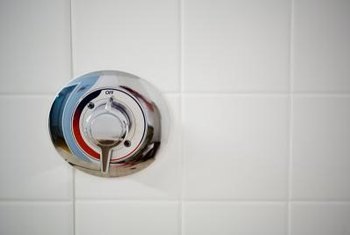
Converting to a single-mixer shower valve can be done without a major remodel of the bath.
A two-handle shower faucet is installed through two small holes in the shower wall, and a single-lever faucet requires a single larger hole in the shower wall. When replacing a two-valve faucet with a single-mixer faucet, you are left with the challenge of the two existing holes from the old faucet. You will need to repair the wall to cover the two holes from the old faucet or use a repair escutcheon plate to cover all three holes.
Turn off the water supply to the shower faucet; this may require turning off all the water to the house. Remove the handles from the dual-valve faucet. Remove the escutcheon plates from behind the faucet handles. Remove the shower head by turning it counterclockwise.
Remove the access panel on the back side of the shower behind the faucet area. If an access panel doesn't exist, open the wall on the back side of the shower by cutting the drywall with a utility knife. Open the wall directly behind the existing shower faucet. Make the hole at least 12 inches square; you can increase the size later if needed for more working space. Locate the water pipes that supply the shower faucet.
Disconnect the pipes from the two-valve faucet. If the pipes are galvanized steel, unscrew the union nuts that join the faucet and pipes. If the pipes are copper, use a copper tubing cutter to cut the pipes about 6 to 12 inches away from the faucet. If the pipes are plastic, use plastic pipe cutting snips or a hack saw. Do the same with the pipe that supplies the shower head. Remove the faucet from the wall.
Attach short pieces of new pipe, 6 to 12 inches long, to the new faucet. Use the type of pipe your new faucet requires. If it's copper, you will need to solder the pieces into the faucet. If it has threaded connections, you can use male adapters that will transition to the type of pipe you want to use -- copper; chlorinated polyvinyl chloride plastic, or CPVC; or PEX, a flexible type of plastic tubing. Some faucets will have a tub spout port. Plug this port by installing a 3- to 6-inch piece of pipe with a cap on the end.
Place a mark on the front of the shower wall where the new faucet will be centered. This location should be directly between the two existing holes of the old dual-valve faucet. Check the installation specifications that come with the faucet for the proper size of hole necessary for the new faucet to fit through the wall; it should be about a 5-inch diameter hole. Use a power drill and hole saw to drill the hole.
Place the new faucet in the hole that you drilled. Hang the new faucet securely in place by nailing supporting pieces of wood braces between the framing studs and using plumbing support straps to attach the faucet and pipes to the wood braces. Instead of wood you can use metal support braces specially manufactured to support plumbing pipes.
Attach the short pieces of pipe from the faucet to the existing hot and cold water supply pipes using couplings. If joining two types of pipe, such as steel and copper, use manufactured transition fittings designed to attach the two different types of pipe. Attach the shower head pipe to the faucet.
Install the repair escutcheon plate on the faucet if you're using one. Install the new face plate to will help hold the repair escutcheon in place. Install the faucet handle and the shower head using plumber's tape on any threaded connections. Place a small bead of latex caulk around the outer edge of the escutcheon plates to prevent water leakage.
Turn on the water to the faucet. Check for leaks in new pipe connections and tighten or repair them if necessary. Repair the shower wall if you're not using a repair escutcheon plate. Replace the wall access panel or repair the wall opening on the backside of the shower.
Things You Will Need
- Utility knife
- Phillips screwdriver
- Flat-head screwdriver
- Pipe wrench
- Hack saw
- Copper tubing cutters
- Plastic pipe cutting snips
- Torch
- Tape measure
- PEX crimping tool
- Power drill
- Hole saw
- Conversion shower faucet cover plate
- Plumber's tape
- Copper pipe
- PEX pipe
- Pipe fittings
- Solder
- Flux
- Latex caulk
- Wood boards for bracing
- Manufactured plumbing support braces
- Steel to copper transition fittings
Tip
- If attaching copper pipes to the new faucet by soldering, first remove the plastic cartridge from the new faucet to prevent damaging it by excessive heat.
Warning
- Be sure to wear protective eyewear and gloves while working.


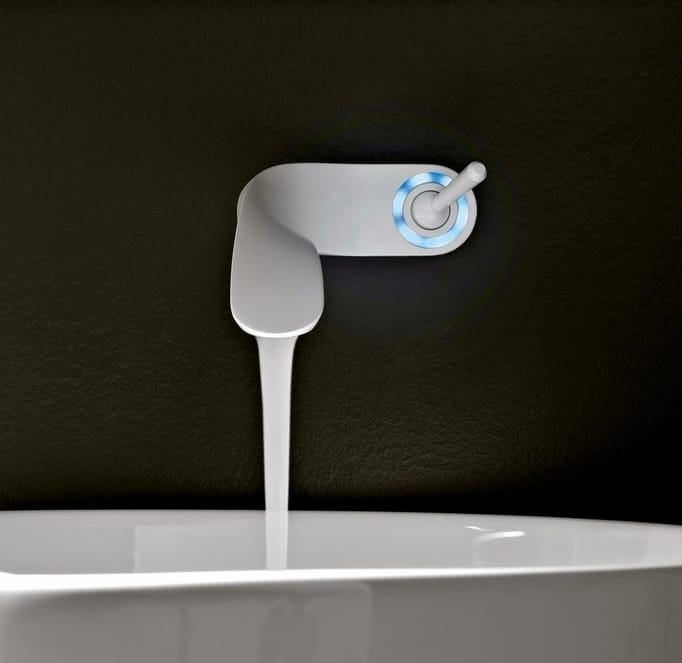
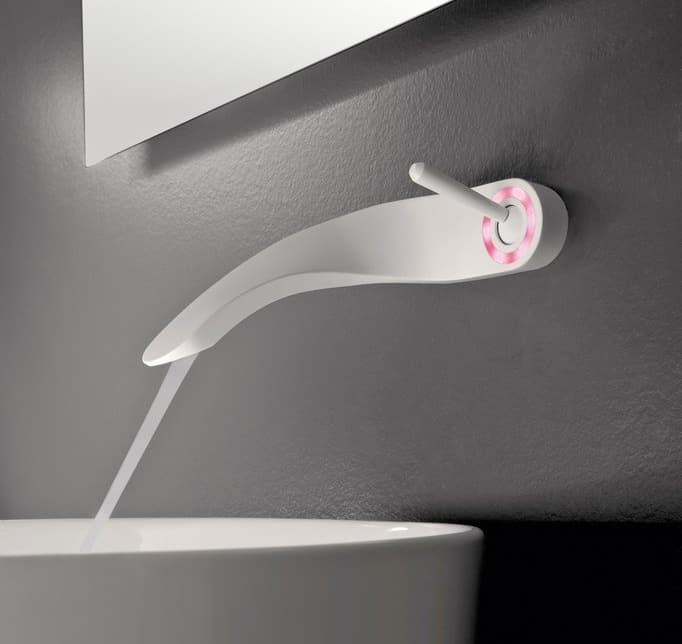
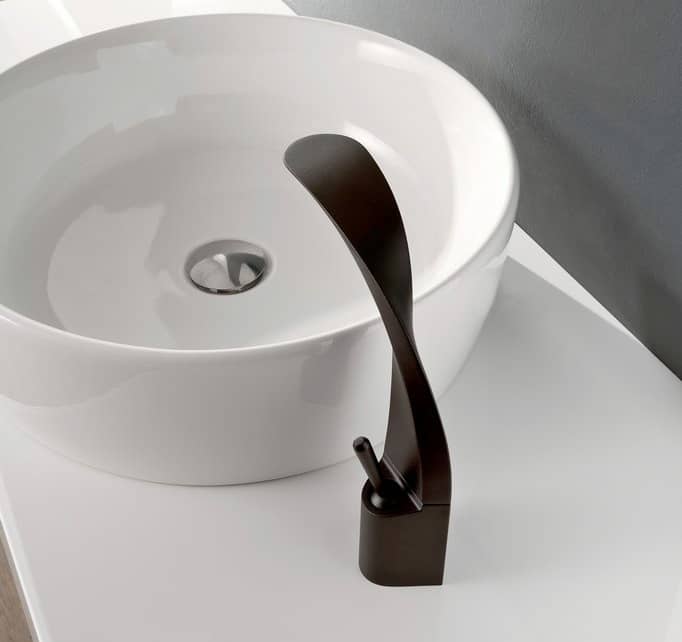
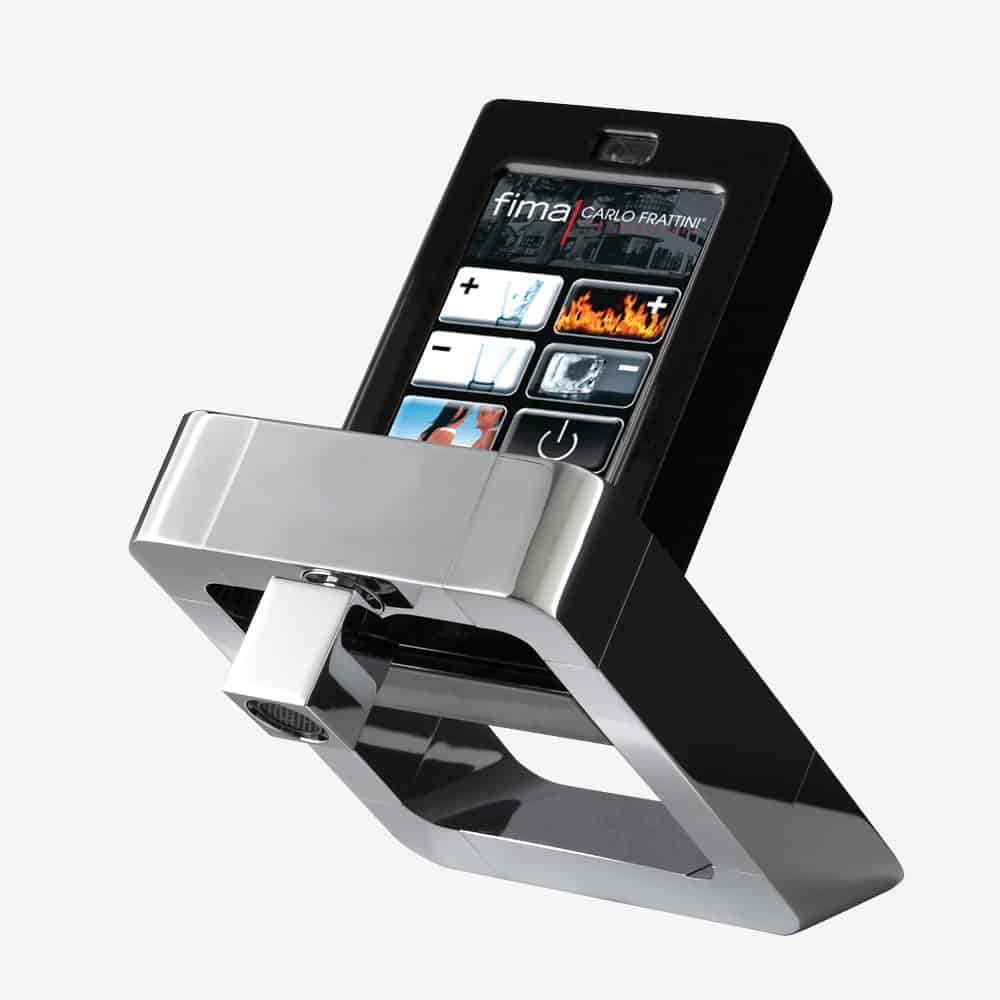
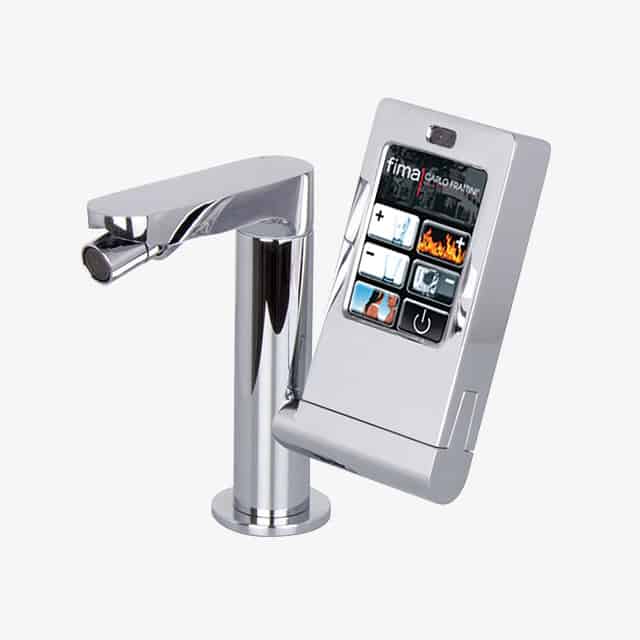
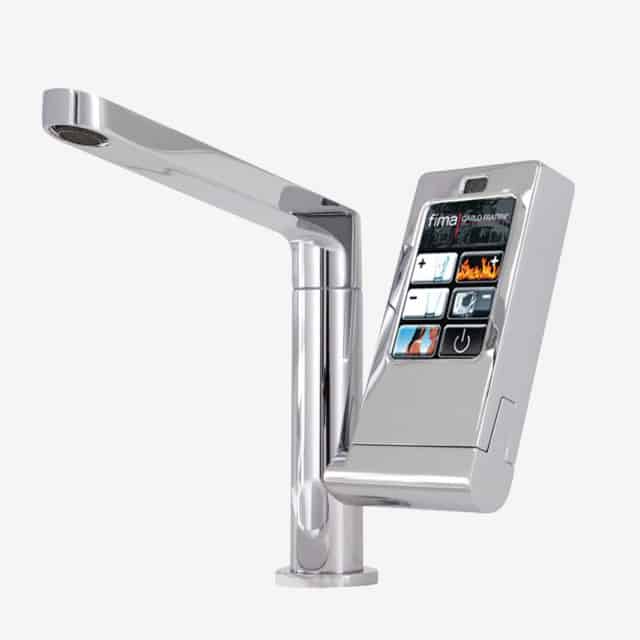
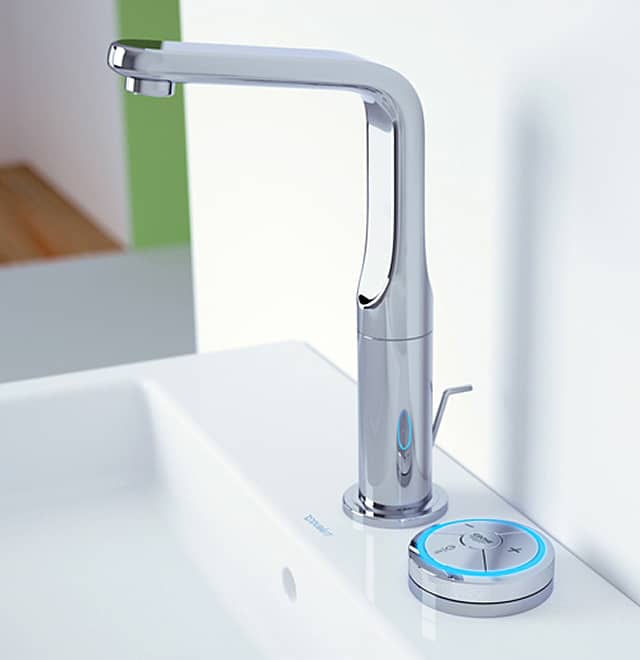
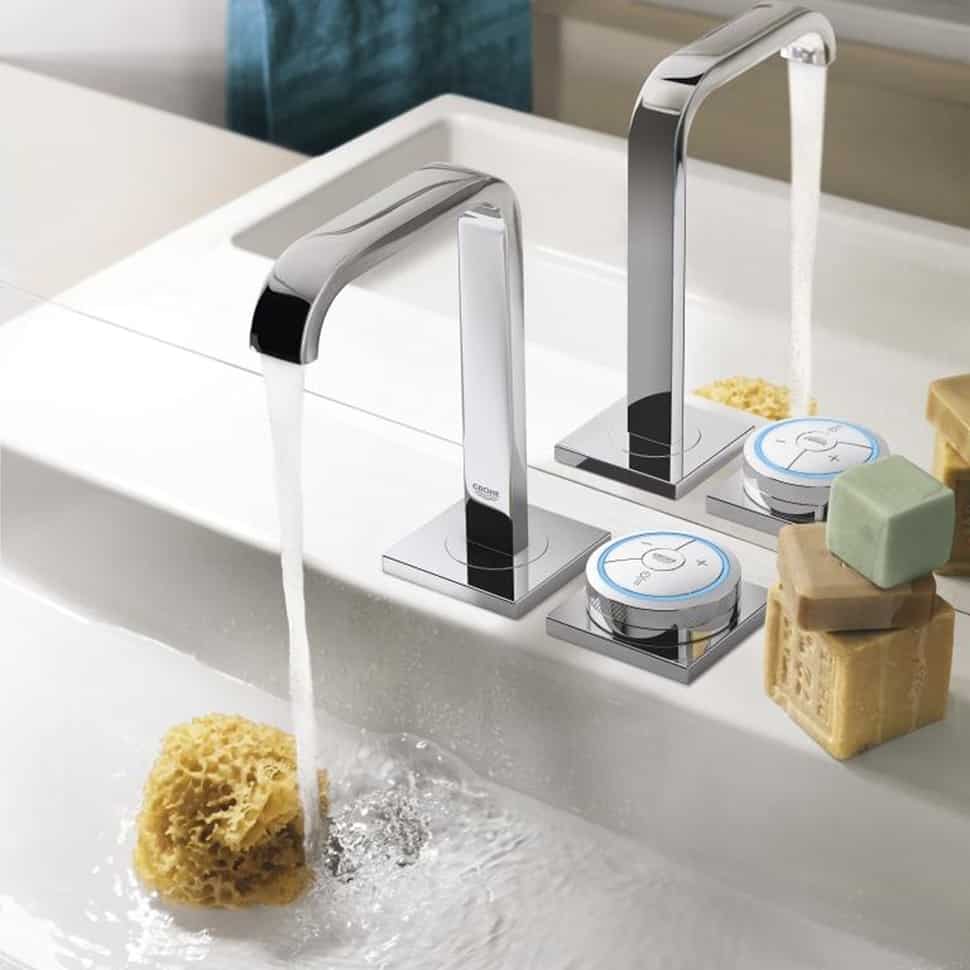
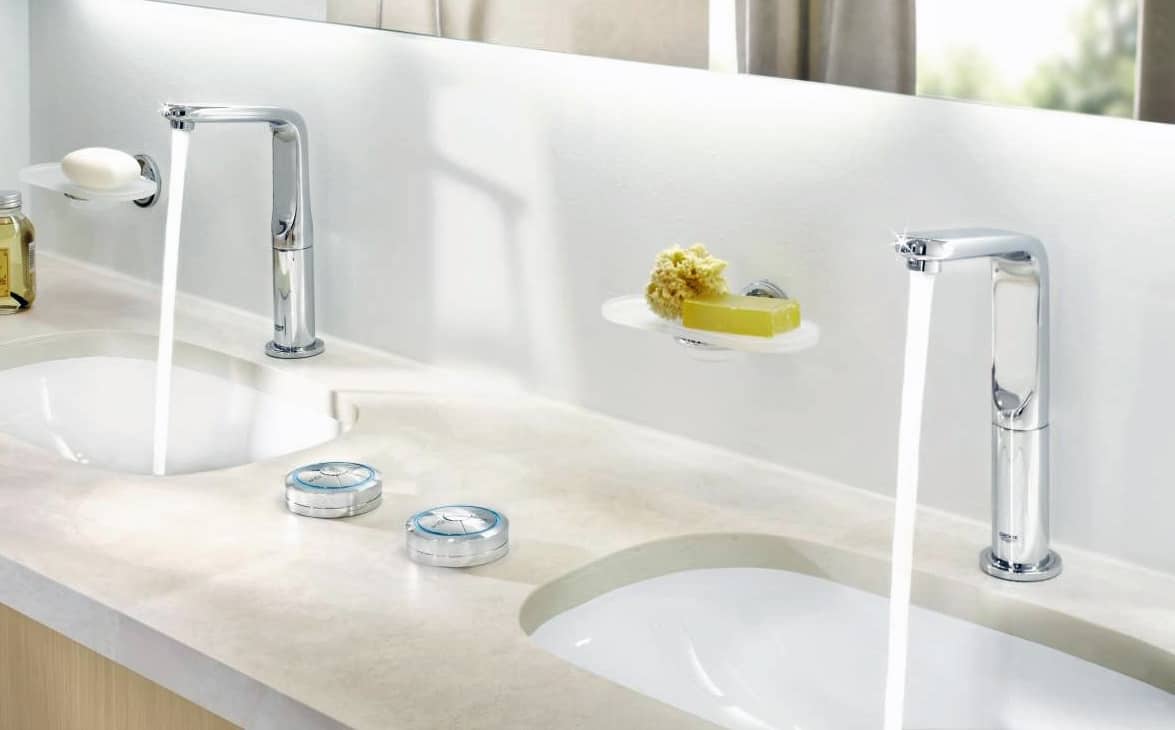
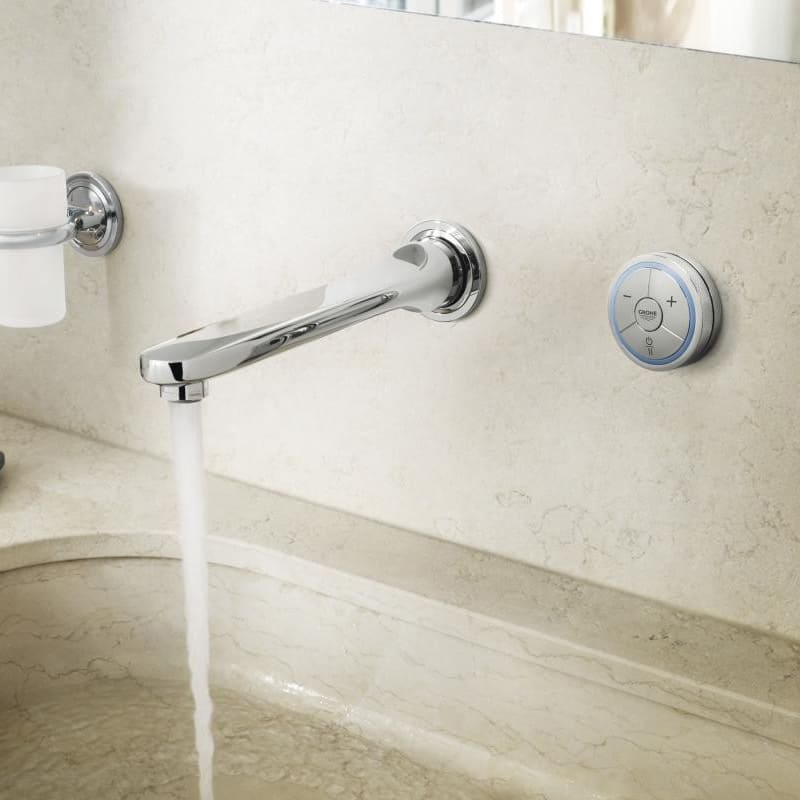
 The design of the mixers Any mixer is composed of
  Different mechanisms of mixing water Depending on the design of the mixer may vary and the mechanism of mixing water in it. Should there be any doubt that this factor will significantly influence your comfort and his life Kran-buksa The
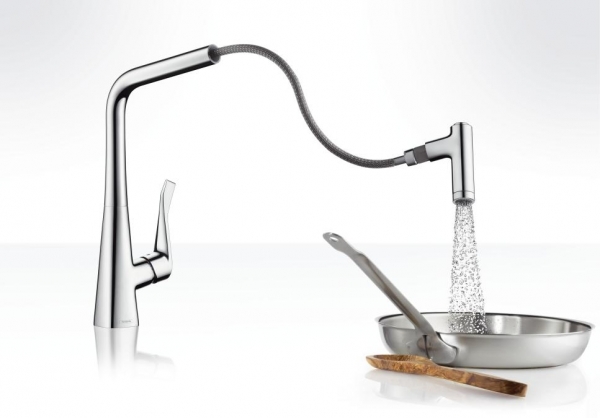
 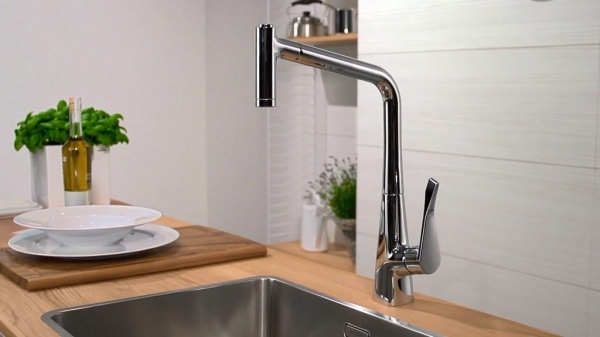 For kitchen sinks In the kitchen are commonly used built-in mixers. Their main difference from the models for bathroom is the shape and size of the spout. For most kitchen faucets are characterized by long, swivel spout, allowing you to wash even large pots. The higher spout, the stronger the water pressure, however, and the likelihood that it would be in a spray, which means you’ll need a sink with a deep bowl. Choose a sink and faucet for the kitchen at the same time it is desirable that their dimensions match each other.
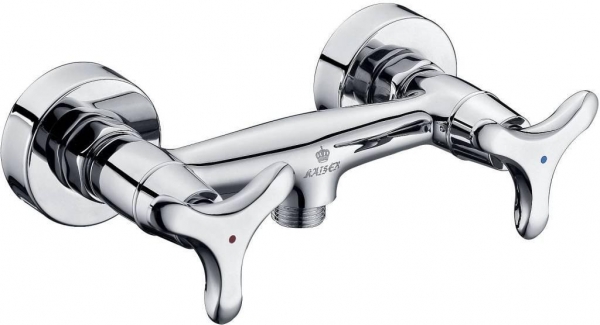 Bath First of all, we should note that the bathtub faucets can be combined with a shower. Shower faucets are compact and do not have switch shower-bath and the spout, since the water is immediately fed to shower heads.
 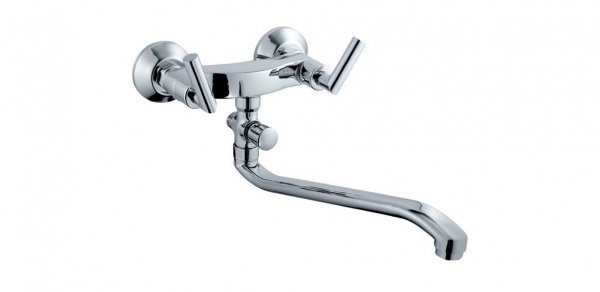 Bathtub faucets with shower — the most common and versatile option. They are usually equipped with low spout and can be either fixed or swivel (suitable if one mixer is used for baths and sinks). In addition, the kit usually comes with a
 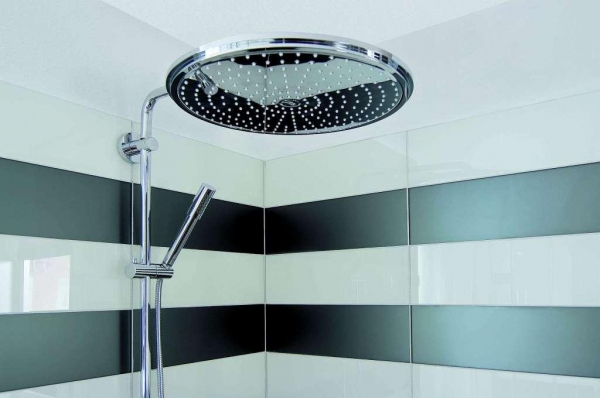 For shower rack The reception is a bar with multiple shower heads and allows you to combine the functions of a bath and a shower stall. The top rack is stationary watering can, allowing you to change the mode of water flow and provide a massaging and relaxing effect. In addition to the upper lake on the rack is usually attached shower with flexible hose. The alternative is a wall panel lake of arbitrary shape, directing water on you in the form of small rain drops with massage effect, so, it was called “tropical storm”.
 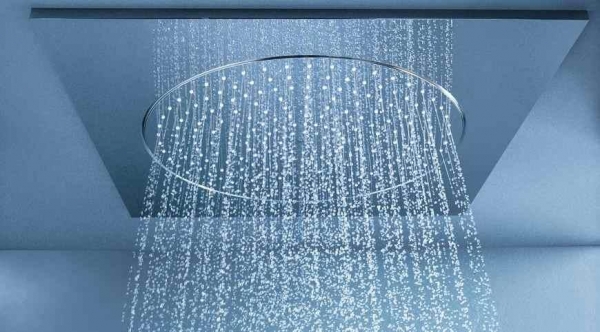 Ceiling shower Ceiling shower is used to create the effect of home spa, which provides various modes of water supply from tight massage jets, relaxing rain. The size of the ceiling of the heads ranges from 15 to 50 cm in diameter and unusual. This is a great option for relaxation, but a regular shower with a flexible hose for domestic use you still need.
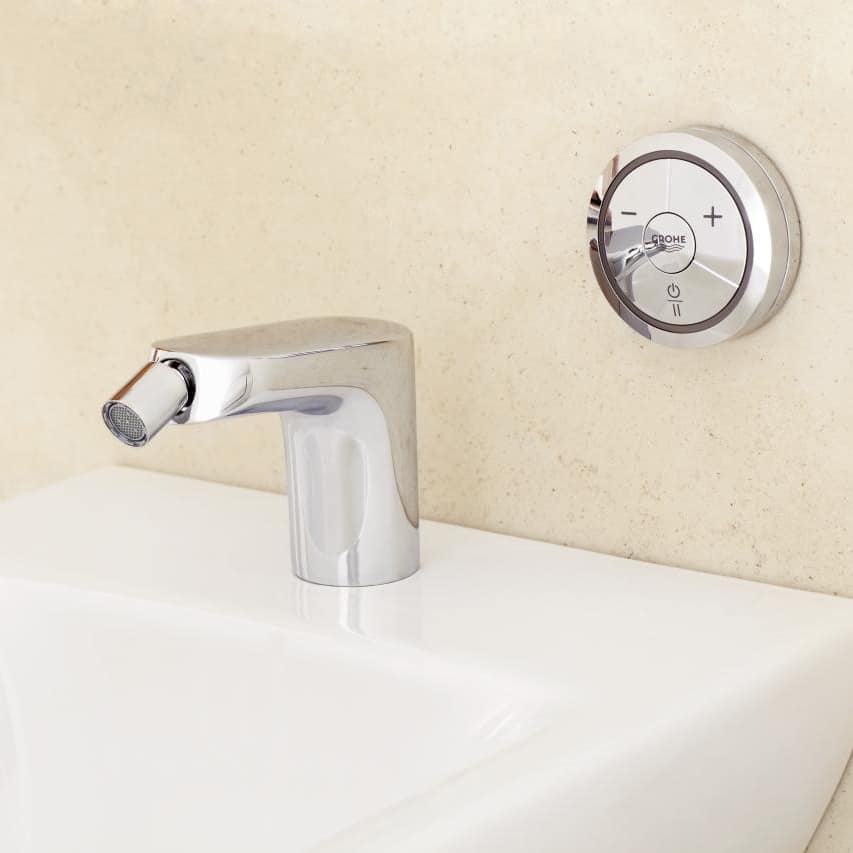
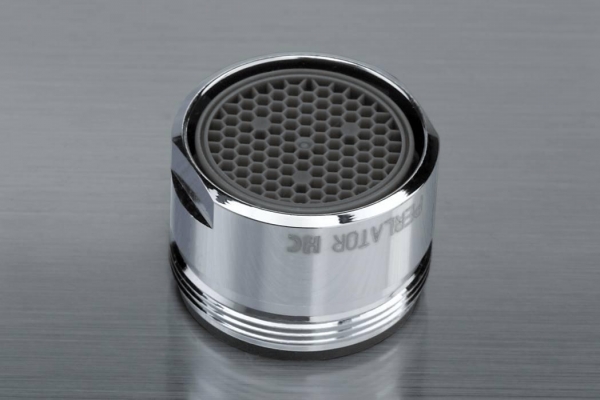
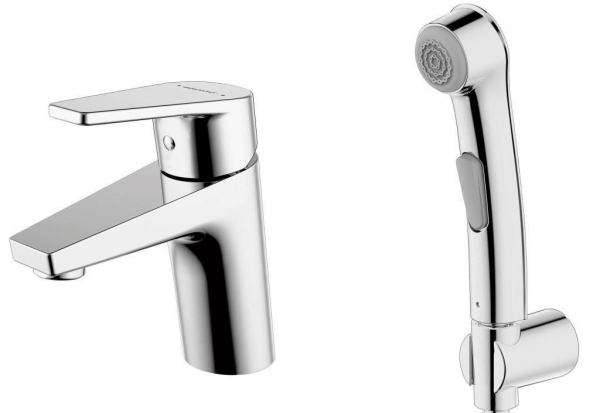
 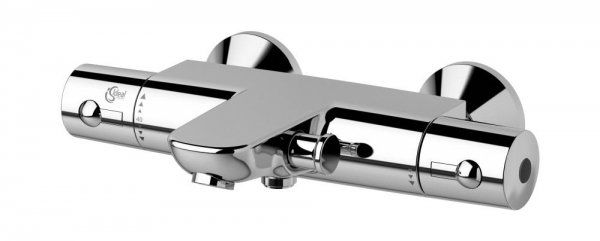 Bidet There are various options of mixers for bidets. You can choose a universal model, similar to the conventional mixer, however, is equipped with aerator that allows you to change the direction of the jet. In addition to bidet will fit faucets with hose for hygienic shower and faucets with a spout for
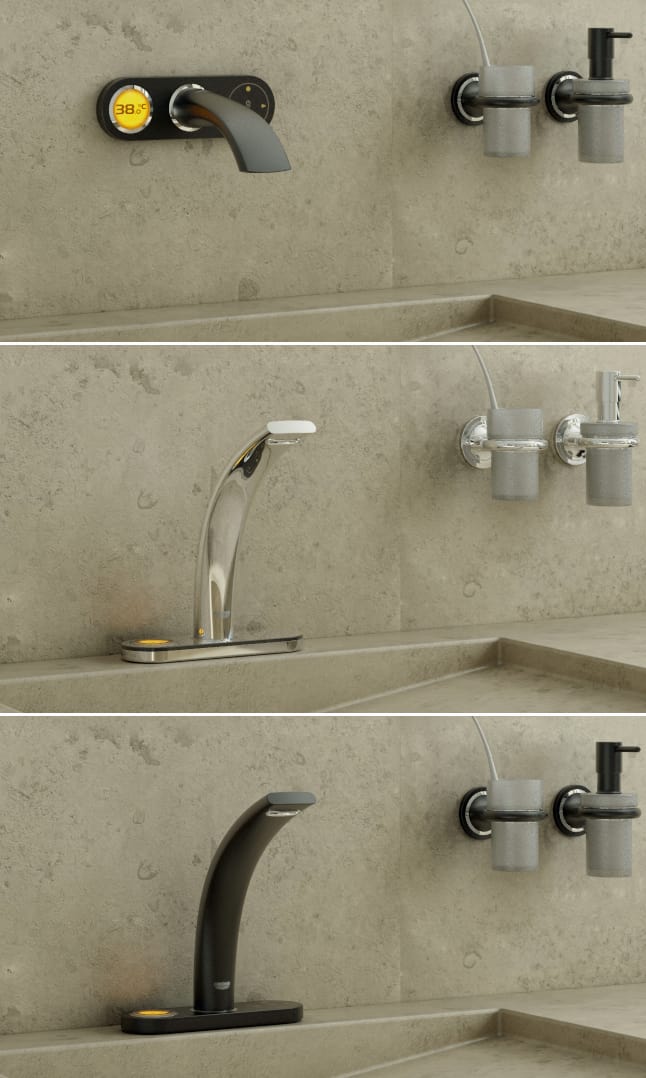
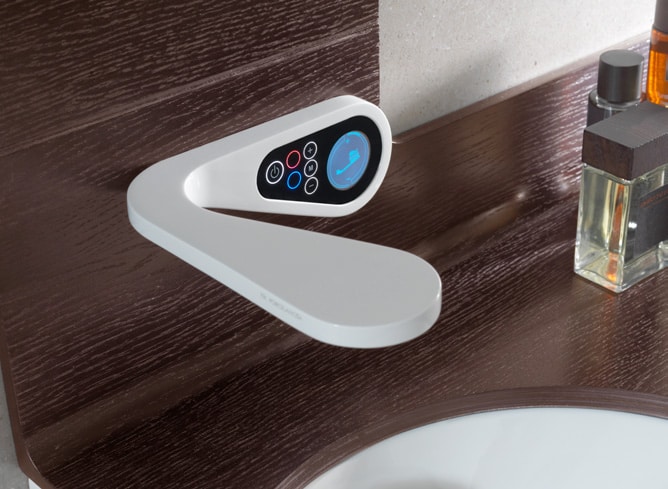
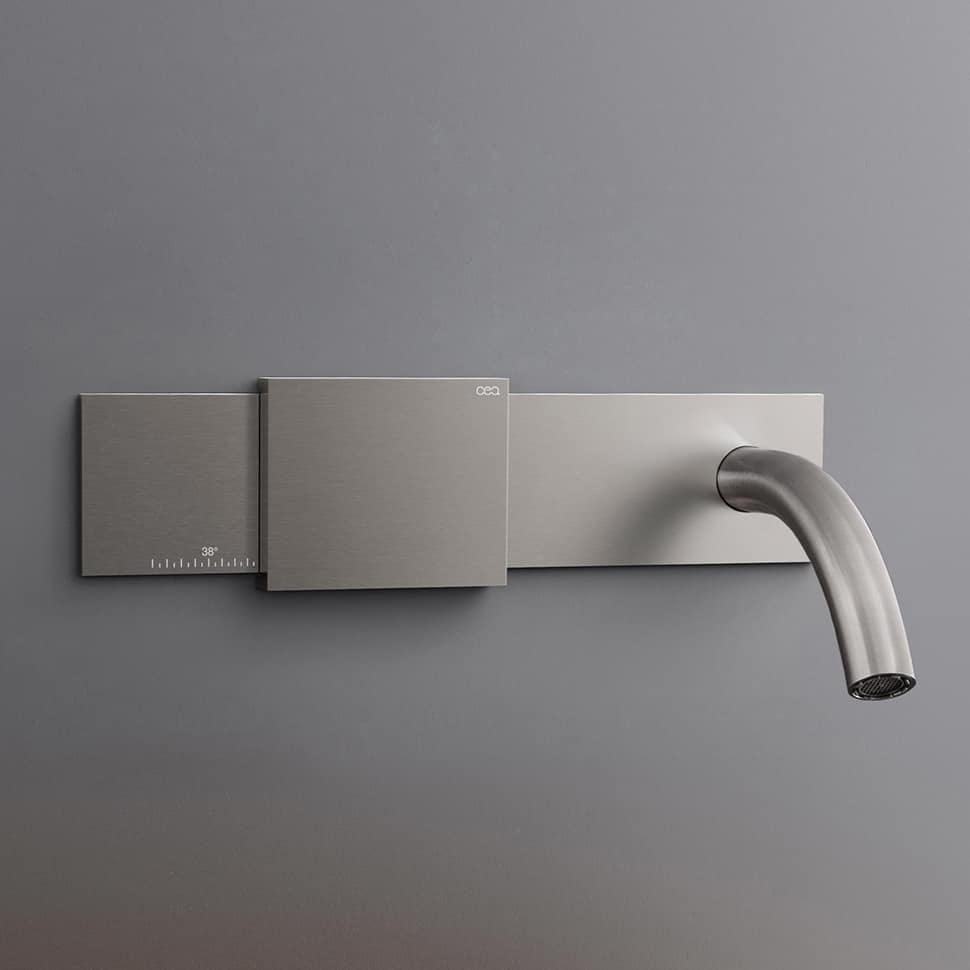
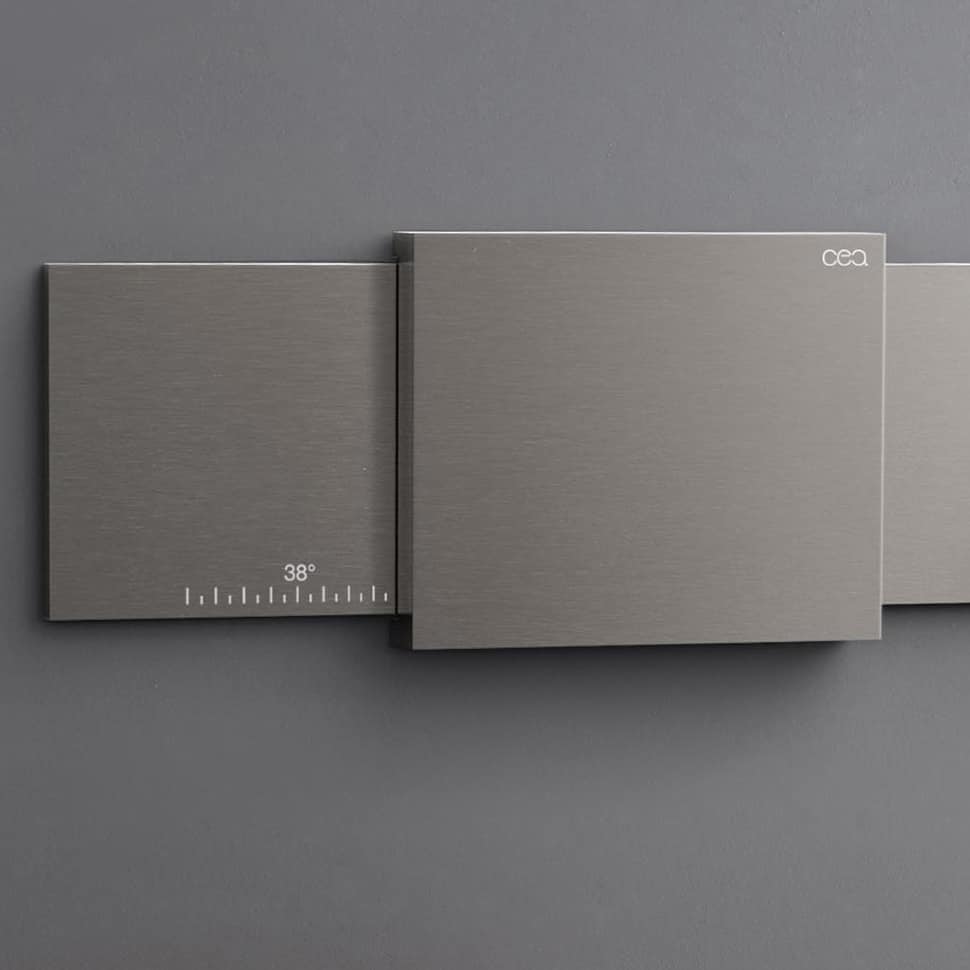
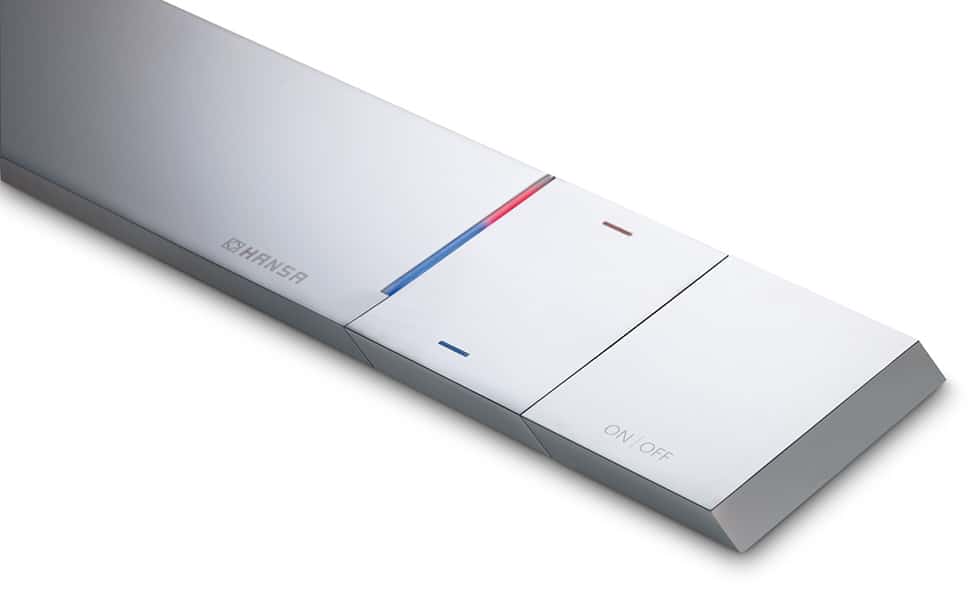
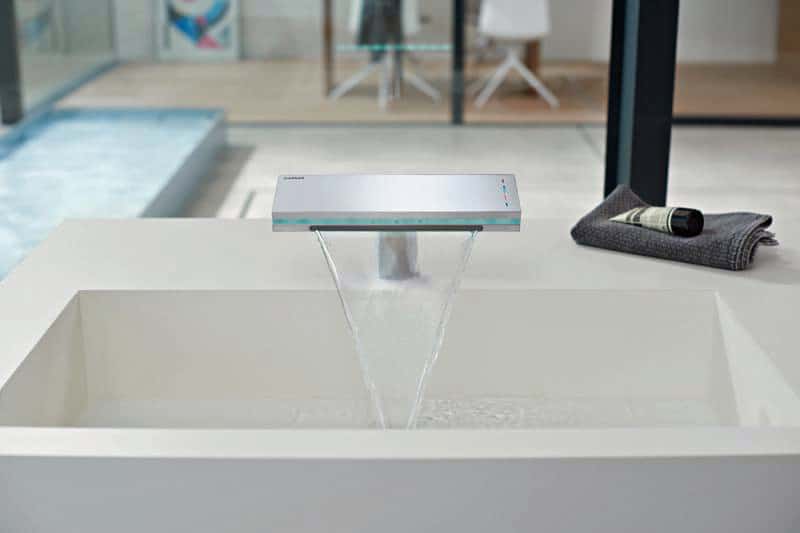
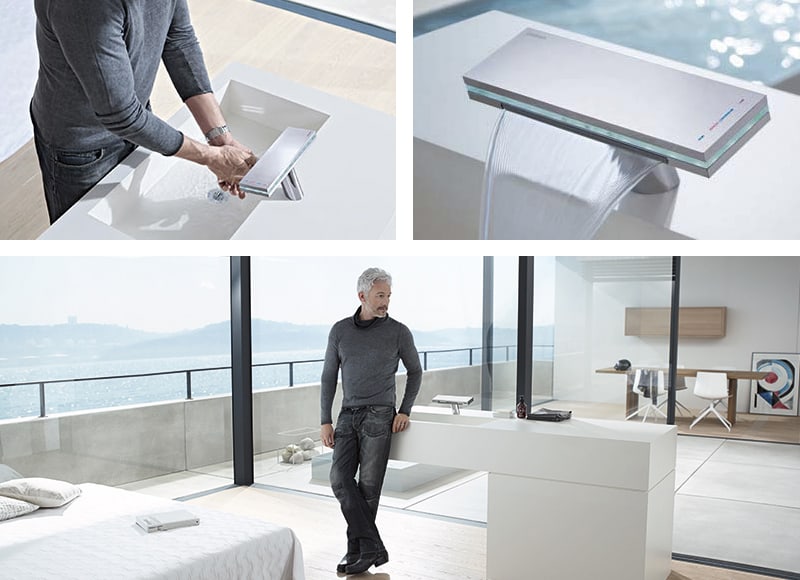
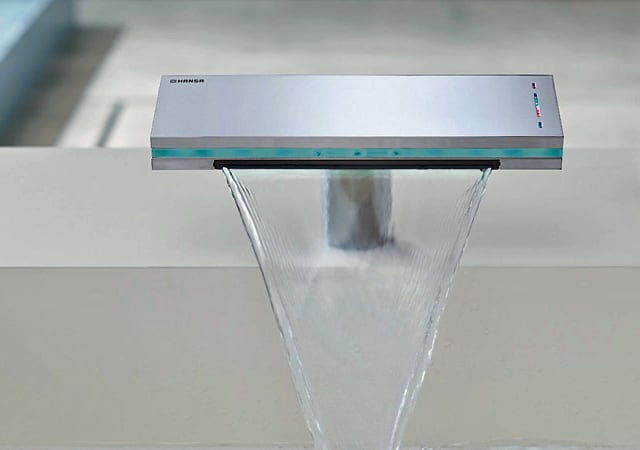
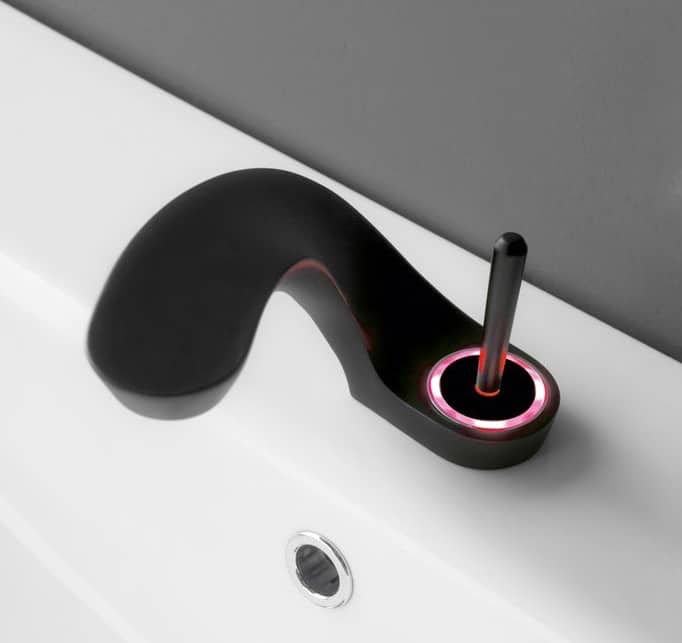
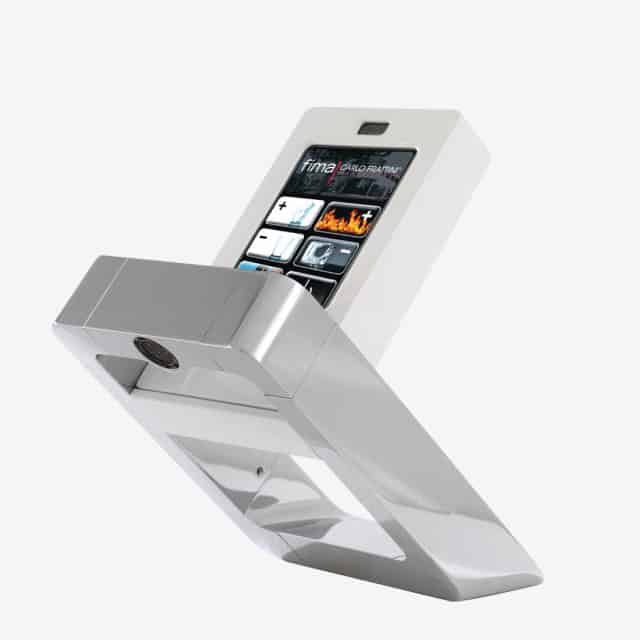
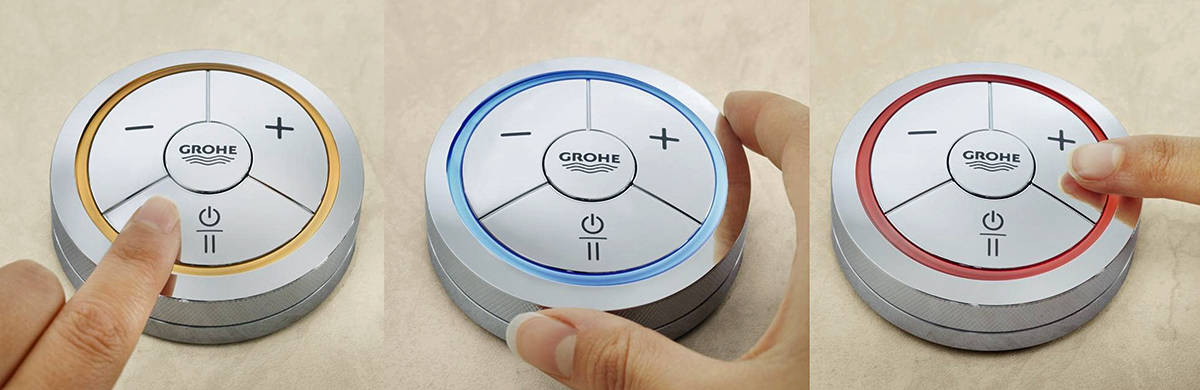
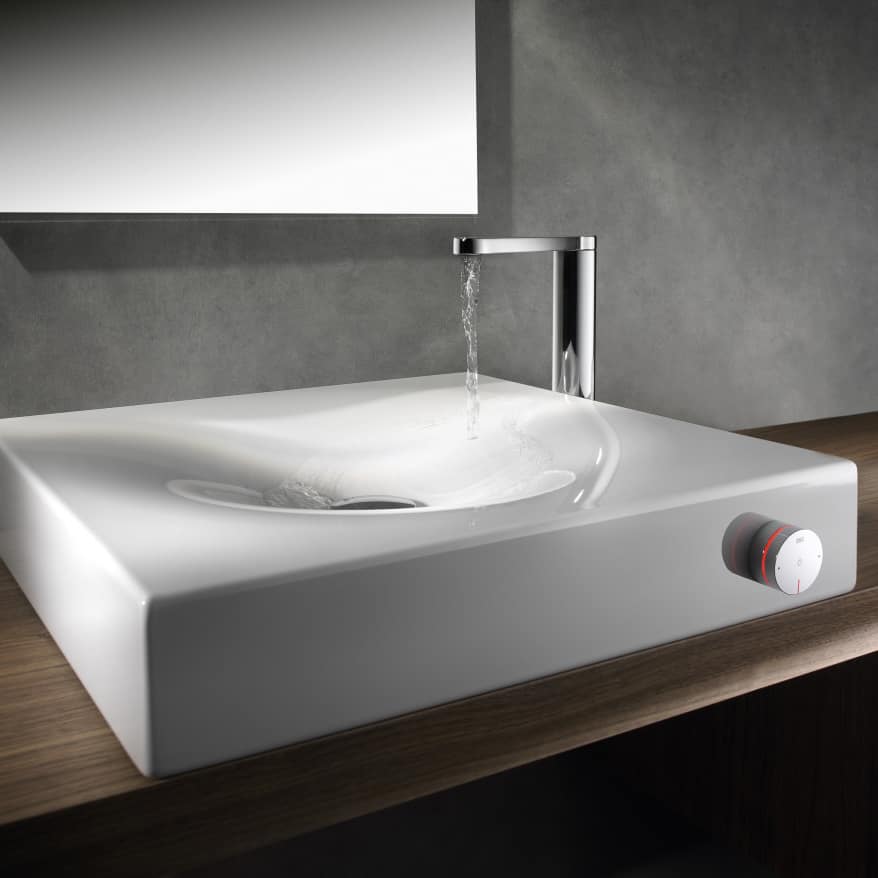
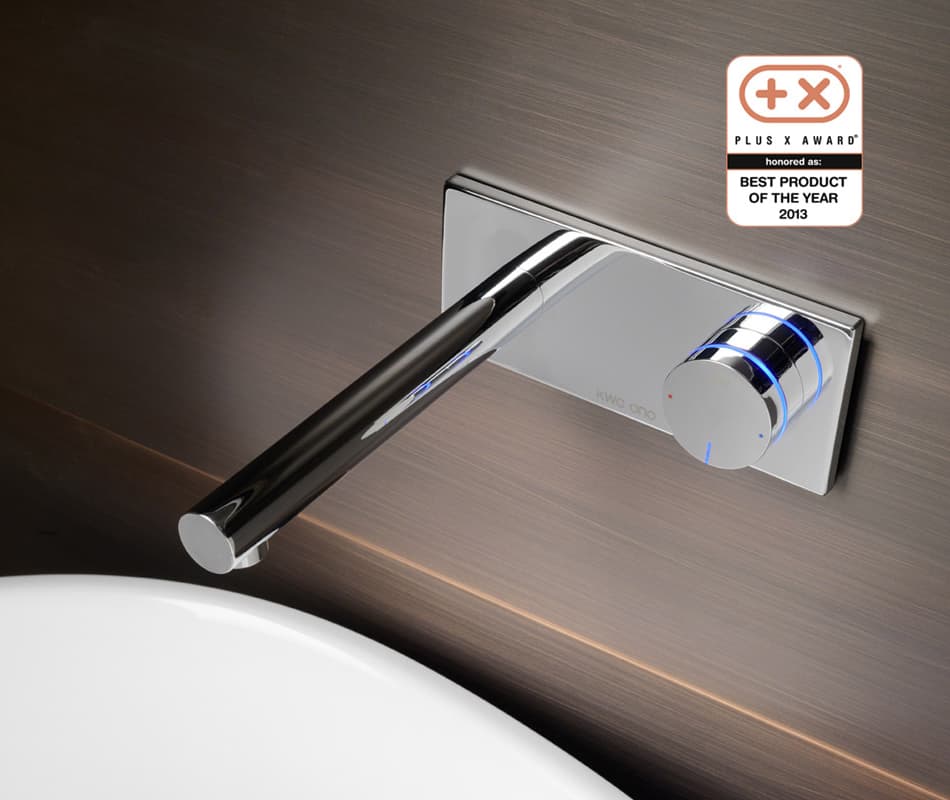
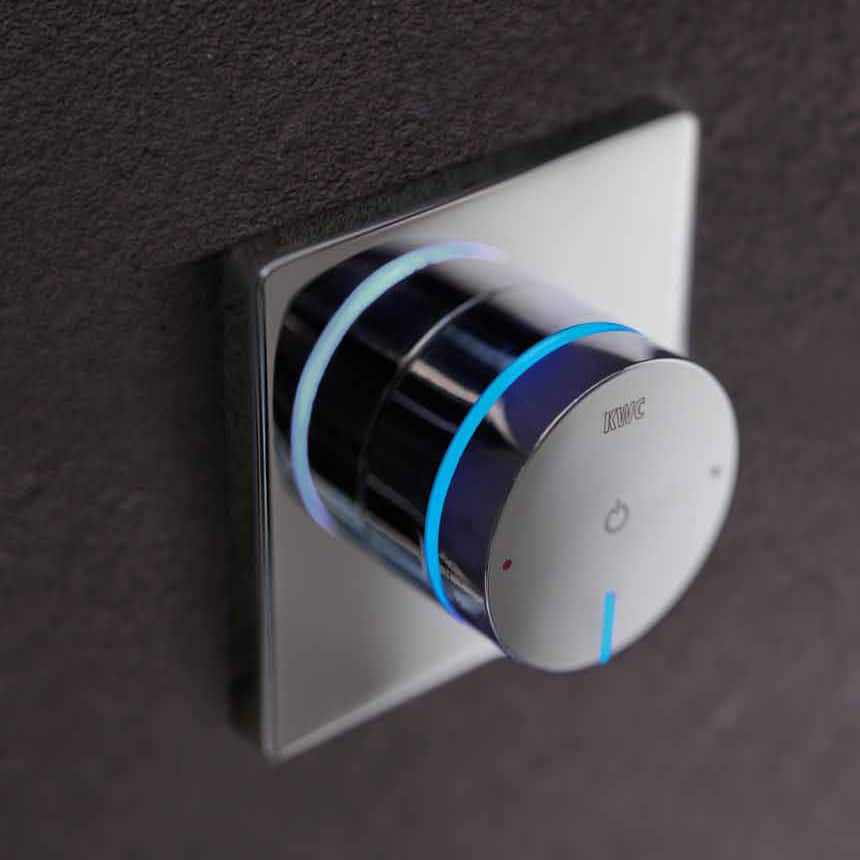
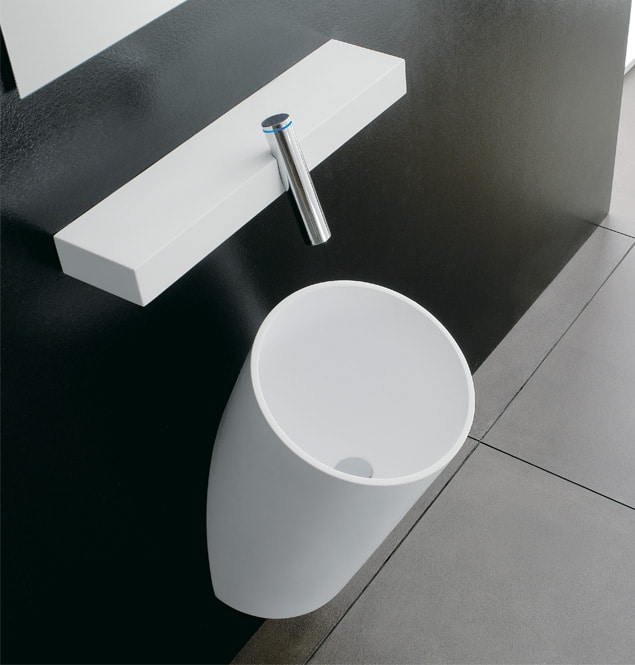
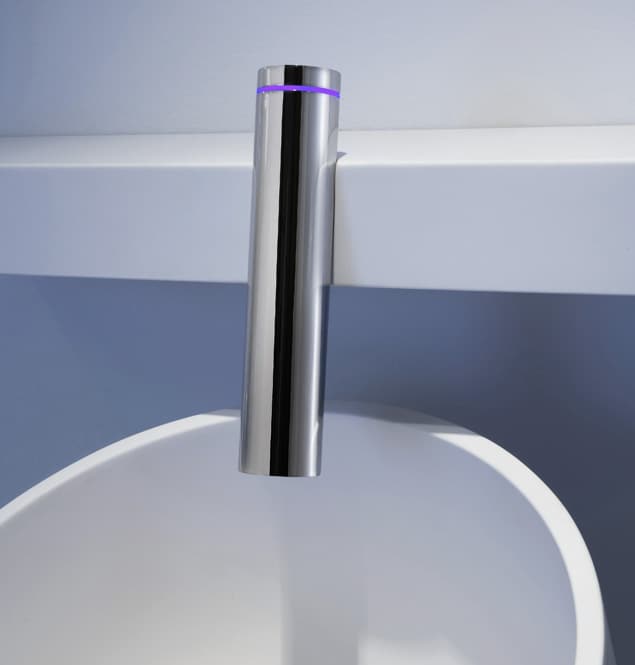
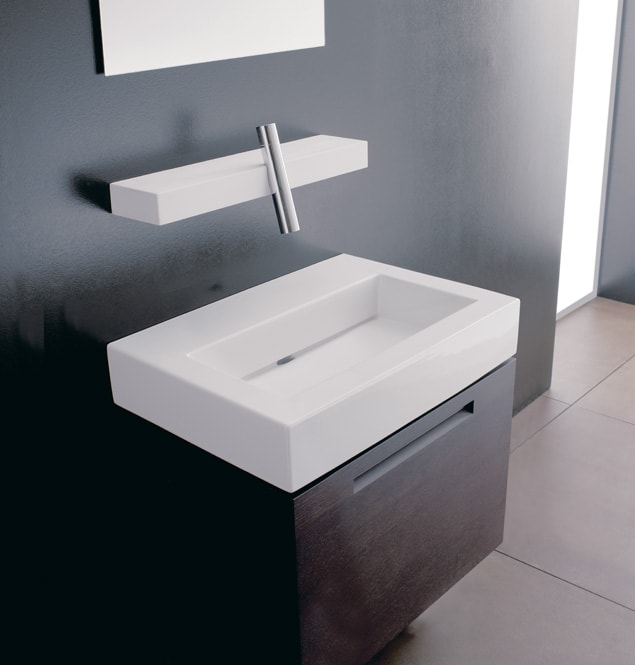
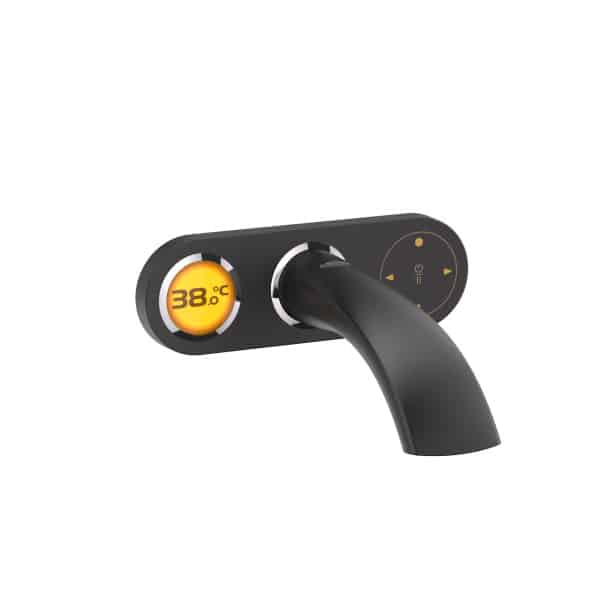
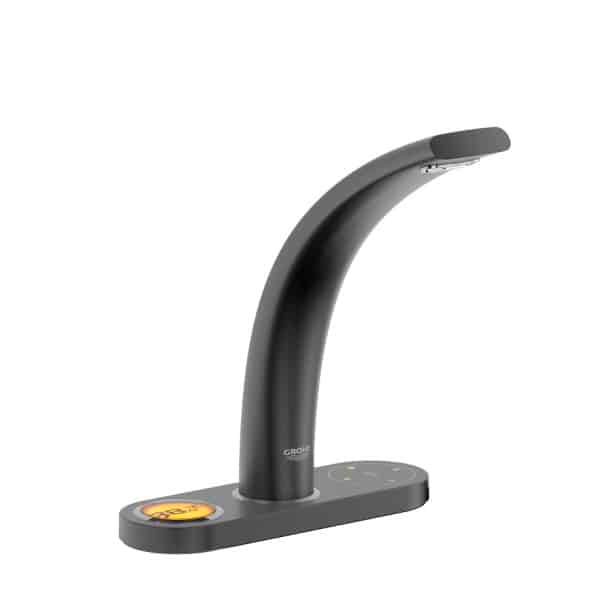
  Faucets with touch controls Touch mixer has levers and valves and consists only of a crane. It is equipped with a photocell that respond to movement in a zone of about 30 cm using the special lever you set the optimal temperature of the water, which will be switched on and off automatically. Touch mixer will save you from worrying about whether you turned off the faucet and does not burn the children. On the other hand, it is not suitable for the kitchen or for a set of baths, as there need each time different temperature. Basically touch faucets used in public restrooms to save water and hygiene. Cascading mixers Cascading mixers differ from the ordinary form of a spout, from which water flows a broad stream, resembling a waterfall. Their advantages are a stylish and original appearance, durability and the ability to separate installation when the crane is located at one end of the bath, and the controls in another, and the main drawback — relatively high cost. Faucets with suction shower for hairdressers For beauty salons for the convenience of the client and the master used special types of mixers with long pull-out shower. As a rule, they are single lever and is also equipped with an aerator to reduce splashing and ensure a softer stream of water even under strong pressure. Surgical faucets The main difference between surgical mixers — long handle that allows you to turn on and off the water with your elbow, not touching your hands to the mixer, which is caused by increased hygienic requirements. Such mixers can be installed at home, such as in the kitchen and for people with disabilities. Modern faucet is not just a utilitarian device, and the interior decoration, possible to ease your household chores and get pleasure from the water treatments. On the website santechsystemy.ru you can find truly wide selection of faucets for any type of premises, preferences and financial possibilities. You should go and see it for yourself!